Cards and hands

A set is three of a kind made with a pocket pair and one board card. For example, you hold 77 and the flop brings 7. If the pair is on the board and the third card is yours, those three of a kind are called trips.
Set versus trips
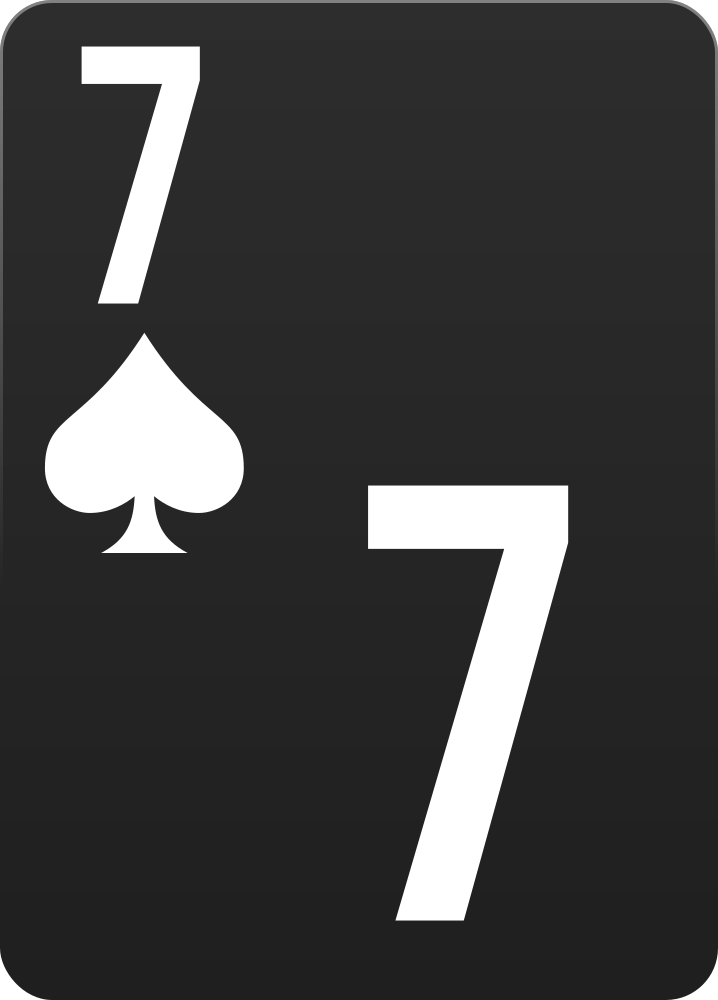
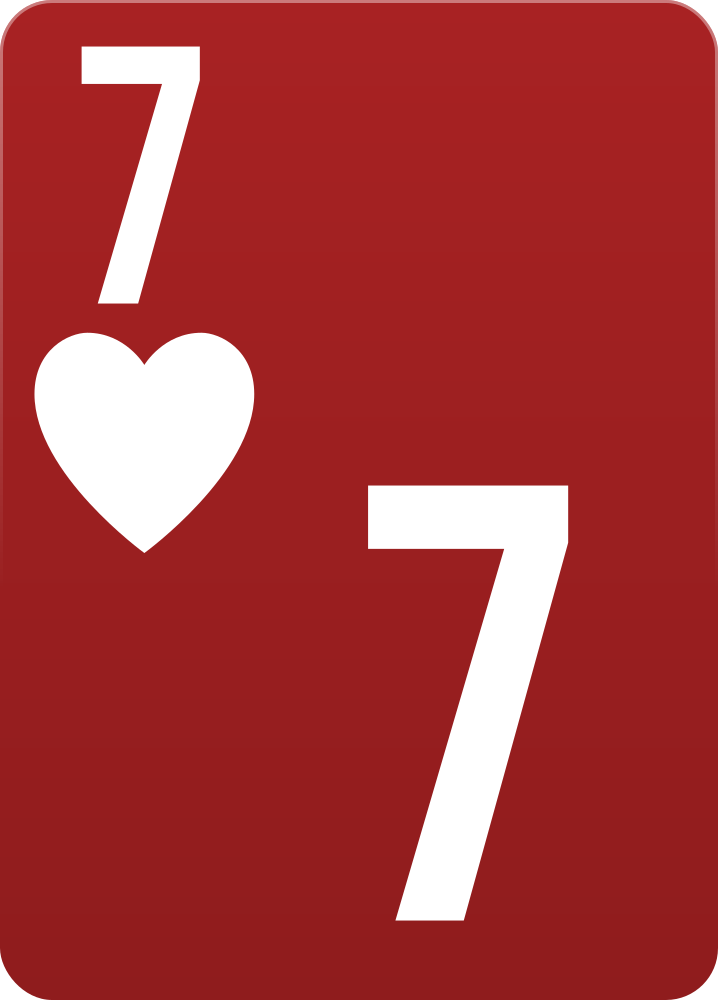
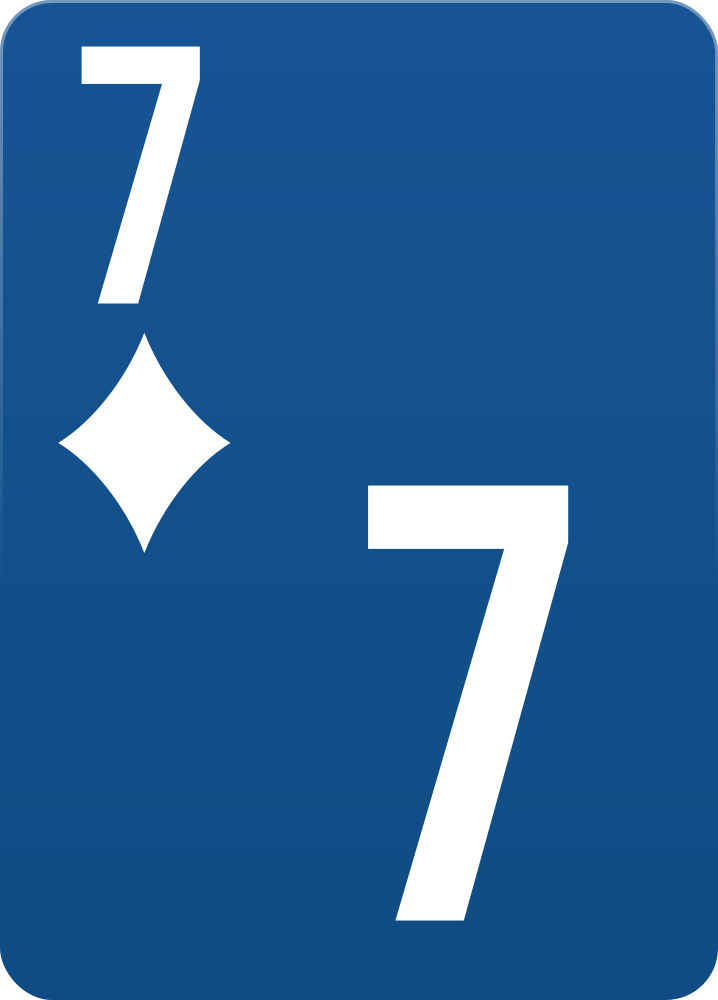
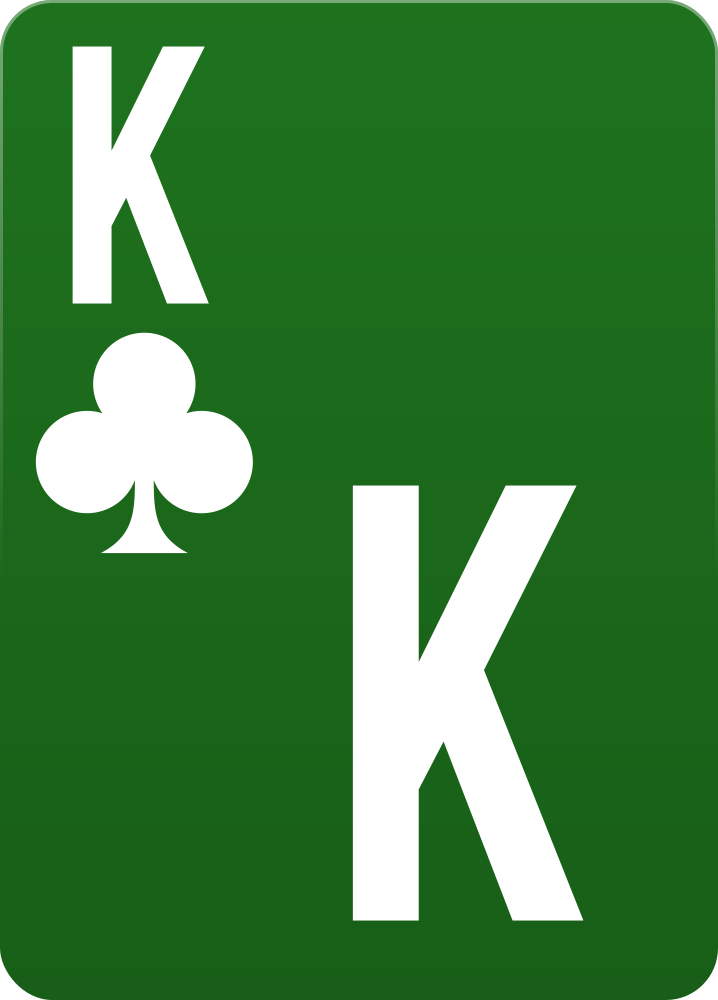
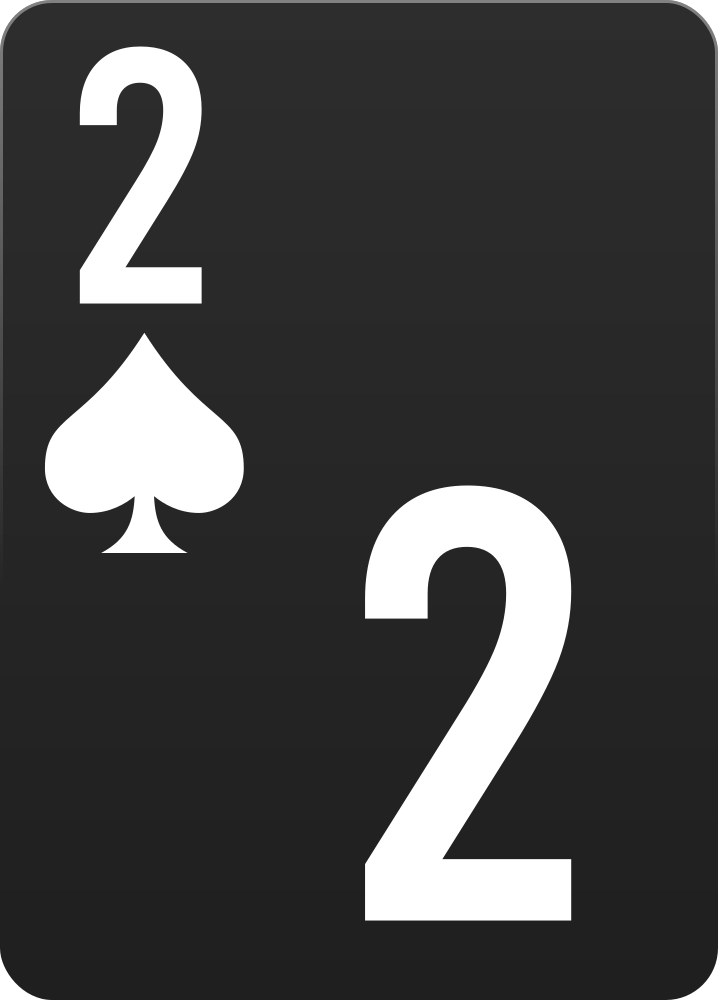
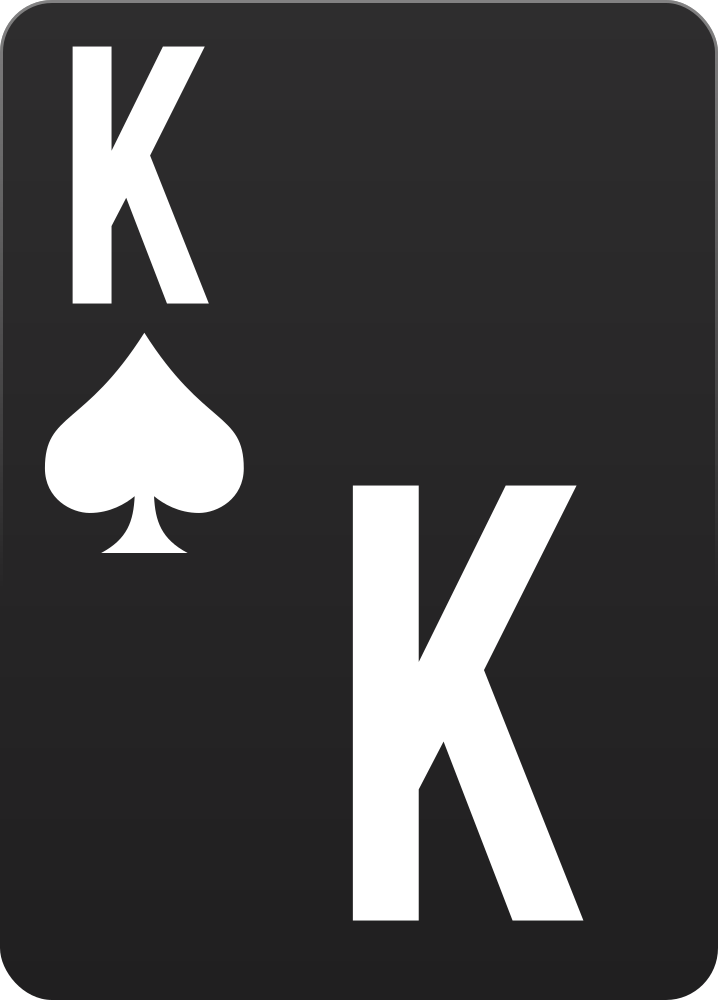
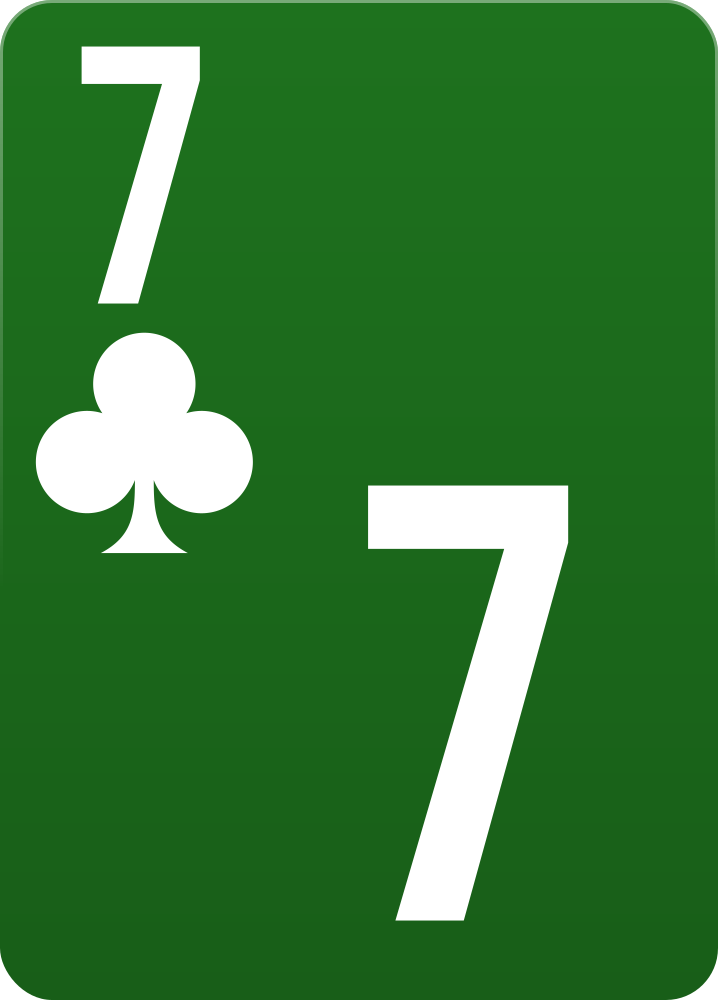
Both are the same hand, three of a kind. The difference is how well it is hidden: a set is almost impossible to read, while trips show on the paired board, and an opponent may hold the same trips with a better kicker.
How often you make a set
| Situation | Chance |
|---|---|
| A pocket pair flops a set or better | ≈ 11.8%, about 1 in 8.5 |
| A pocket pair makes a set or better by the river | ≈ 19.2% |
Hence set mining: calling preflop with a small pair pays off only if a set can win a big pot. A rough guide is stacks at least 15–20 times your call.
Set over set
Sometimes two players flop sets: 99 against 44 on 942. The higher set wins and the lower one usually loses the whole stack. It is rare in Hold’em and far more common in Omaha.
How to play a set
- A set is very strong but not always the nuts: watch for three cards of one suit or a connected board.
- On a draw-heavy board bet big right away so opponents pay to chase.
- On a dry board you can let an opponent catch a pair to grow the pot.
FAQ
Three of a kind made with a pocket pair and one board card.
Related terms
NutsThe best possible hand on the current board.KickerThe highest card outside the hand, which decides between equal hands.OutsCards left in the deck that improve your hand to a winner.LimpEntering the pot preflop by just calling the big blind instead of raising.
Every poker term in one place
From check to satellite: short definitions and detailed explanations with card examples.