Bets and actions

A limp is entering the pot preflop by simply calling the big blind instead of raising. Calling first in is an open limp; calling after another limper is an over-limp.
Why limping is considered weak
A raise gives you two ways to win: opponents may fold at once, and if they call you continue with the initiative. A limp gives up both: the big blind sees a free flop, and anyone behind can raise you out of the hand.
| Limp | Raise | |
|---|---|---|
| Chance to win the pot right away | No | Yes, if everyone folds |
| Initiative after the flop | With whoever raised | Yours |
| Players who see the flop | Usually many | Usually one or two |
| Risk of a raise behind you | High | Lower |
When limping makes sense
- Small blind versus big blind when everyone else folded: completing half a blind is cheap.
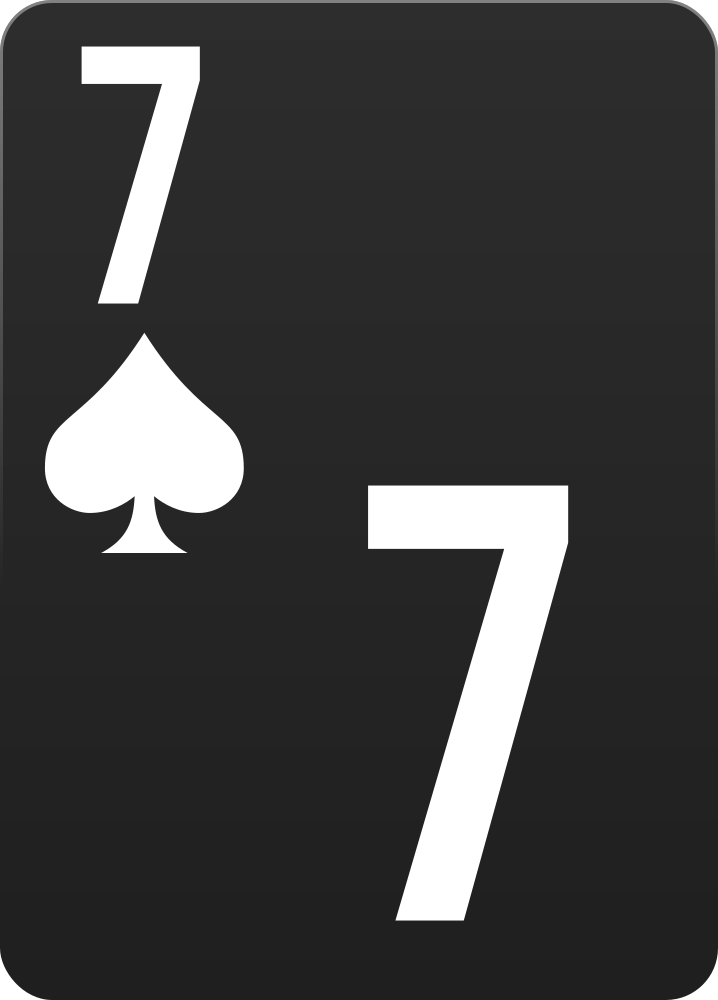
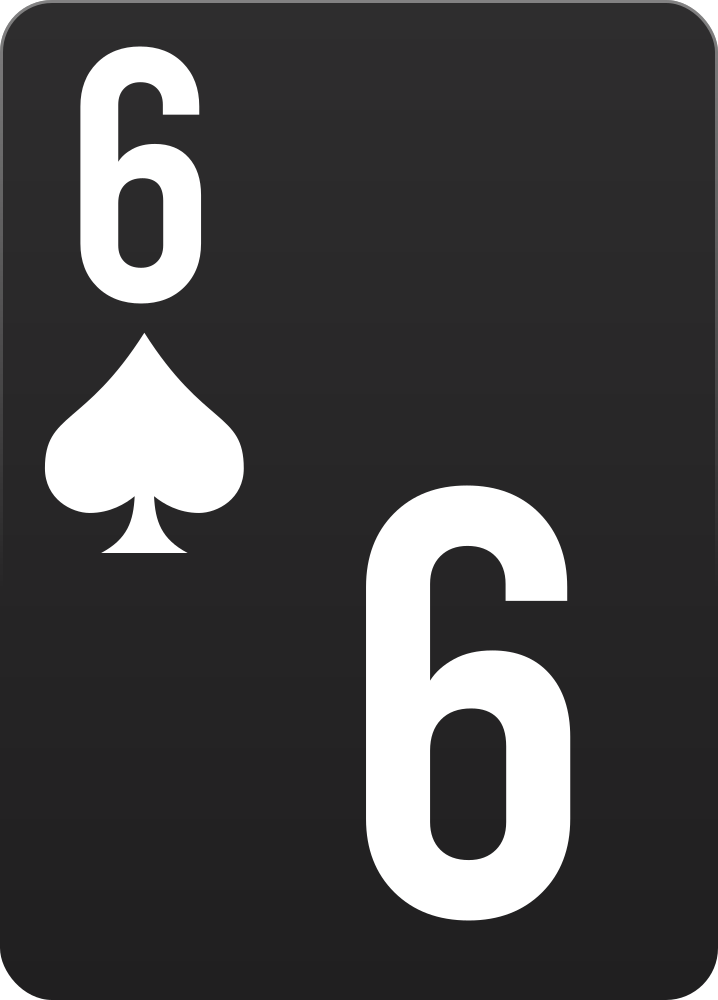
- Over-limping speculative hands like 65 or small pairs after several limpers: the pot is big and the hand can make a set or a straight.
- Limp-raise — a trap with a very strong hand: limp, wait for a raise, then re-raise. It works rarely and experienced players spot it.
Limping in Omaha
There is more limping in Pot-Limit Omaha than in Hold’em: hands run closer in strength and many players want a cheap flop. The rule still holds: if a hand is worth playing, it is usually worth raising.
FAQ
Calling the big blind preflop instead of raising.
Related terms
BlindsThe small and big blind: forced bets posted before the cards are dealt.StraddleA voluntary blind bet, usually two big blinds, posted before the deal.OutsCards left in the deck that improve your hand to a winner.SetThree of a kind made with a pocket pair and one board card.
Every poker term in one place
From check to satellite: short definitions and detailed explanations with card examples.