Cards and hands

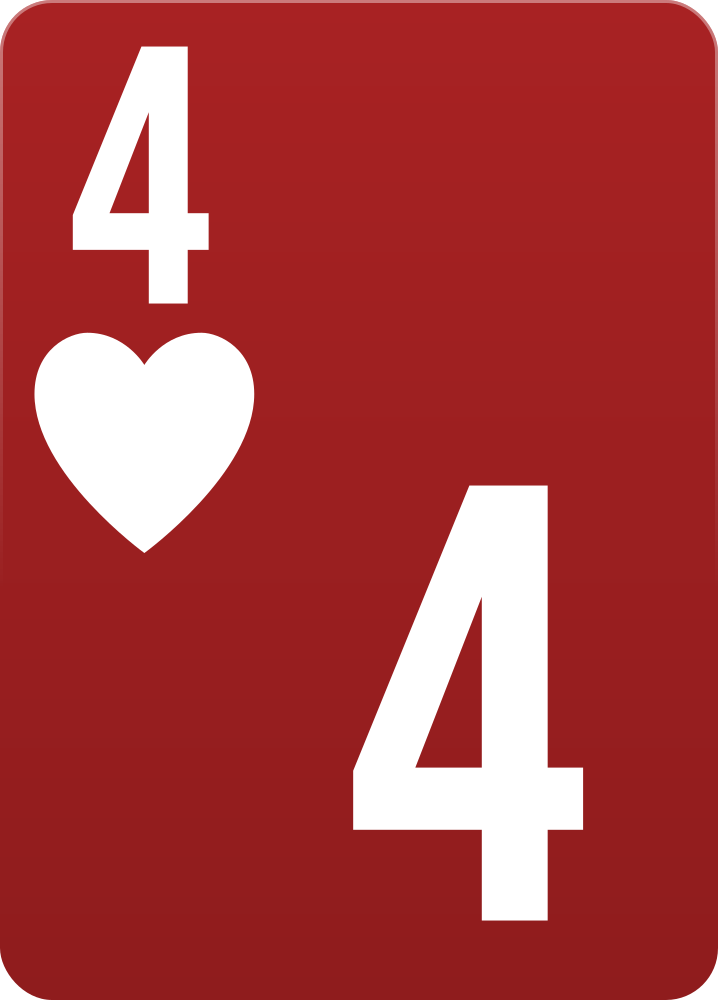

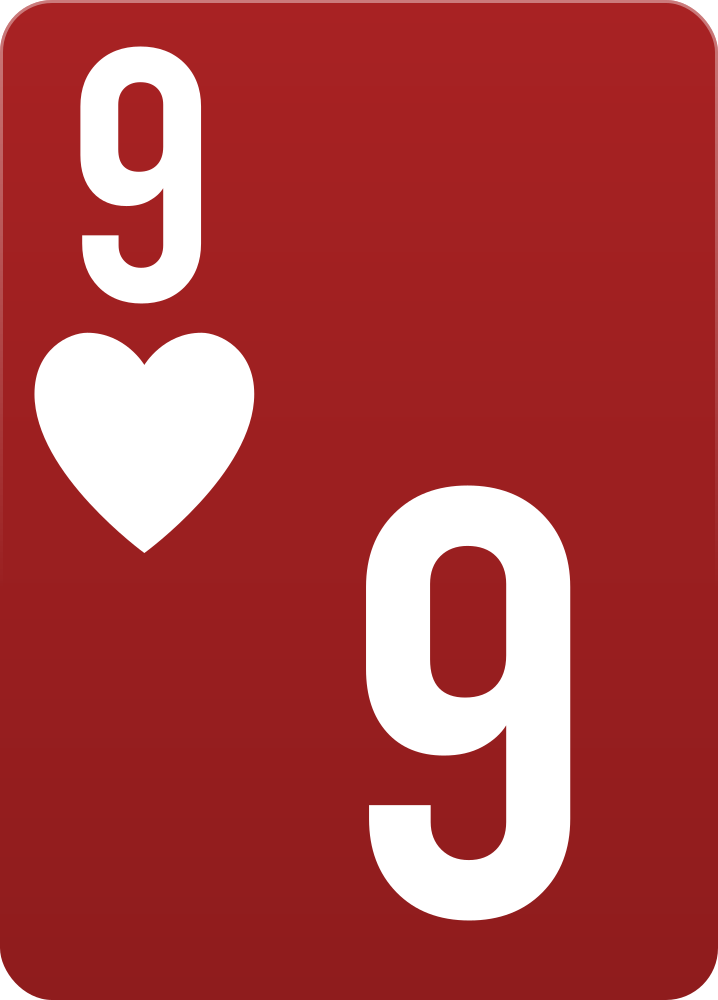
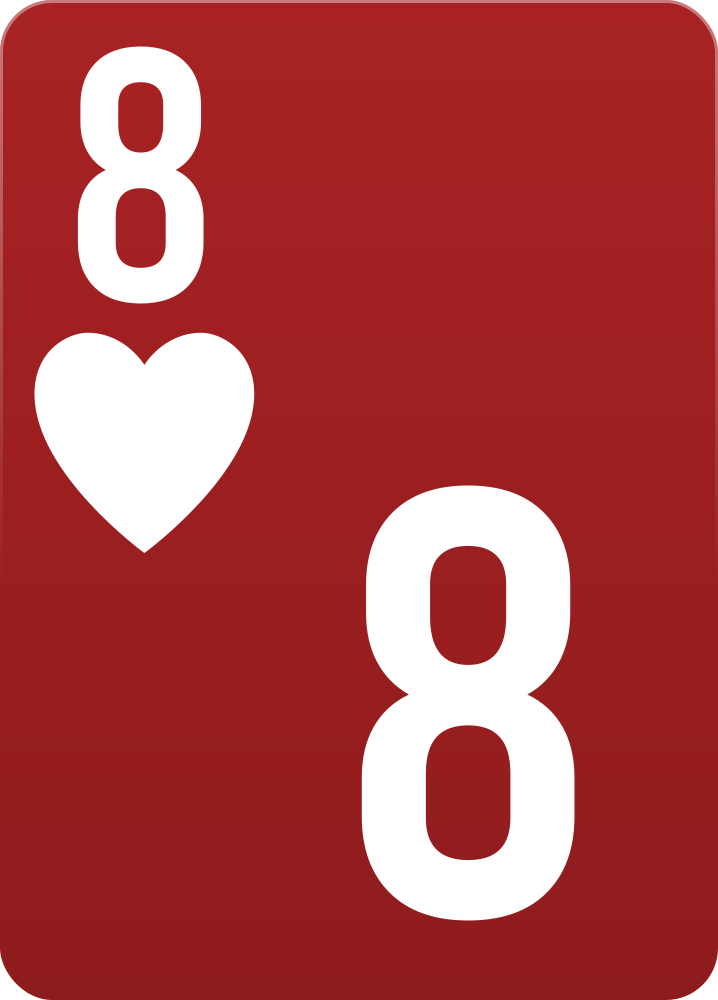
Outs are cards still in the deck that improve your hand to a winner. With four cards to a flush, the other nine cards of that suit are your outs. Counting outs gives you a quick estimate of your chance to hit.
How to count outs
- Decide which hand you need to win: a flush, a straight, a set.
- Count the cards that make it. A suit has 13 cards; if four are visible in your hand and on the board, a flush draw has nine outs.
- Remove cards that help you but give an opponent a better hand — “dirty” outs.
- Do not count a card twice: if it makes both a flush and a straight, it is one out.
Calculator: odds by number of outs
The rule of 2 and 4
A quick estimate without a calculator: on the flop multiply your outs by 4 for the rough chance to hit by the river. On the turn multiply by 2 for the chance to hit on the river. Nine outs on the flop: 9 × 4 = 36%; the exact value is 35%.
Common draws
| Draw | Outs | Flop → river | Turn → river |
|---|---|---|---|
| Flush draw | 9 | 35% | 19.6% |
| Open-ended straight draw | 8 | 31.5% | 17.4% |
| Gutshot | 4 | 16.5% | 8.7% |
| Two overcards | 6 | 24.1% | 13% |
| Flush draw + straight draw | 15 | 54.1% | 32.6% |
| Set from a pocket pair | 2 | 8.4% | 4.3% |
Figures are for Hold’em: 47 unseen cards on the flop, 46 on the turn.
Outs in Omaha
In Omaha you usually have more outs: four to six hole cards, and draws are often combined, like a flush draw plus a straight draw for 13–20 outs. But whether those outs are to the nuts matters more: a flush without the ace often loses to a higher flush. More in the nuts.
FAQ
Cards in the deck that improve your hand to a winner.
Related terms
NutsThe best possible hand on the current board.SetThree of a kind made with a pocket pair and one board card.Run it twiceThe remaining cards of an all-in are dealt twice, each run for half the pot.KickerThe highest card outside the hand, which decides between equal hands.
Every poker term in one place
From check to satellite: short definitions and detailed explanations with card examples.