How to play
Pot-Limit Omaha (PLO, PLO4) is the second most popular poker game after Hold’em. The hand flows the same way — blinds, preflop, flop, turn, river — with two differences that change everything: you get four hole cards and must make your hand from exactly two of them and exactly three board cards.
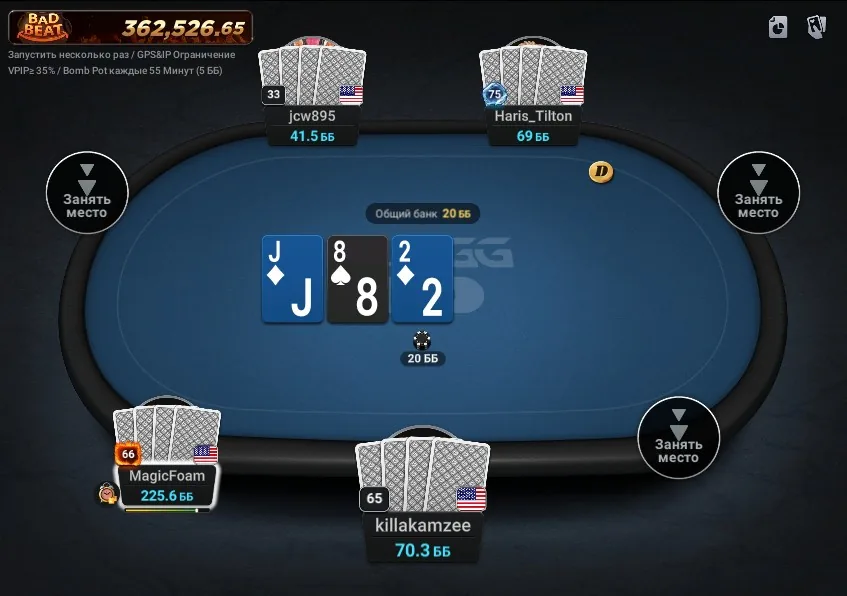
The key Omaha rule: 2 + 3
This is what trips up Hold’em players most. You cannot play one hole card with four from the board, and you cannot use three of your own.
| Situation | Hold’em | Omaha |
|---|---|---|
| Four hearts on board, you hold one heart | Flush ✔ | No flush ✘ — you need two hearts in hand |
| Board AAAKQ, you hold 7-2 | You play the board | Cannot play the board — two hole cards must play |
| You hold four aces | — | Just a pair of aces: 2 hole + 3 board |
| Straight on board 98765 | Everyone has it | Only players who complete it with two hole cards |
How a hand plays

Actions at the table
The actions in PLO4 are the same as in Hold’em. The one difference: you can bet or raise at most the size of the pot.
How pot-limit works
The maximum bet is the size of the pot. To raise, first count your call, then add the resulting pot. Example: pot 10, opponent bets 10. Your maximum raise is 10 (call) + 30 (pot after the call) = 40. The “Pot” button in ClubGG does this for you.
Hands in Omaha
The rankings are the same as in Hold’em, but strong hands come up far more often: four hole cards make 6 different two-card combinations, so straights, flushes and full houses at showdown are routine. Two pair and top pair, strong in Hold’em, often lose in Omaha.


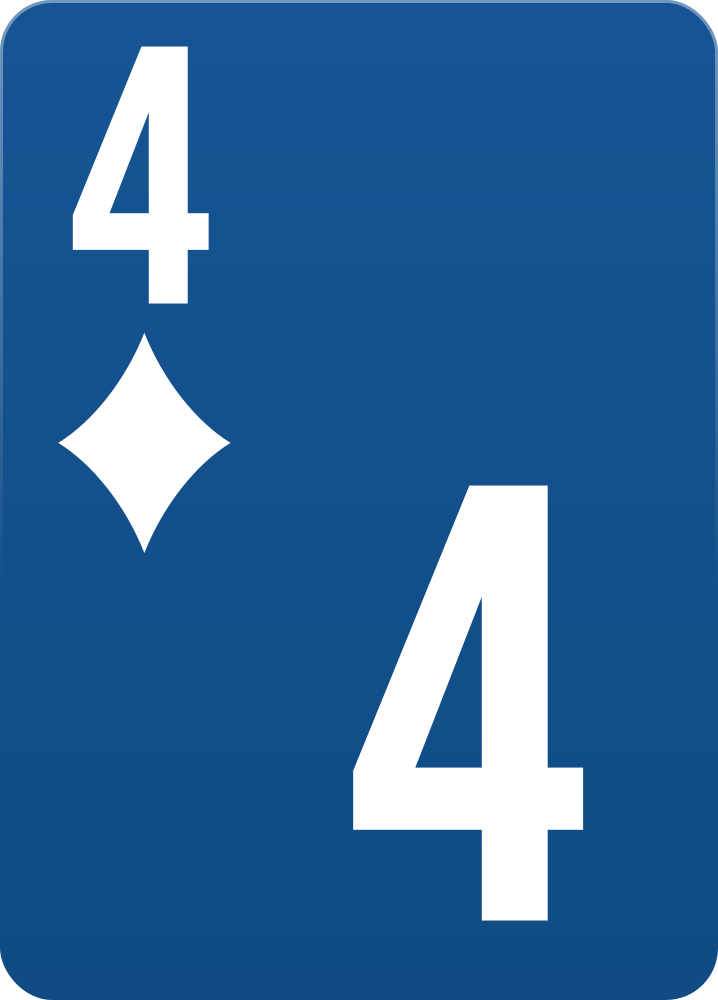
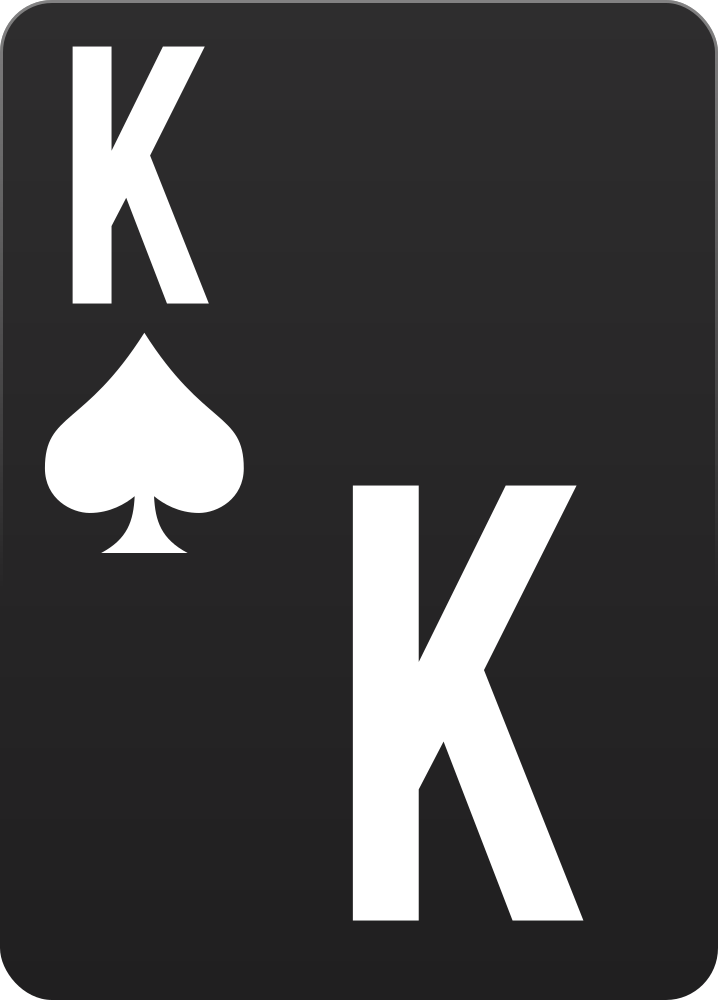
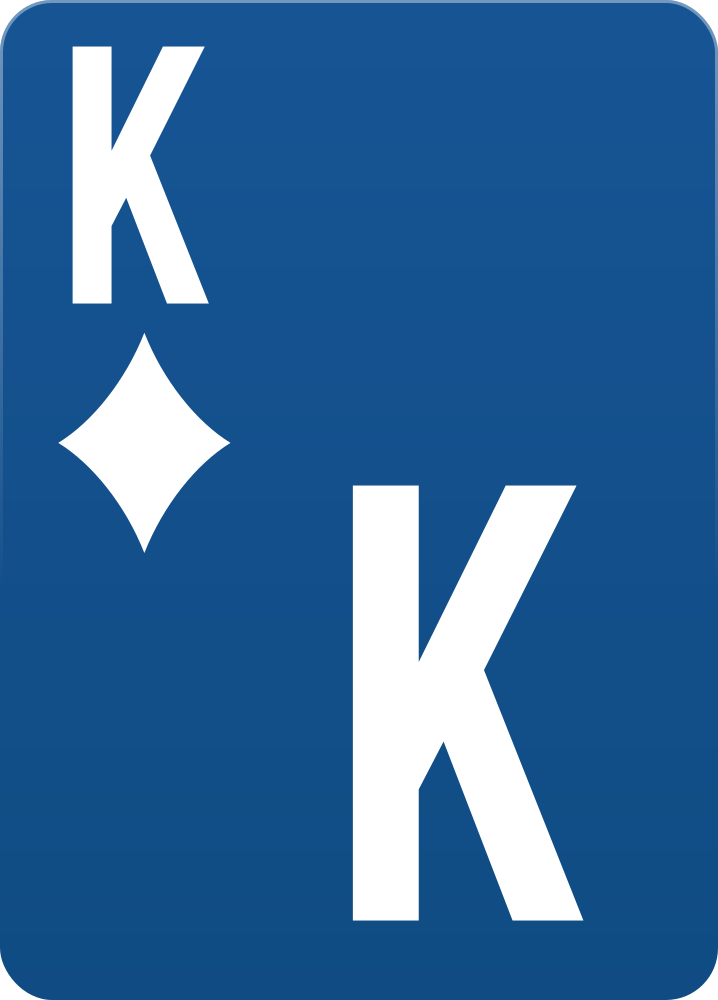
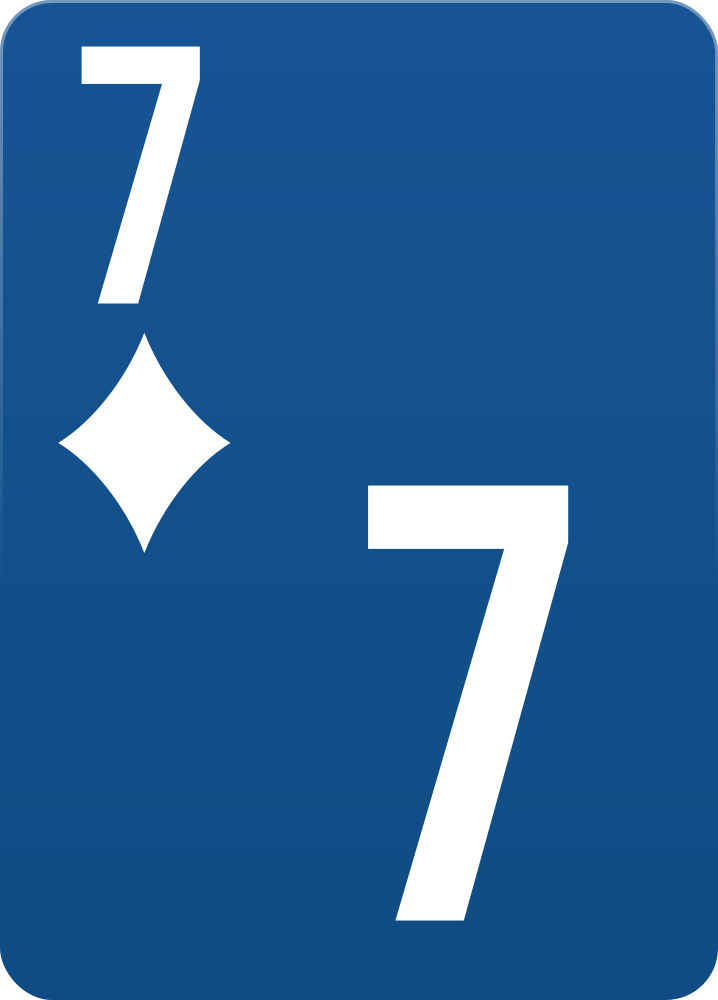

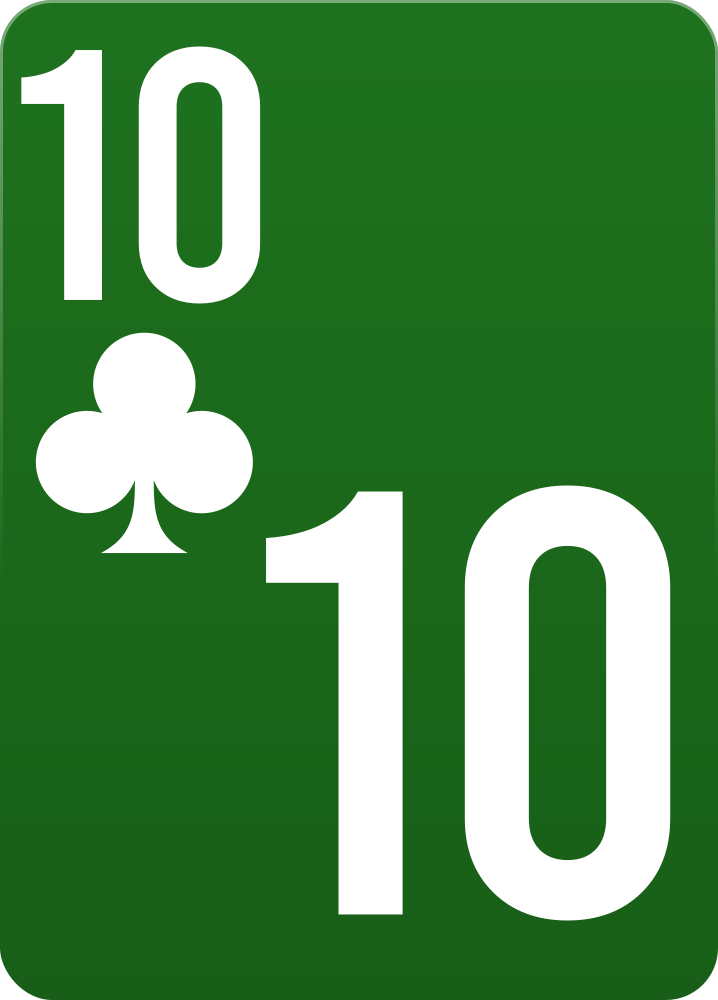
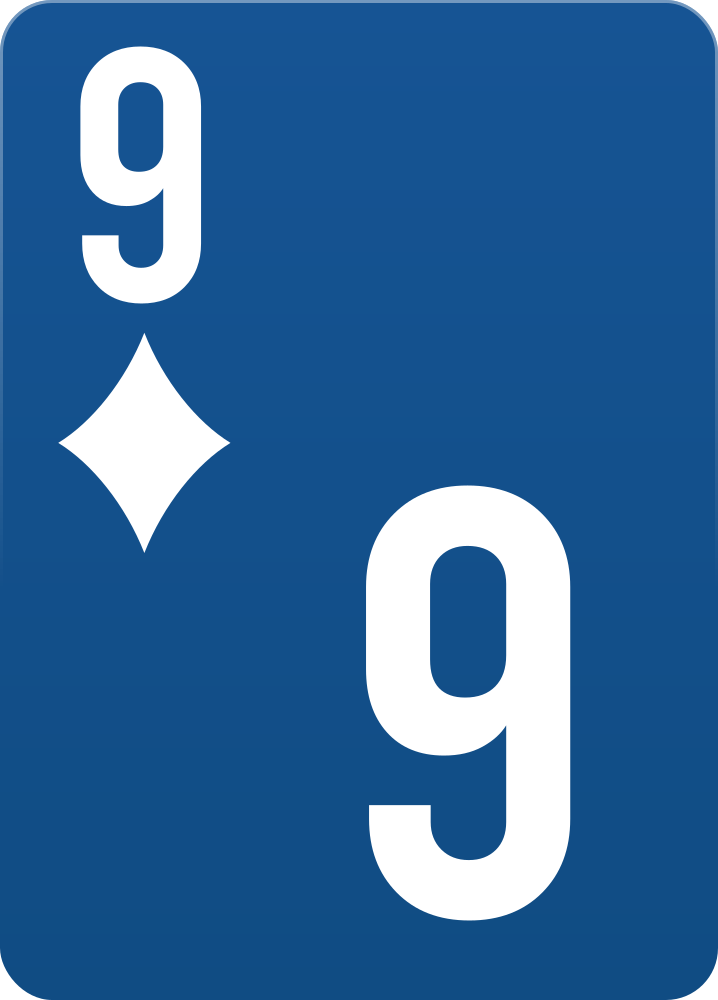
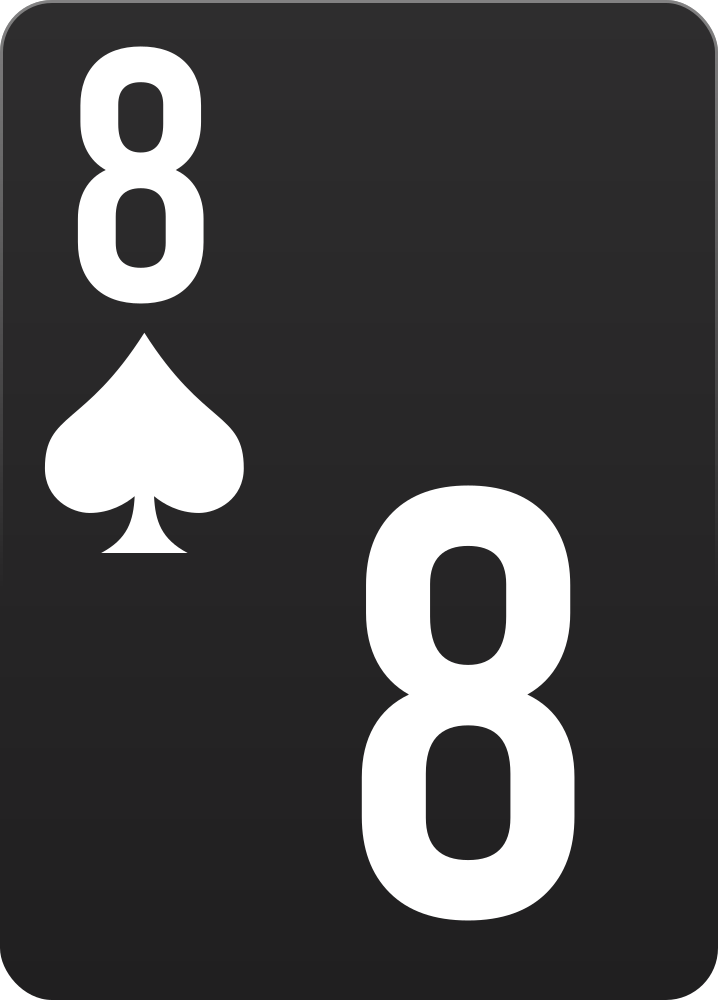
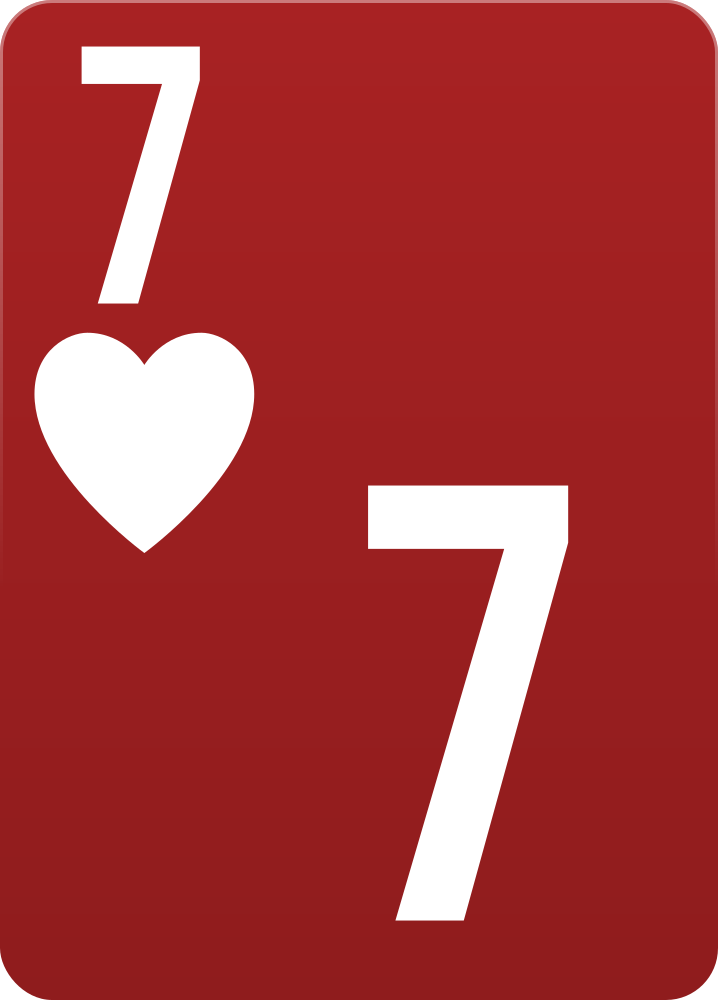
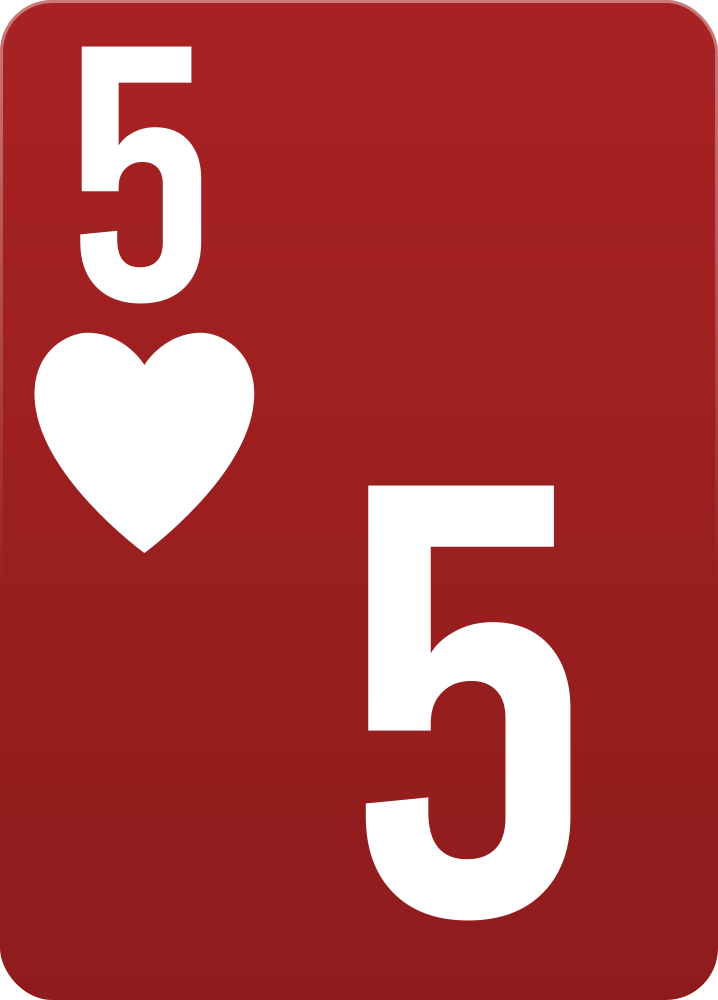
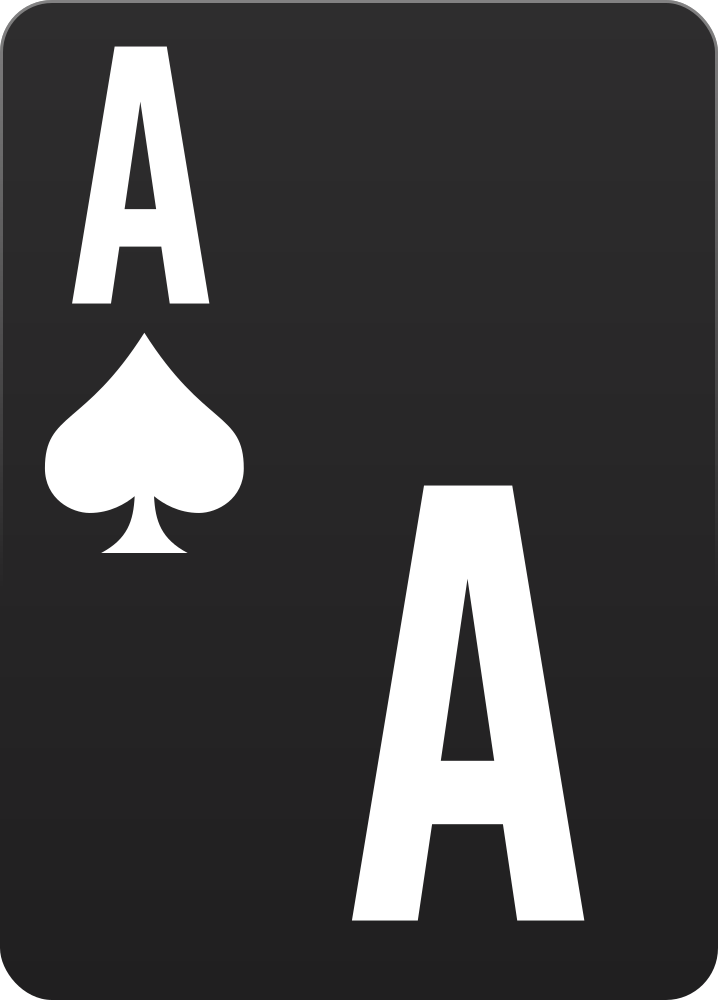
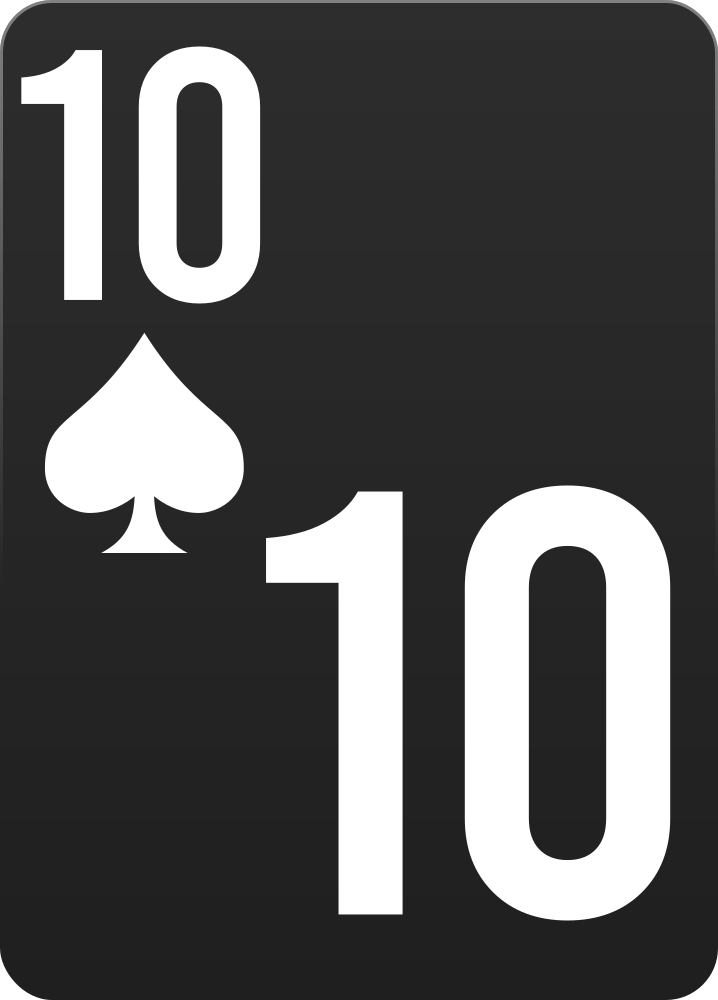
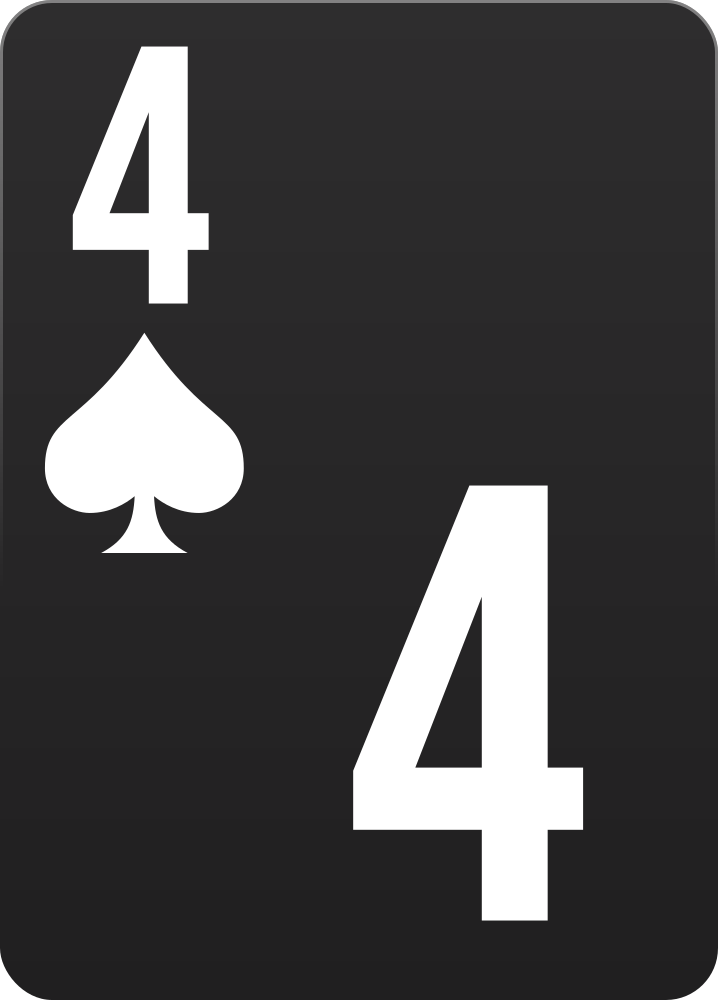
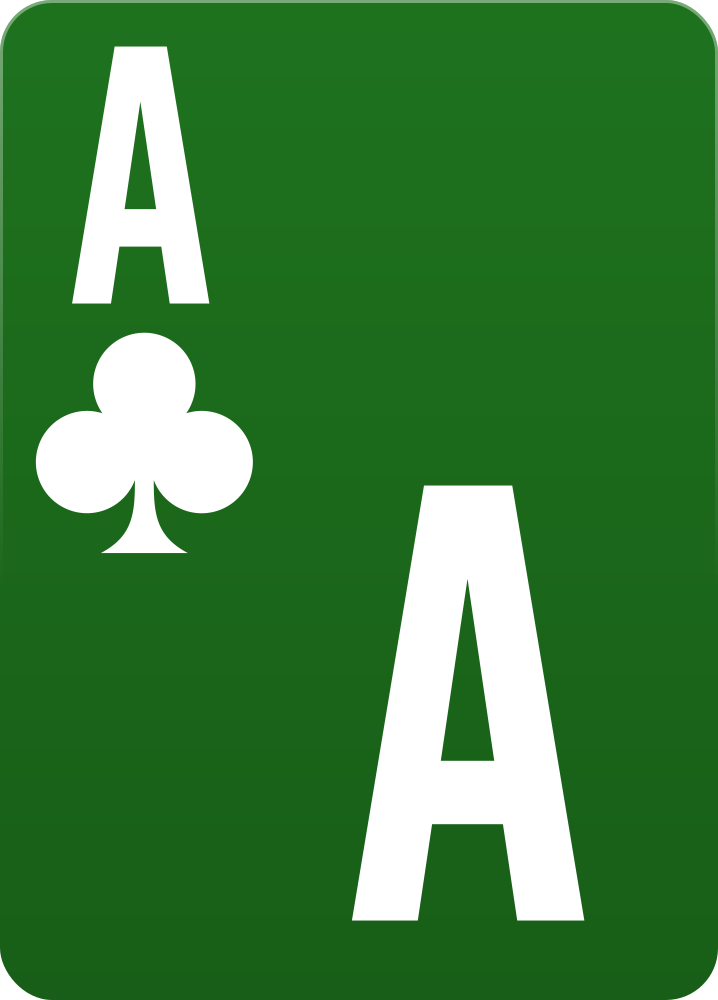
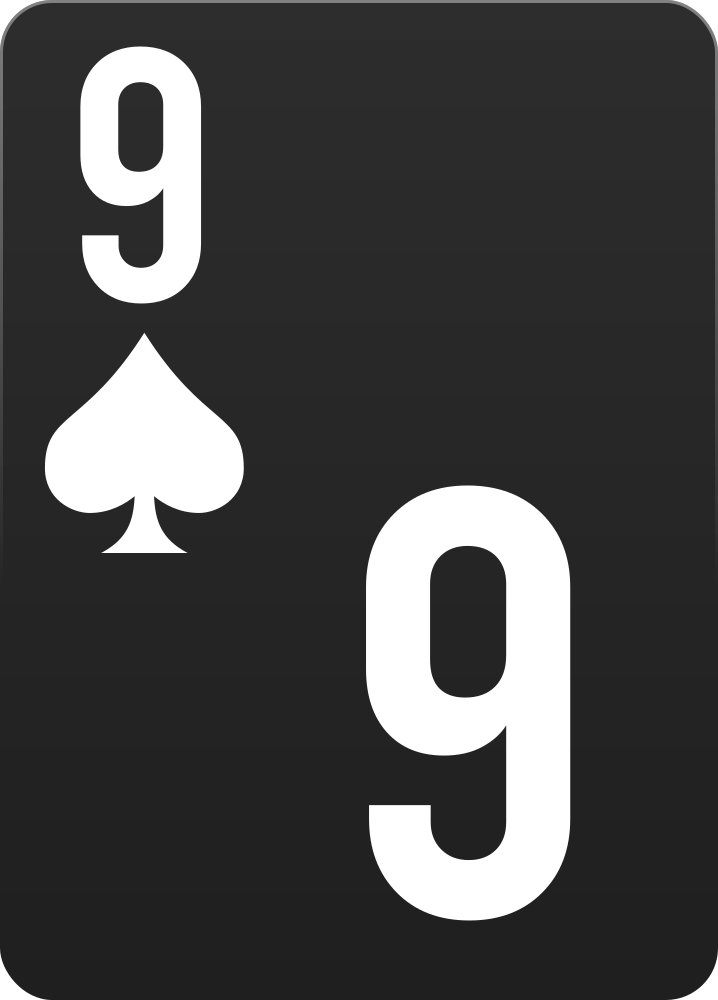
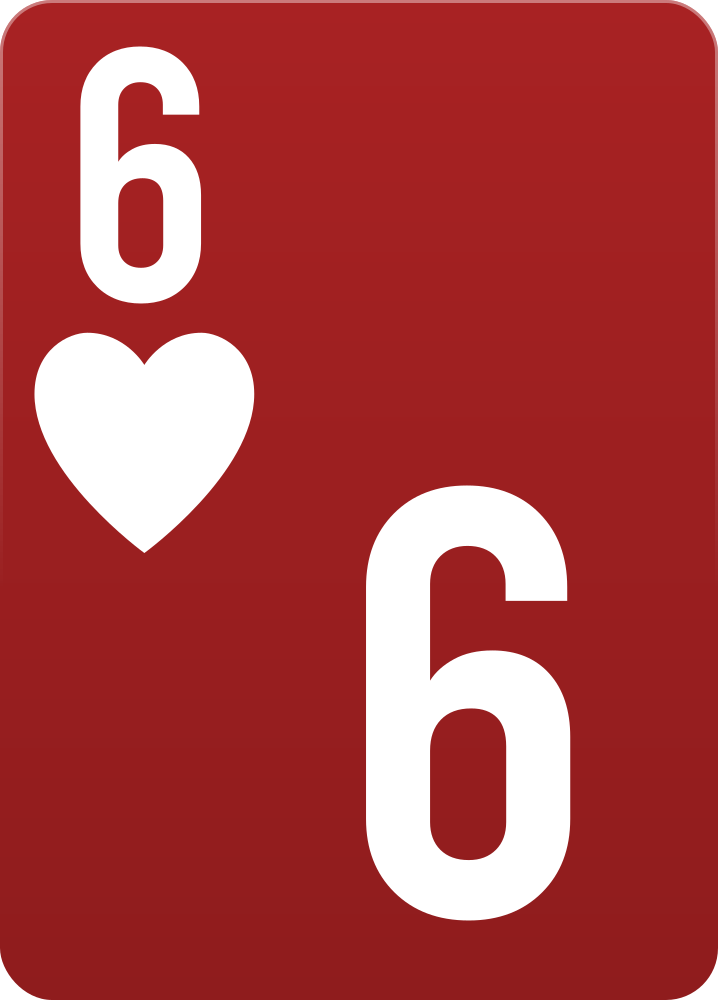
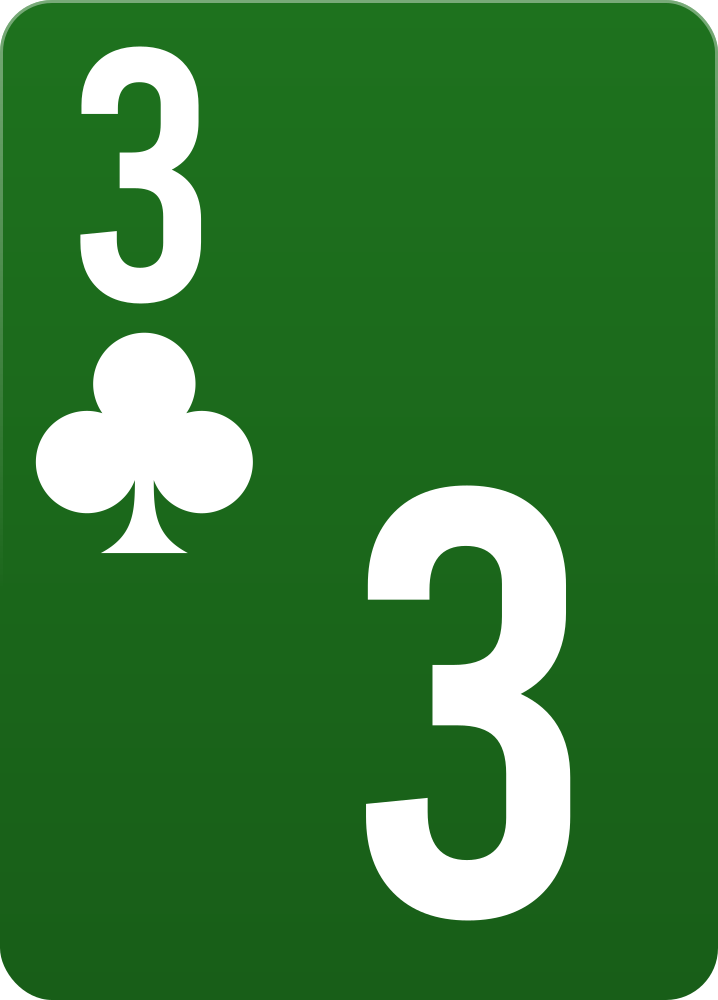
Who wins the pot
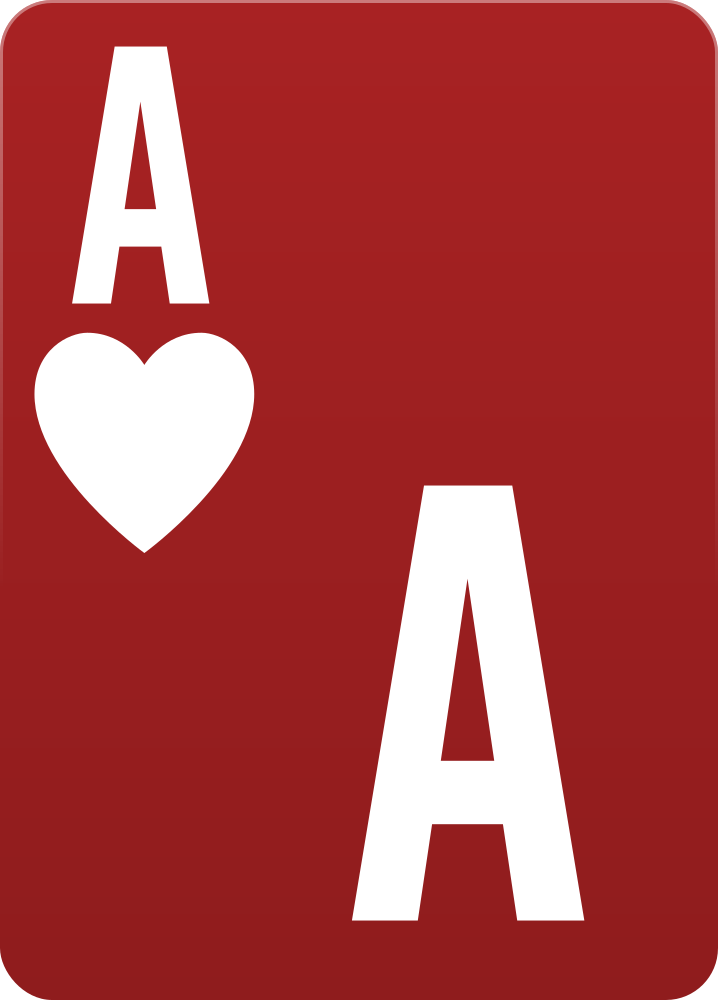
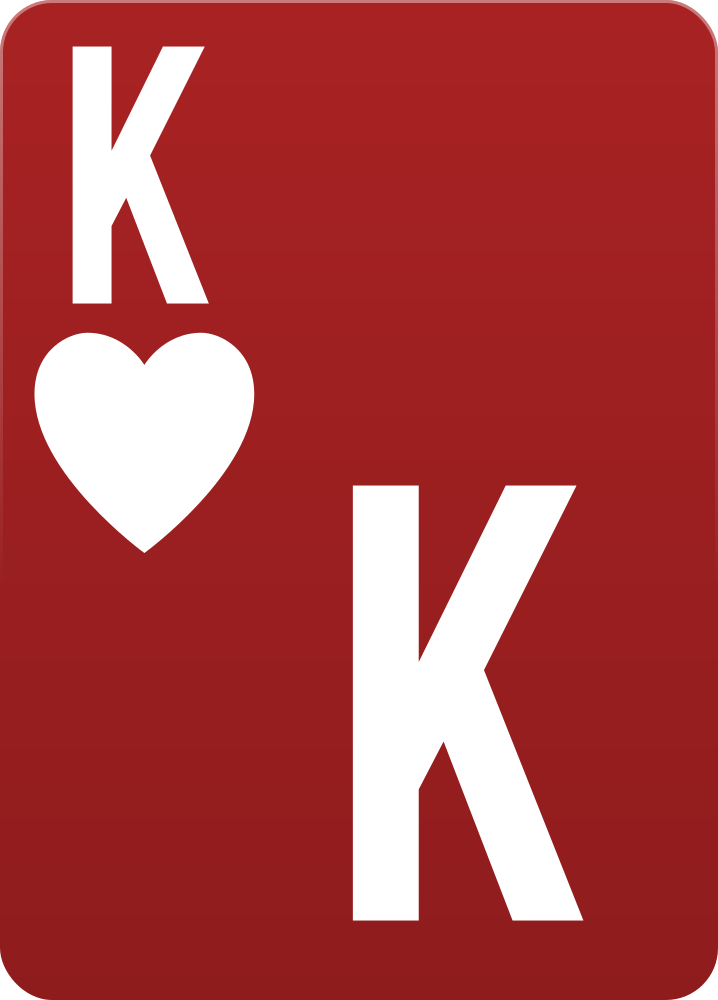
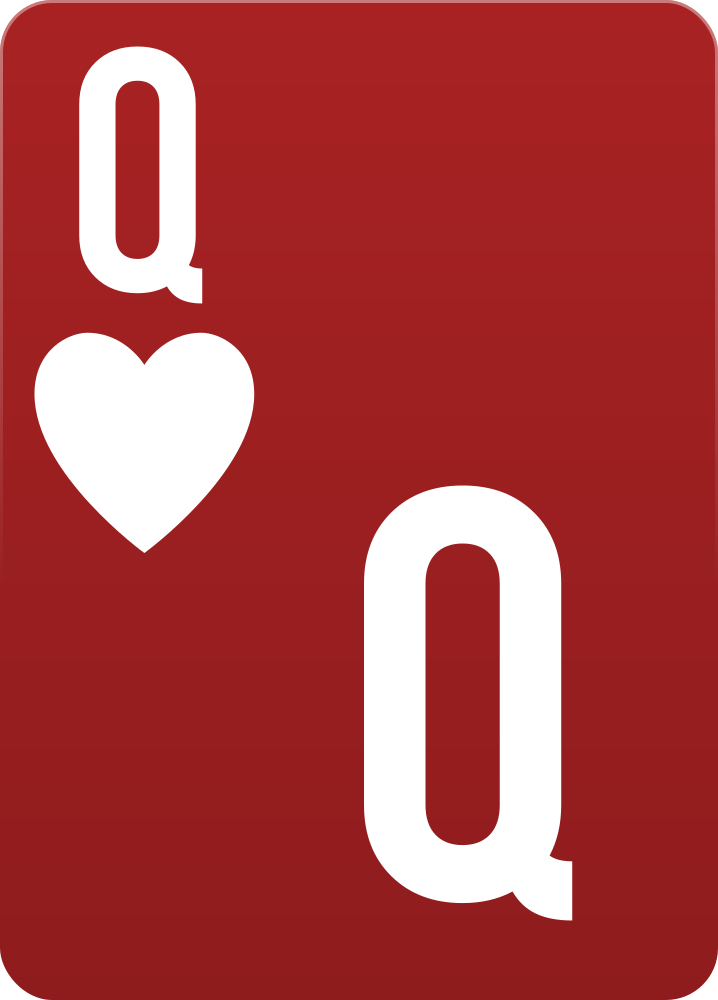
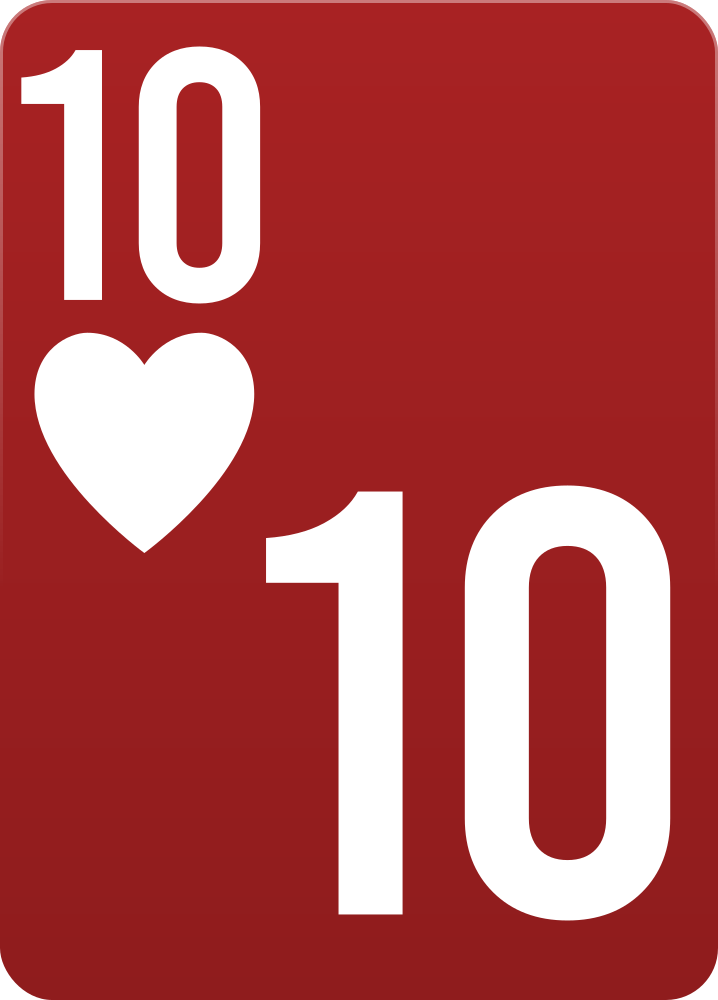
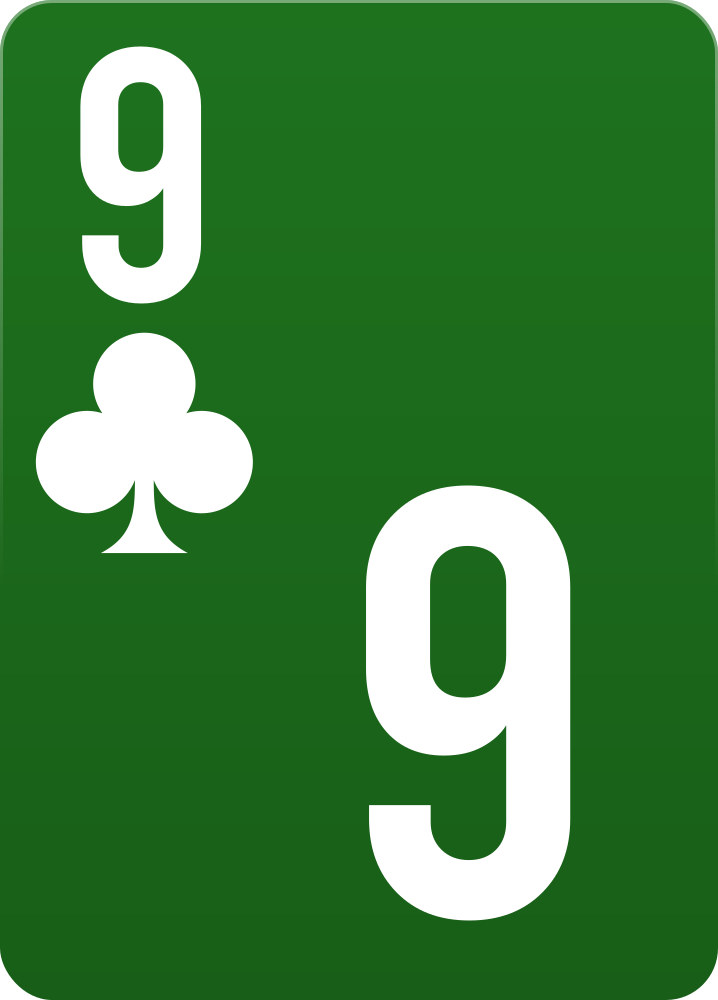
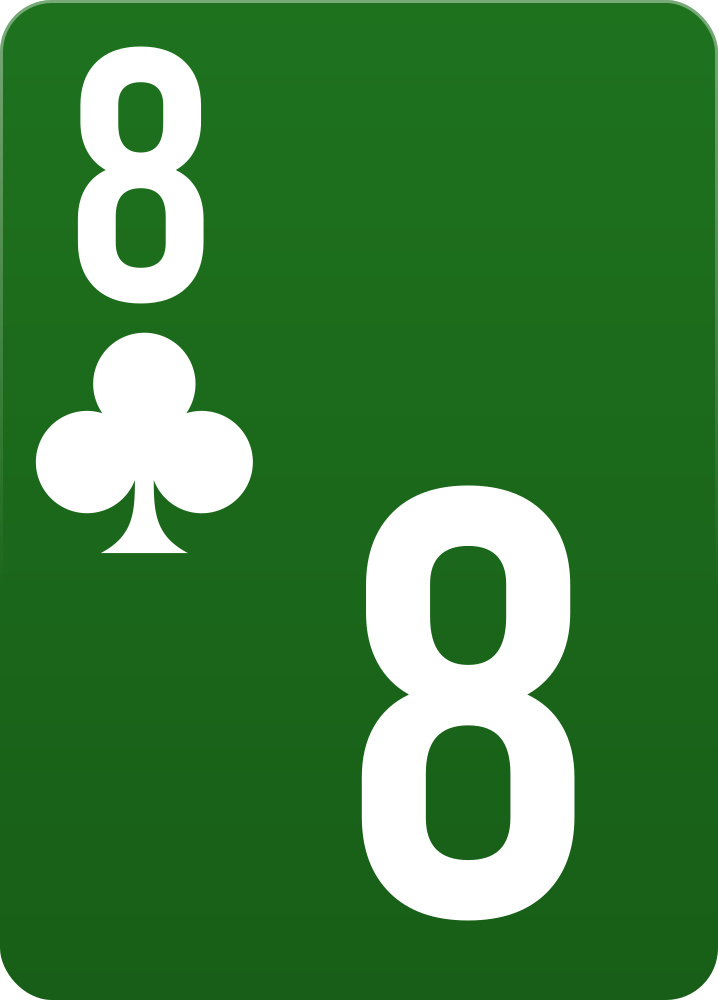
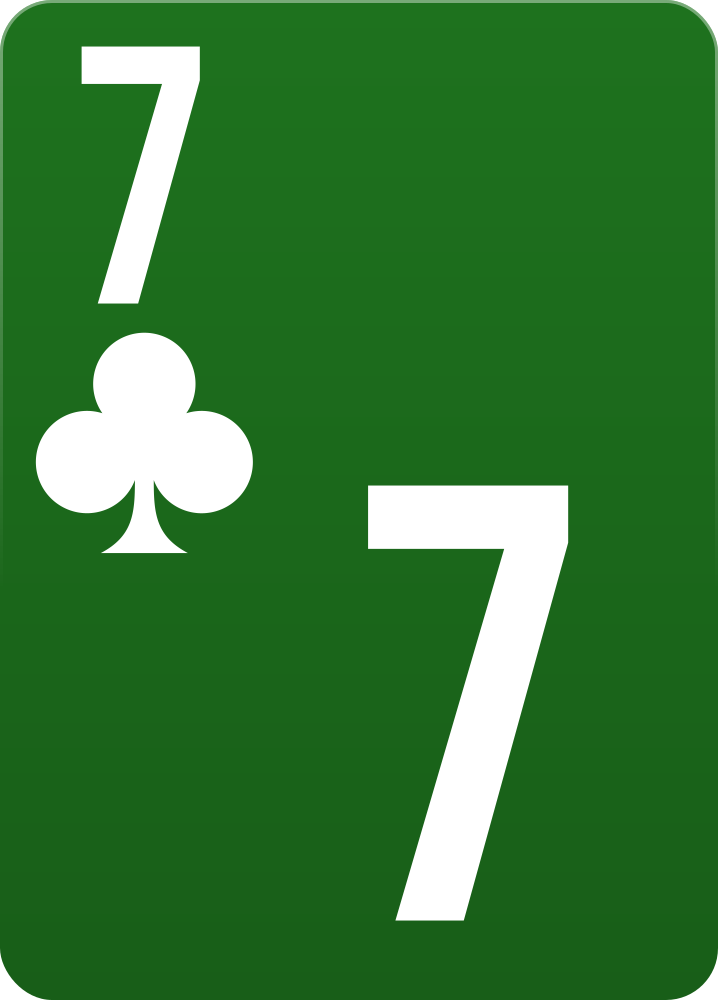
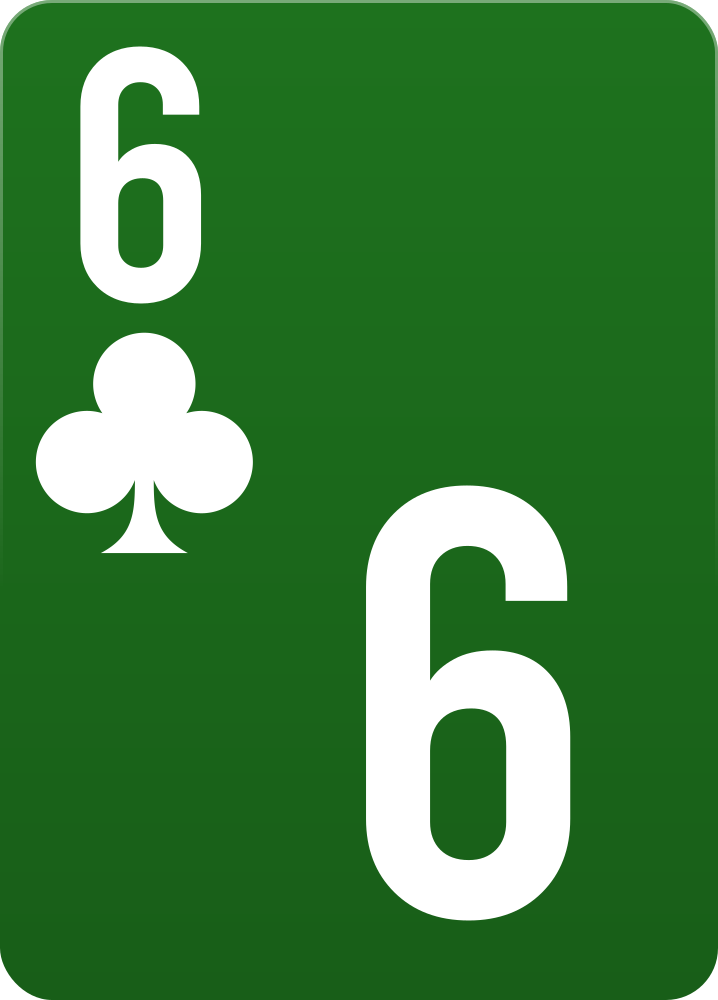
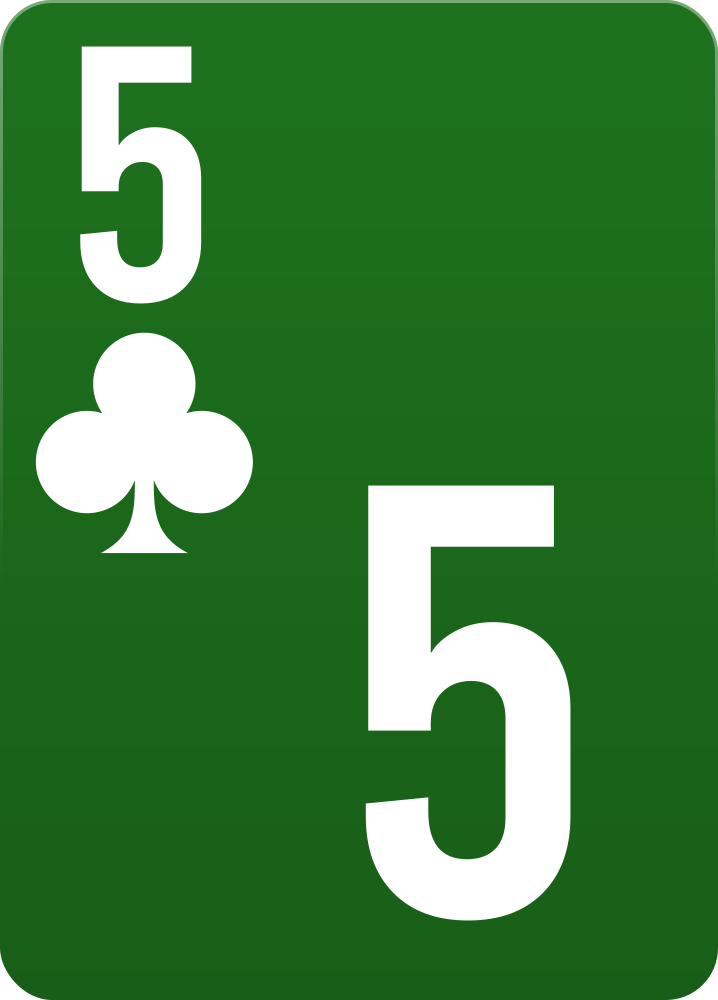
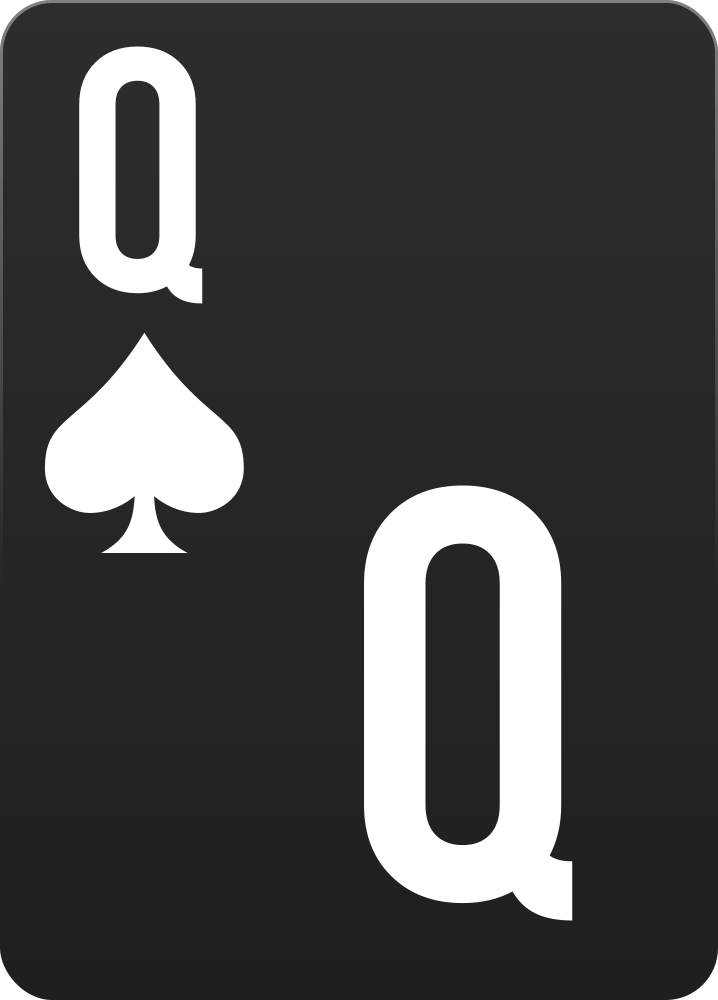
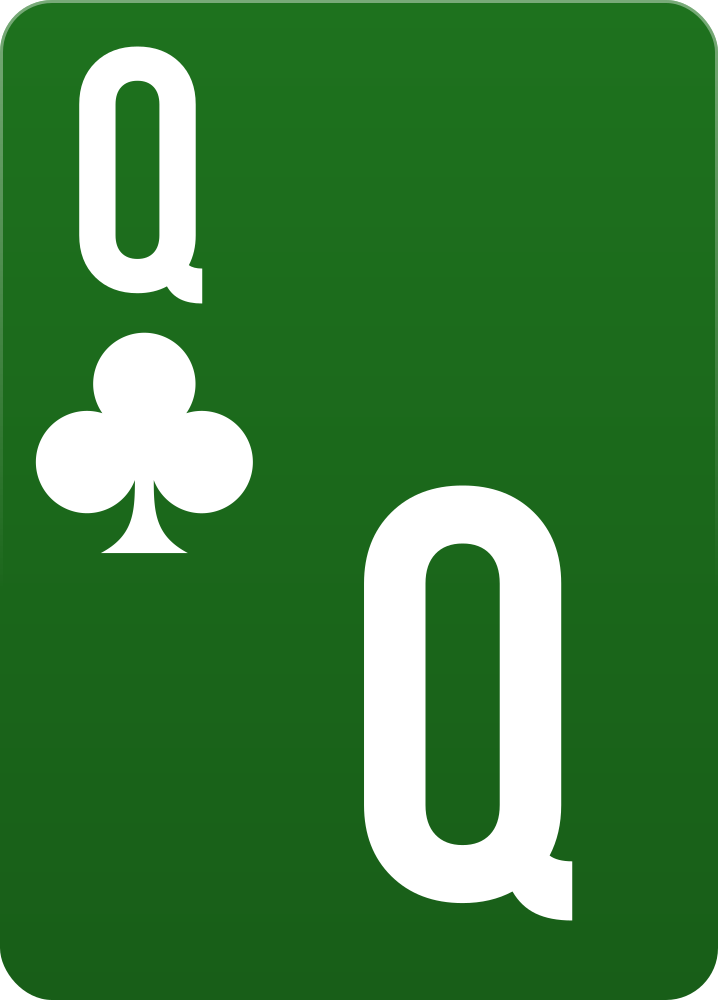
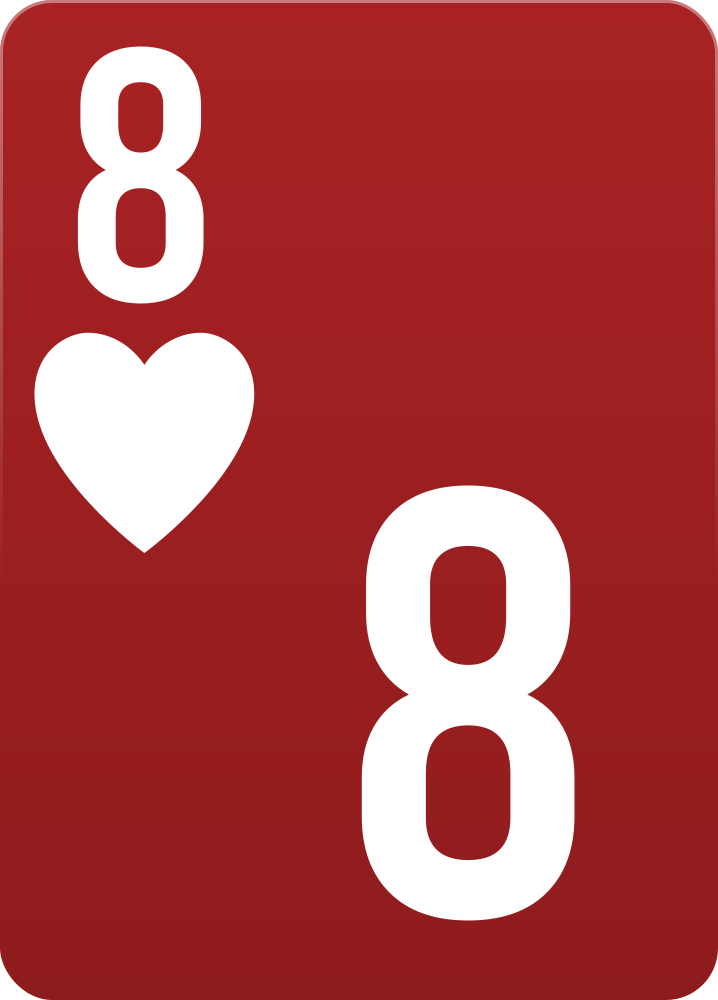
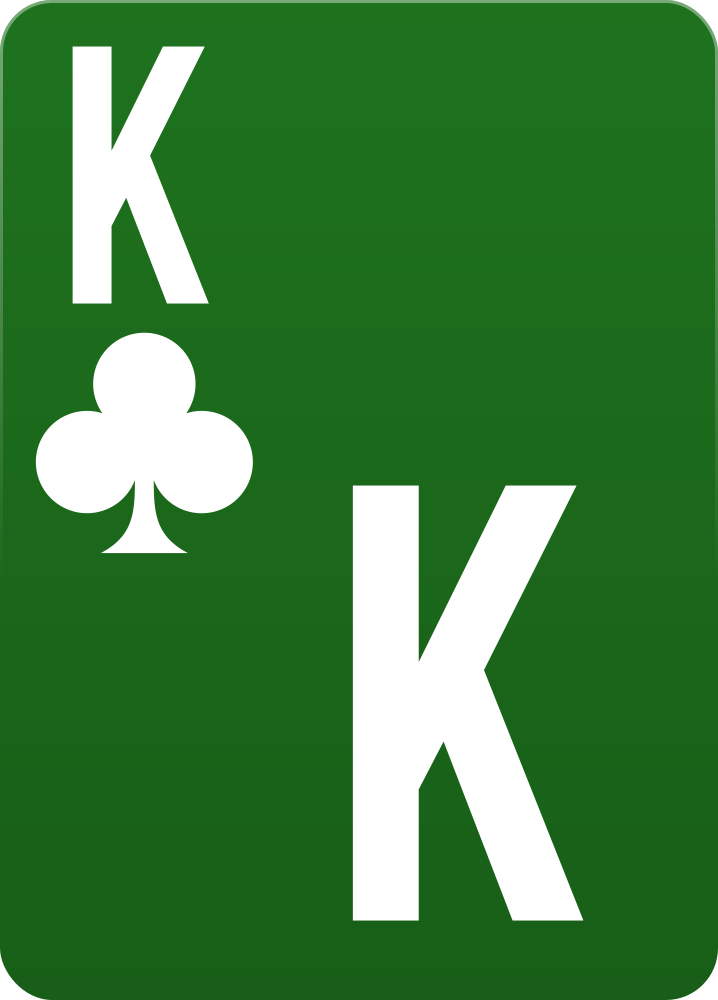
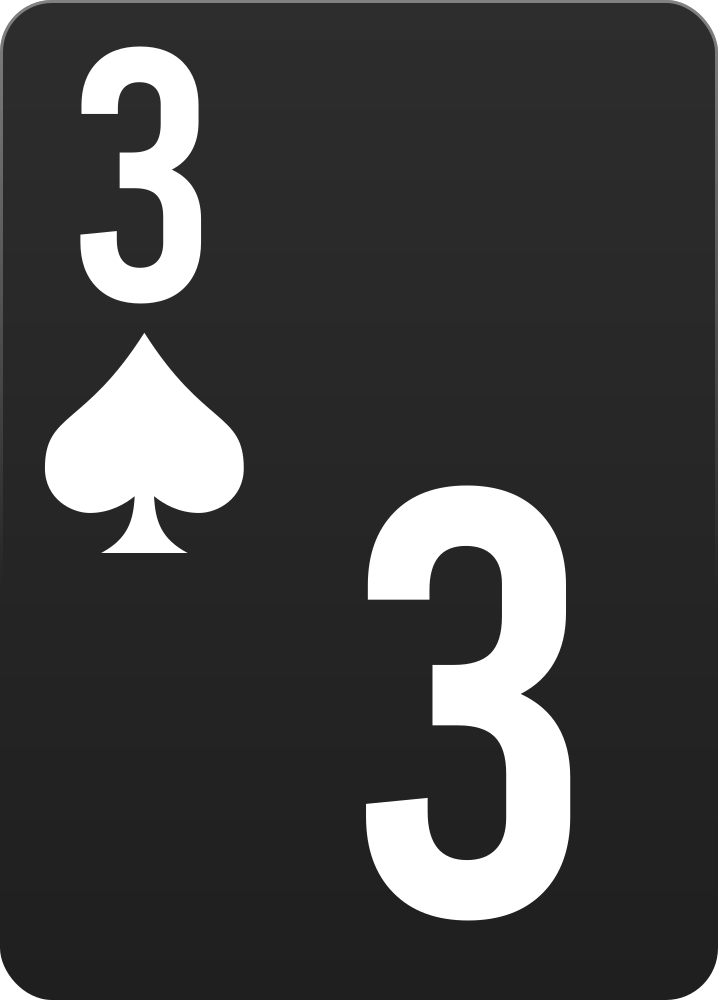
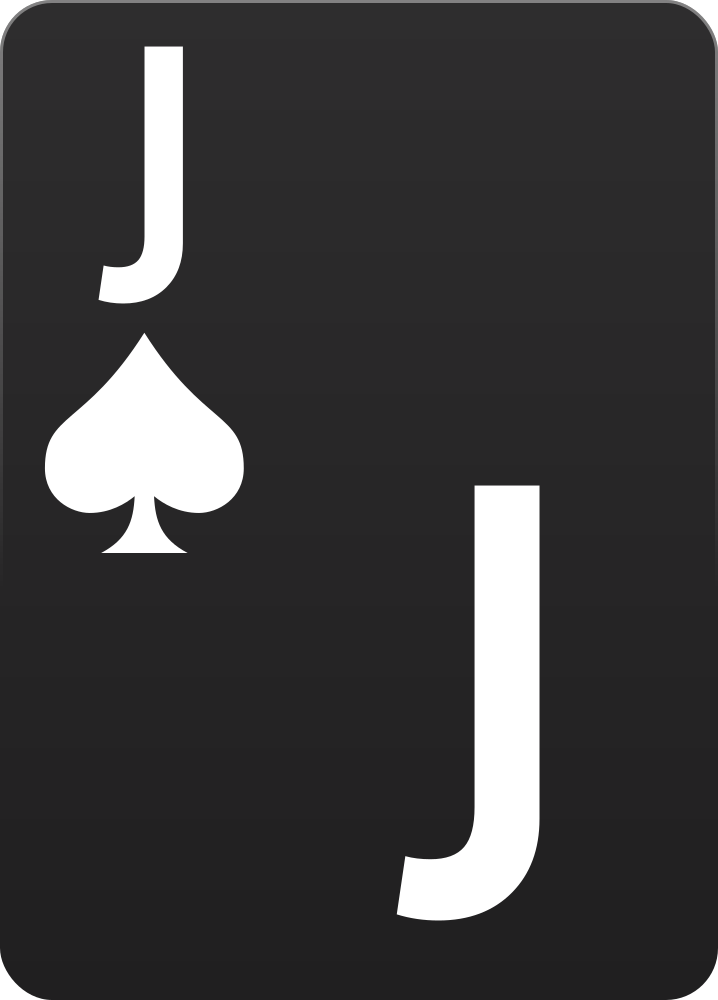
At showdown everyone makes their best hand from exactly two hole cards and three board cards. Tap a player to see which cards they use.
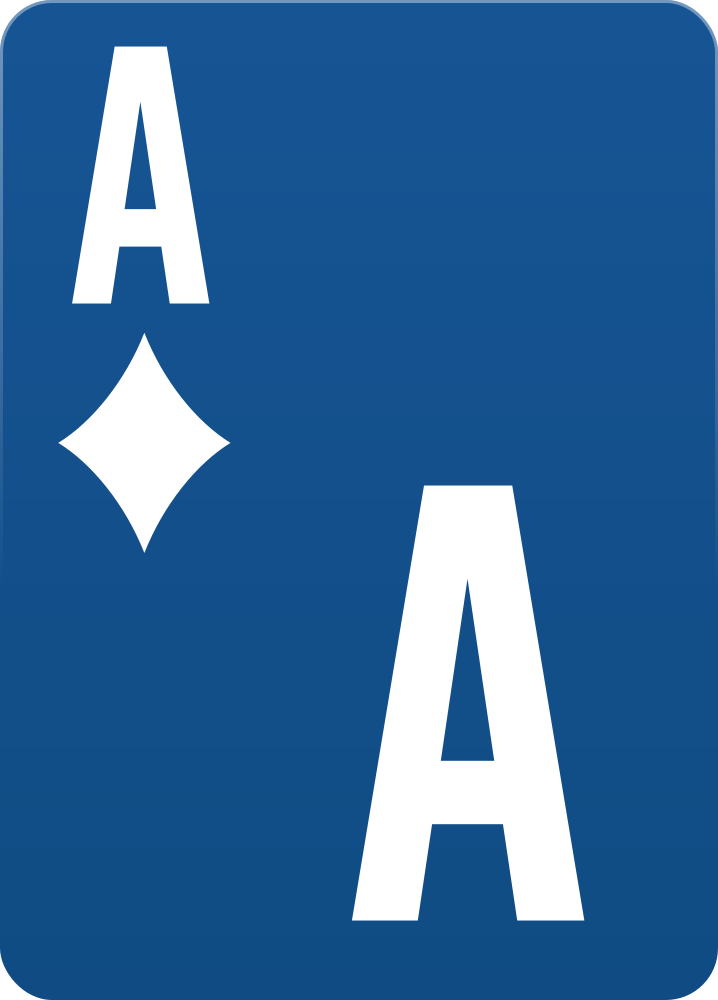
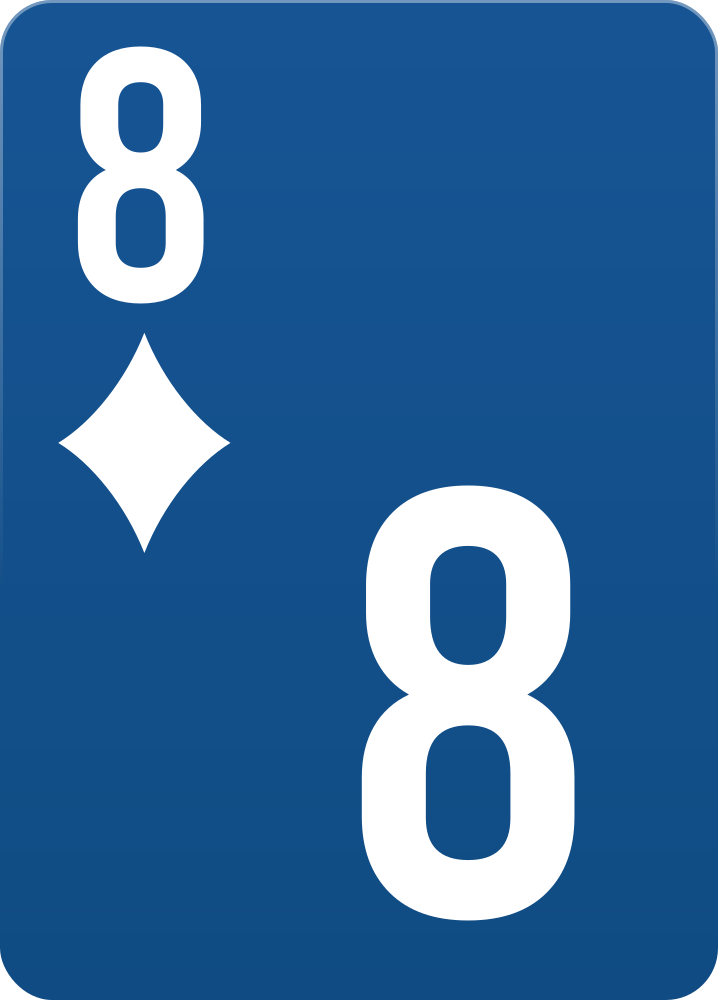
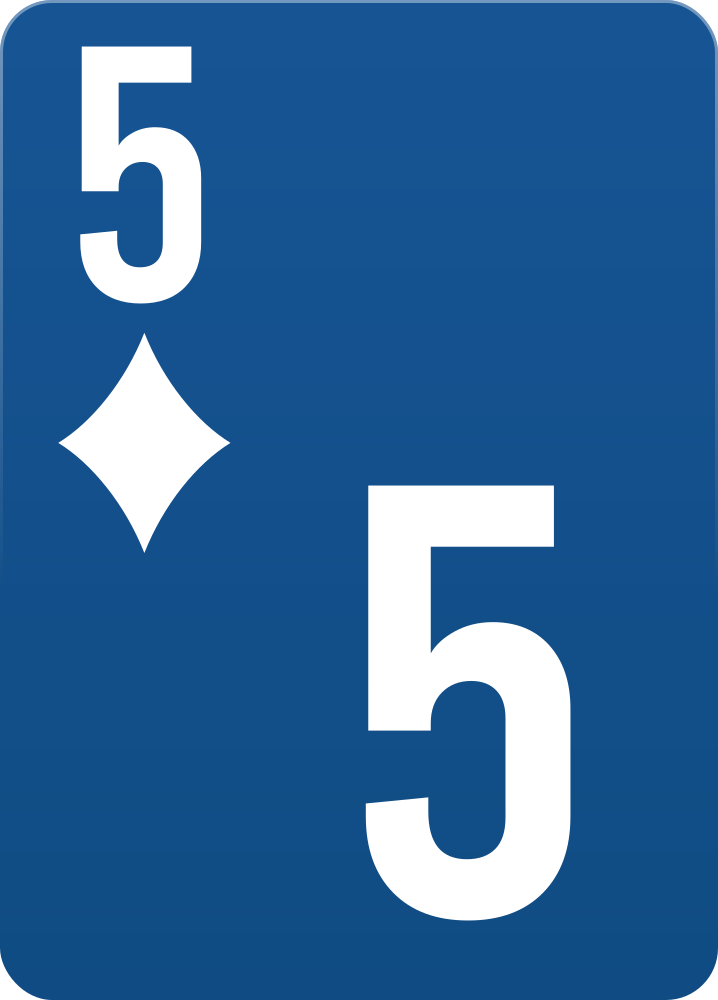
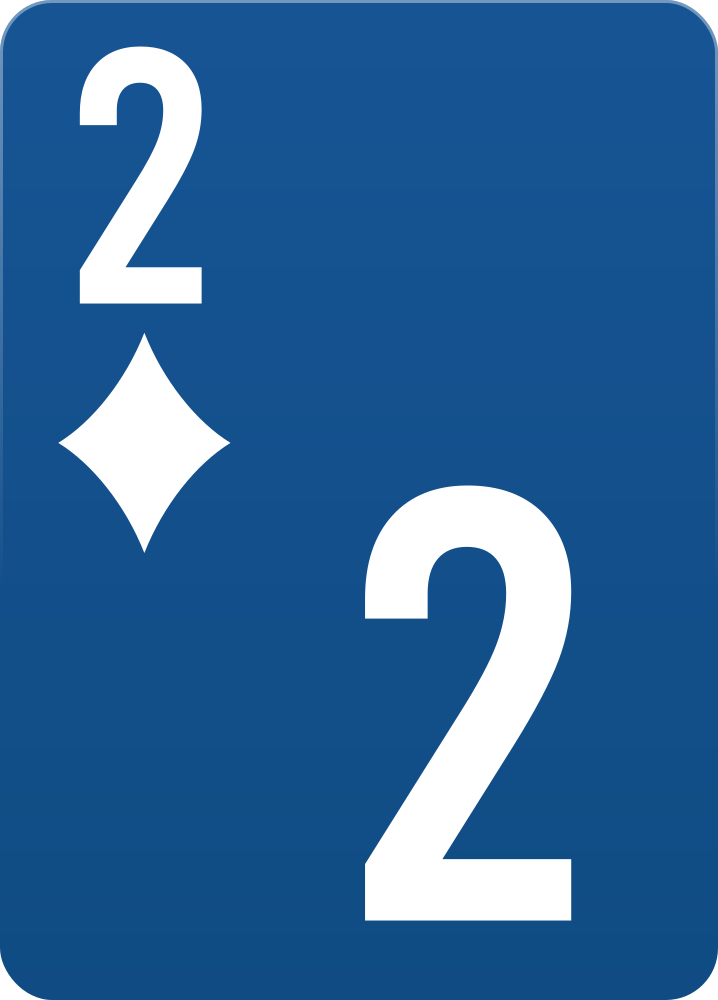
Player A makes a flush: A5 from the hand and K72 from the board. Player C also holds a heart, but only one. In Hold’em three hearts on board would give him a flush; in Omaha you need exactly two suited cards from your hand, so his best hand is a king-high straight. Player B’s set of kings loses to both.
Positions at the table
Your position decides when you act. The later you act, the more you know about your opponents’ decisions. In Omaha this matters even more: pots grow fast and a decision without information costs more. Tap a seat to read about it.
Strong PLO4 starting hands
- Double-suited — two suits in pairs, e.g. AKJ10: two different flush draws.
- Rundowns — connected cards like J1098: many straight possibilities.
- Supported pairs — AAKQ suited; a bare pair of aces is much weaker than in Hold’em.
- Avoid “danglers” — one card unrelated to the other three.
Common beginner mistakes
- Playing a flush with one suited card — it does not exist in Omaha.
- Going all-in with a non-nut flush or straight: in Omaha the nuts — the best possible hand on that board — matter.
- Overvaluing an unsupported pair of aces.
- Playing too many hands from early position: position matters even more than in Hold’em.
Omaha terms
Table settings in the club
Every table in the lobby carries tags. Here is what they mean:
| Setting | What it means |
|---|---|
| Ante | A small forced bet from every player before the deal. Pots are bigger from the start, so playing more hands pays off. |
| Bomb Pot | A special hand: everyone posts the same amount, preflop is skipped and the flop is dealt straight away. Usually every N hands — adds a lot of action. |
| Double Board | Two boards are dealt at once and the pot is split: half to the best hand on each board. You can win one board and save half the pot. |
| Run it Multi-Times | When players are all-in before the river, the remaining cards can be dealt two or three times and the pot split by result. Lower variance, fewer bad beats. |
| VPIP requirement | The table requires each player to voluntarily put chips in a minimum share of hands, so nobody just sits and waits. |
| GPS & IP restriction | Players on the same IP or located close to each other cannot sit at one table — protection against collusion. The private MOJO : ALLIN club has no such restriction. |
| 10BB / 20BB / 50BB / 60BB Max | Tables with a capped buy-in — e.g. at most 20 big blinds. Short-stack play: more all-ins preflop and on the flop, simpler and faster decisions. |
Where to play PLO4 at MOJO
Omaha runs in both clubs from 0.25/0.50 to 5/10. MOJO : MU has many union tables with Bomb Pot and Double Board, MOJO : ALLIN a calm game without GPS restrictions. Moving up from four cards? Read about PLO5 and PLO6.
Install ClubGG, join the club and message the manager — a seat and chips are ready within minutes.
FAQ
Other games in the club
Suit icons: skoll, game-icons.net (CC BY 3.0)