How to play
Omaha Hi-Lo (Hi/Lo, “eight or better”, O8) is Omaha with a split pot. At showdown the pot is divided in two. One half goes to the best high hand, as in regular Omaha. The other half goes to the best low hand. If nobody makes a low, the high hand takes the whole pot.
MOJO : MU runs two versions. PLO5 Hi-Lo, also called Big O, deals five hole cards. PLO6 Hi-Lo deals six. The split-pot rules are the same; the number of cards and which hands are strong are what change.
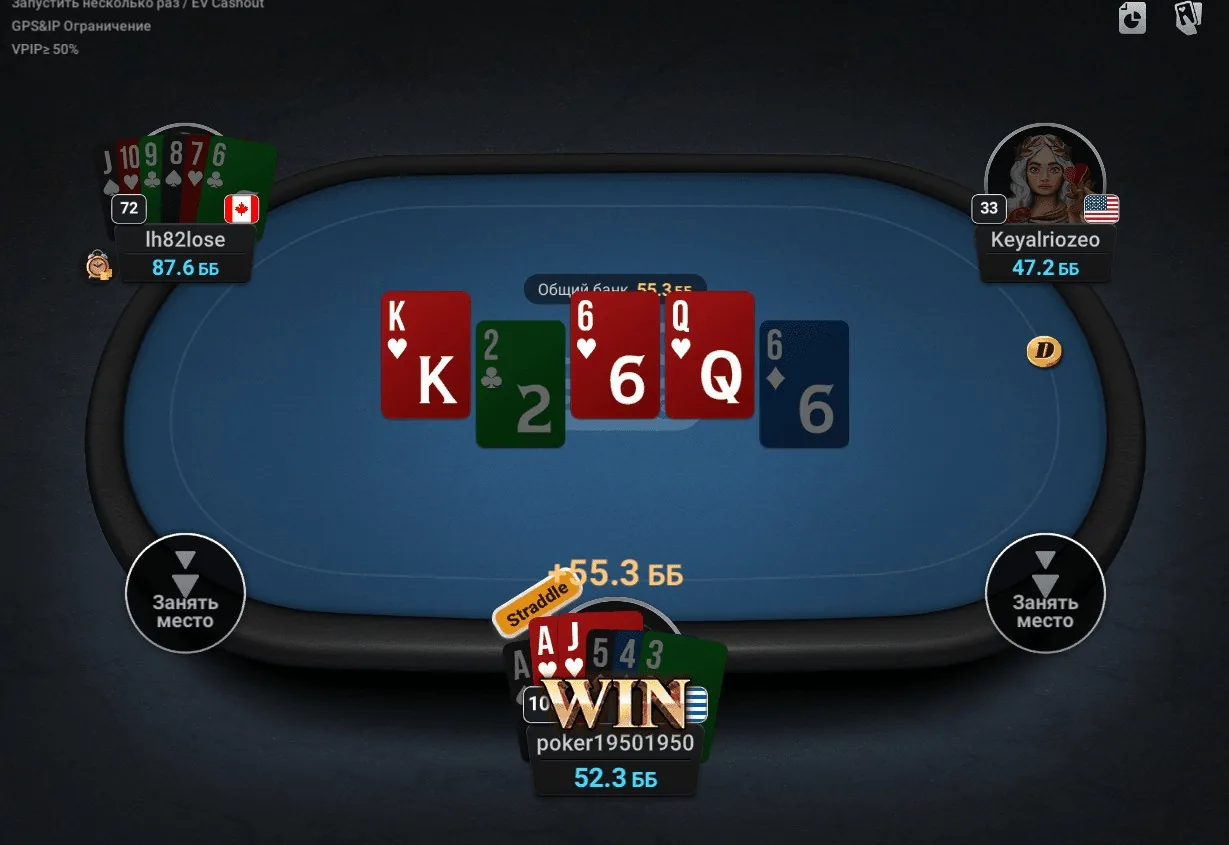
The rules in a minute
- Each player gets 5 cards in PLO5 Hi-Lo or 6 in PLO6 Hi-Lo. Betting is pot-limit: you can bet at most the size of the pot.
- Betting follows the Hold’em streets: preflop, the flop with three community cards, the turn and the river.
- At showdown everyone makes two hands at once, a high and a low. Each uses exactly two hole cards and exactly three board cards.
- The best high takes half the pot and the best low takes the other half.
- A low needs five different cards, eight or lower. If nobody has one, the high hand gets the whole pot.
- Tied hands share their half equally.
What a low hand is
- A low is five cards of different ranks, all eight or lower. The ace counts as one for low and stays high for high.
- Straights and flushes do not hurt a low. A2345 is both a straight for high and the best possible low.
- Pairs ruin a low. AA or 22 in your hand cannot make one; you need two different low cards.
- Lows are compared from the top card down, and the lower top card wins. 7542A beats 8432A because seven is lower than eight.
- If the top cards tie, compare the next ones. 76432 beats 7652A: on the third card, four is lower than five.
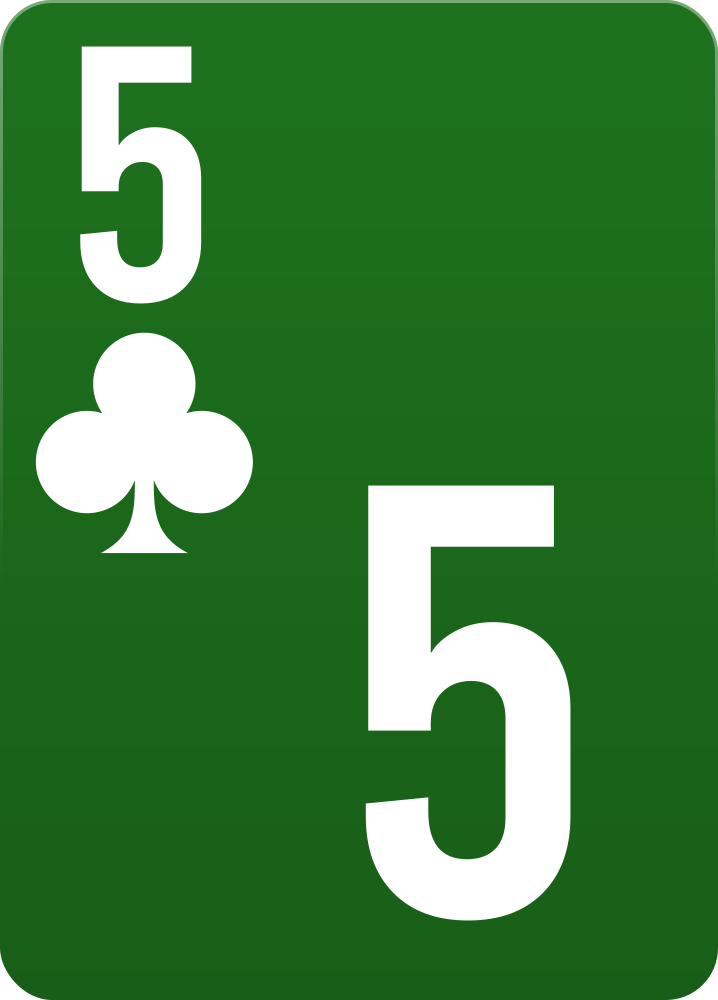
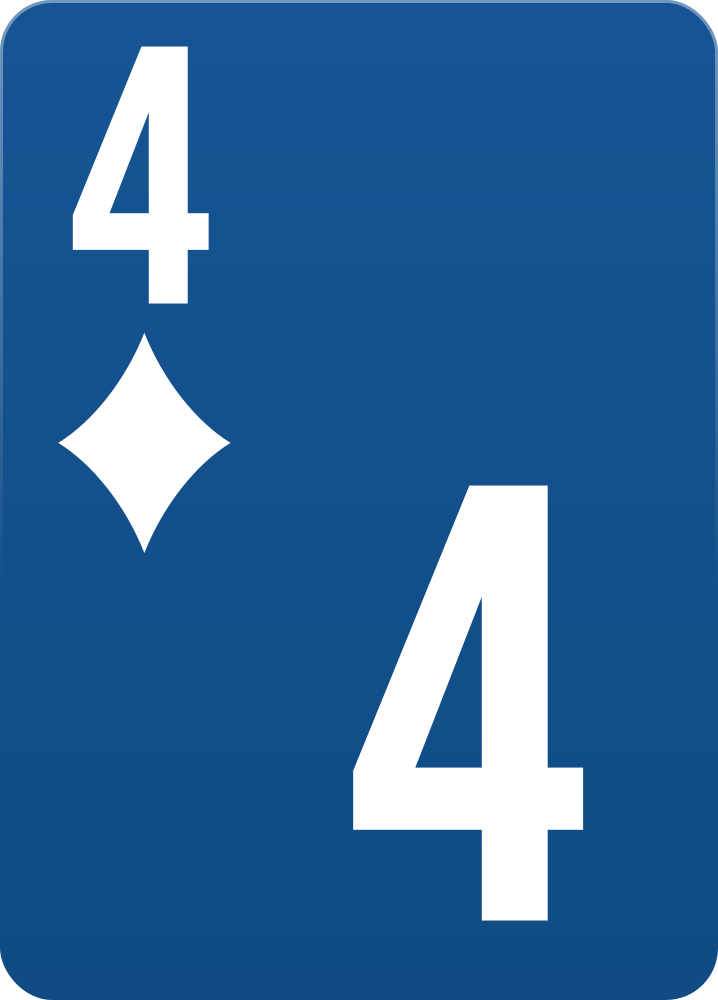
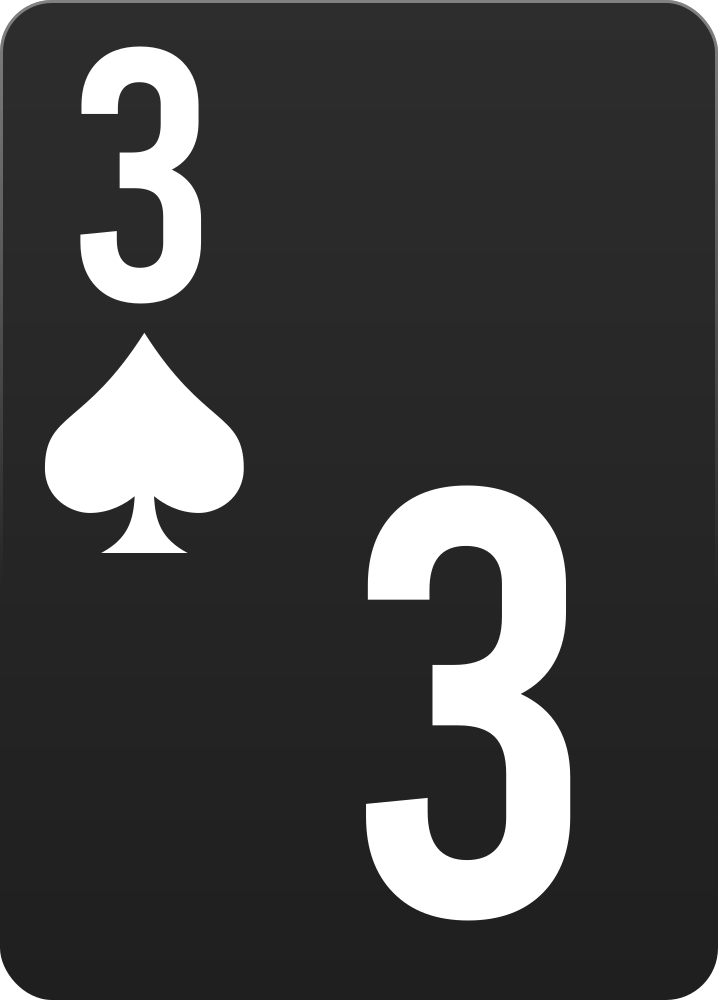
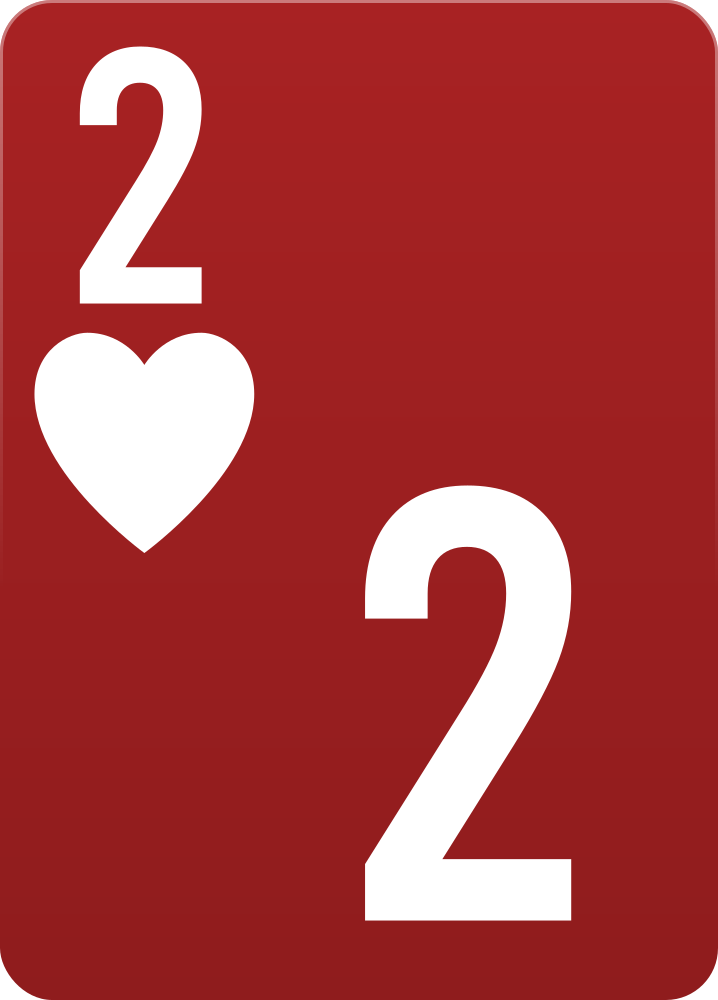
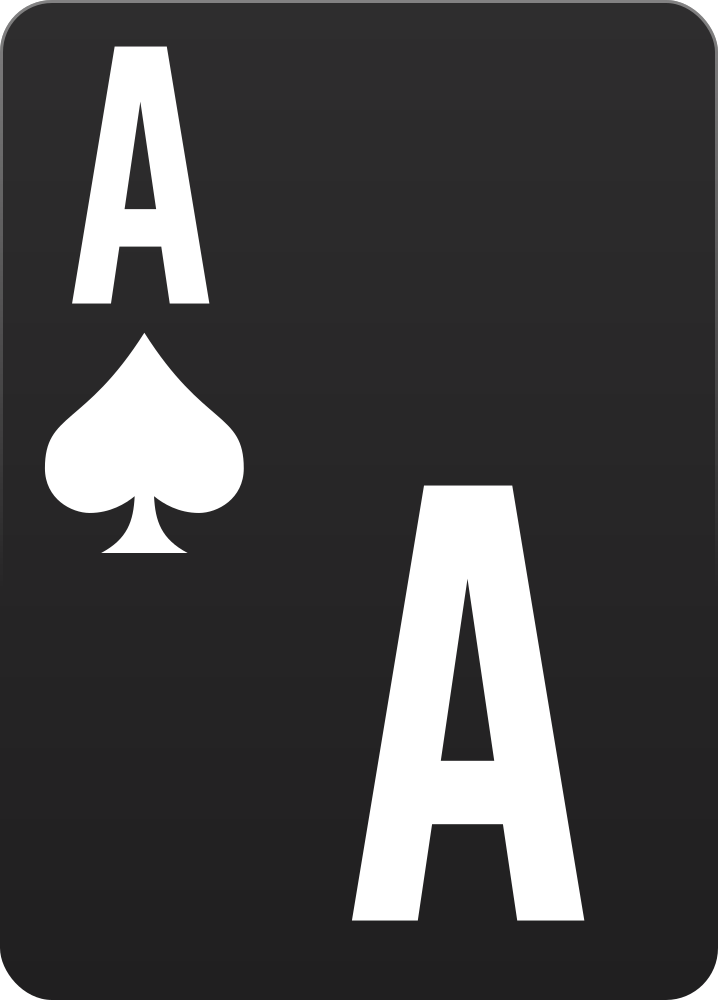
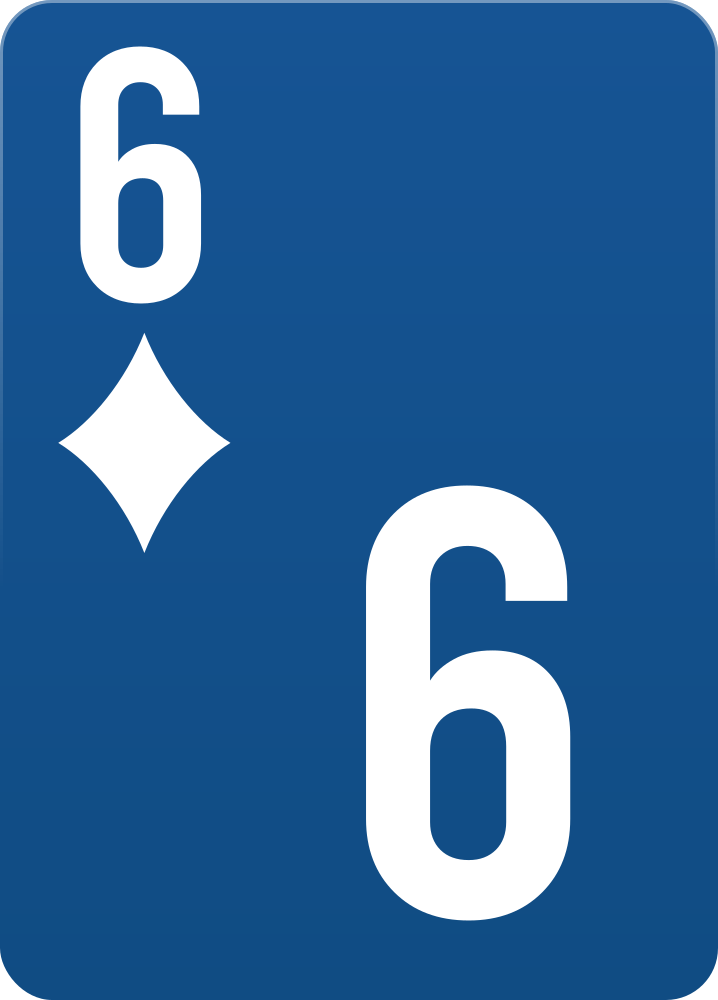
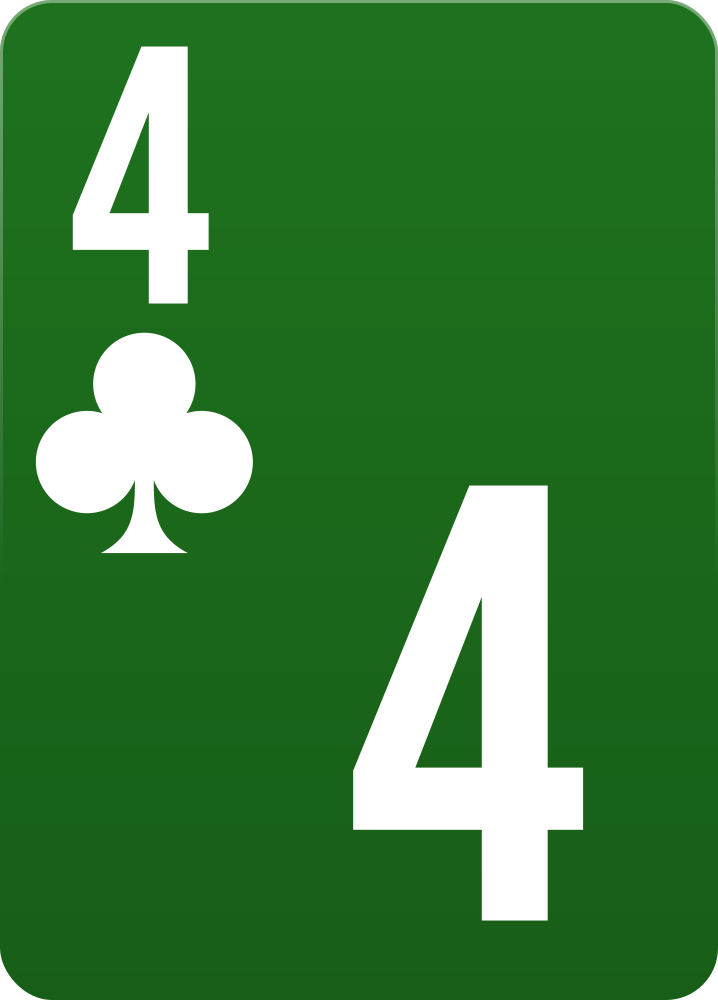
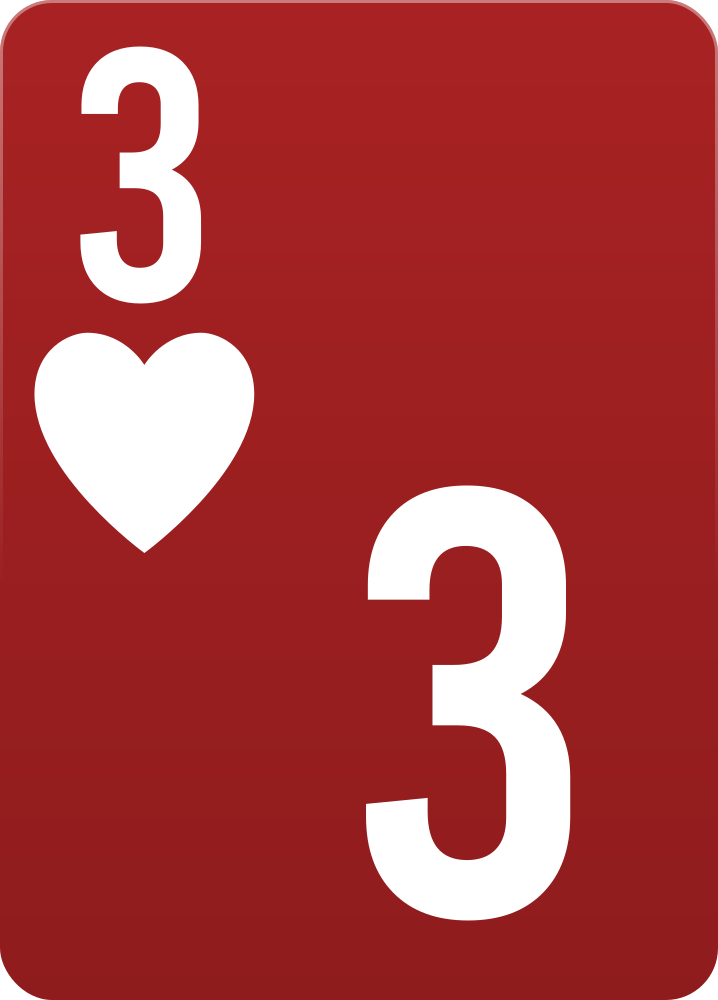
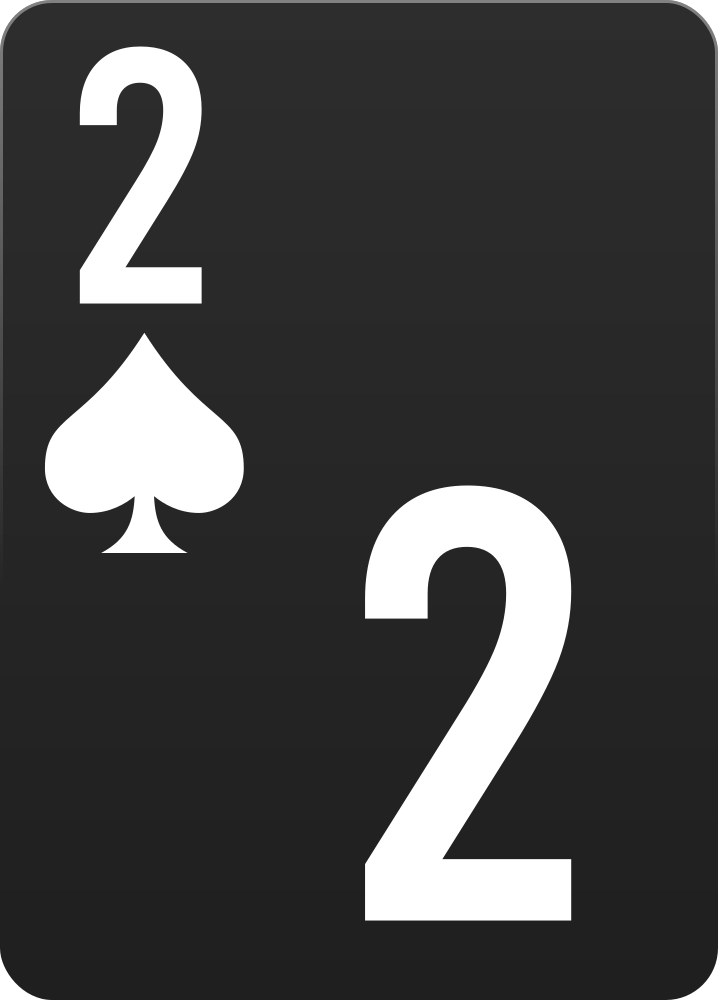
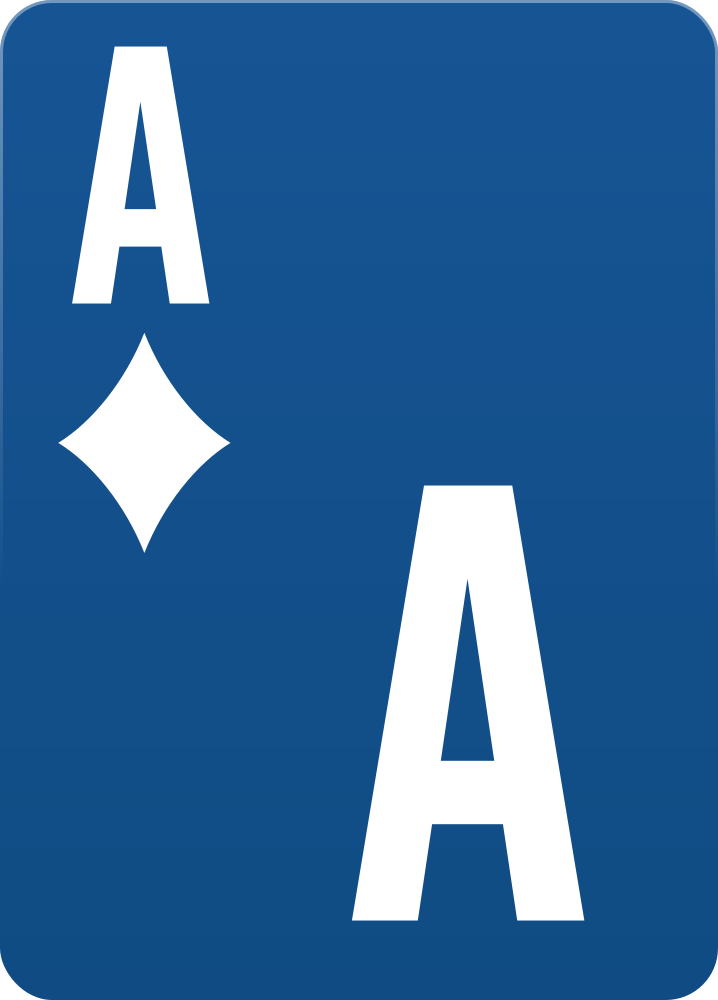
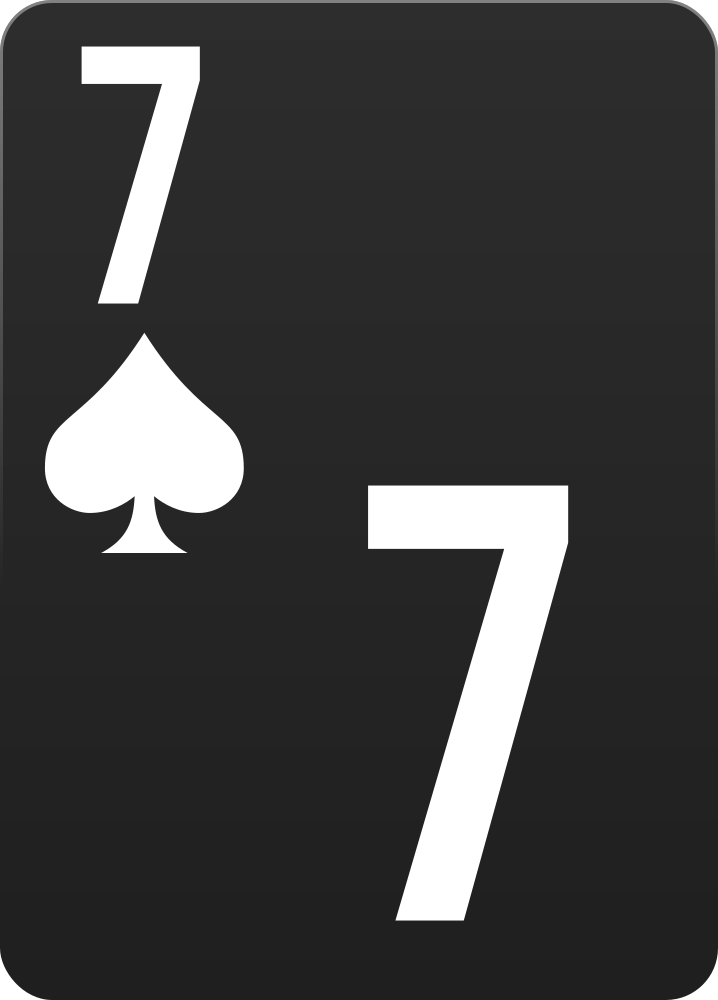
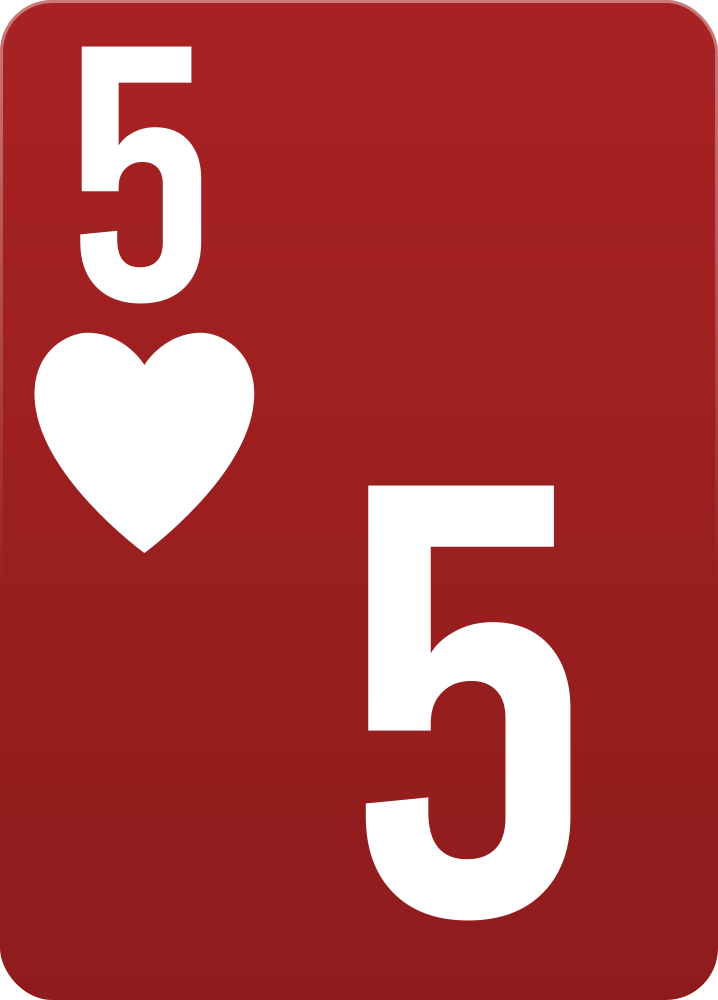
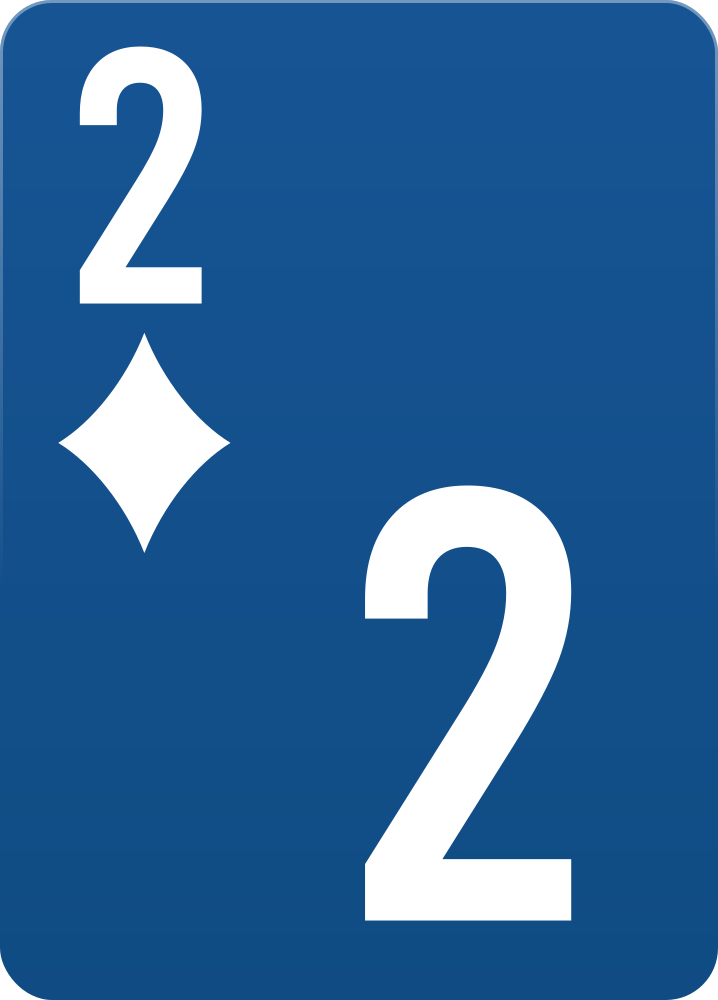
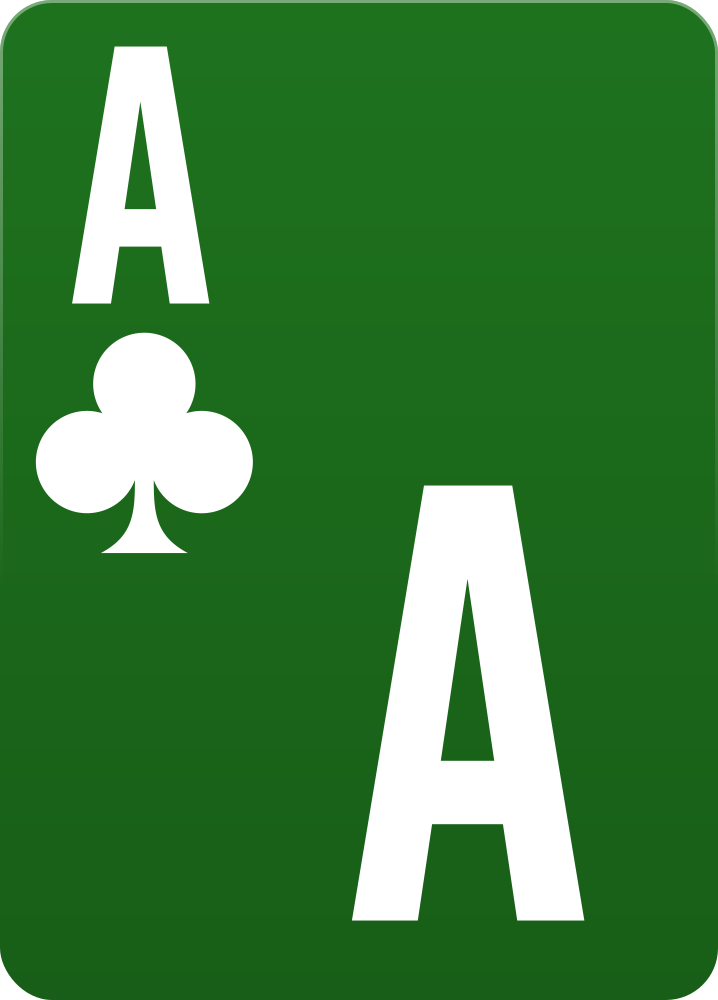
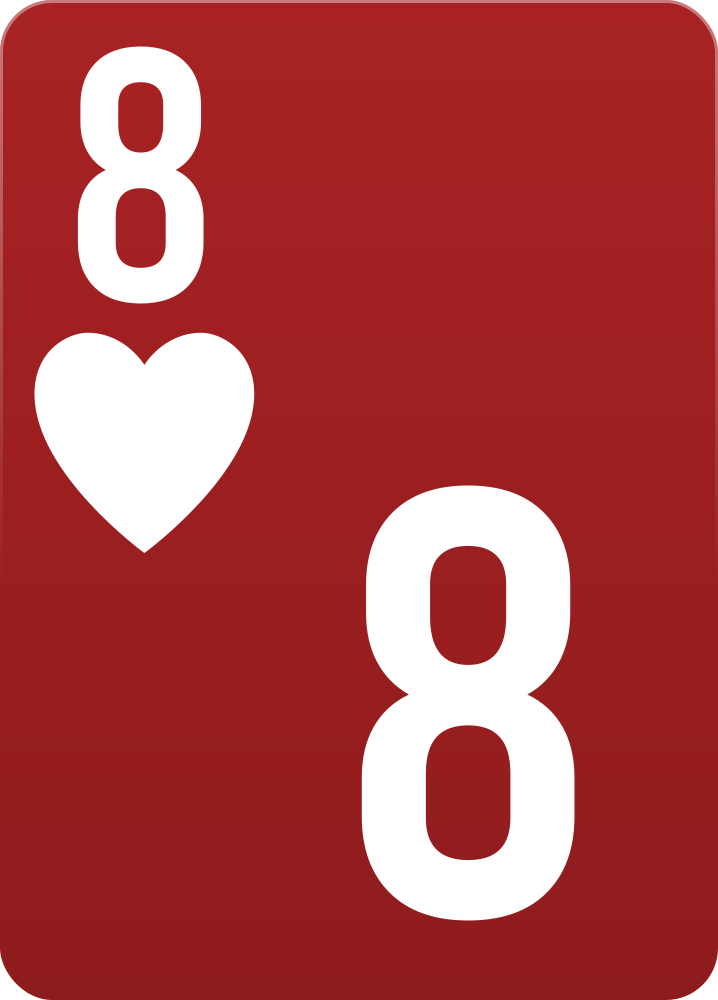
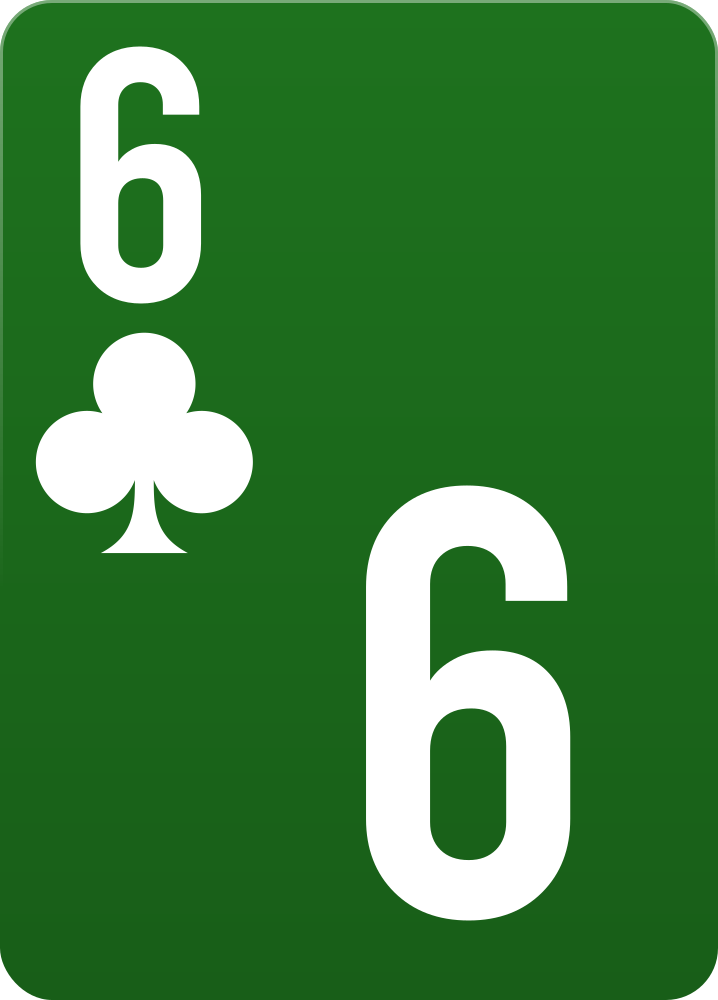
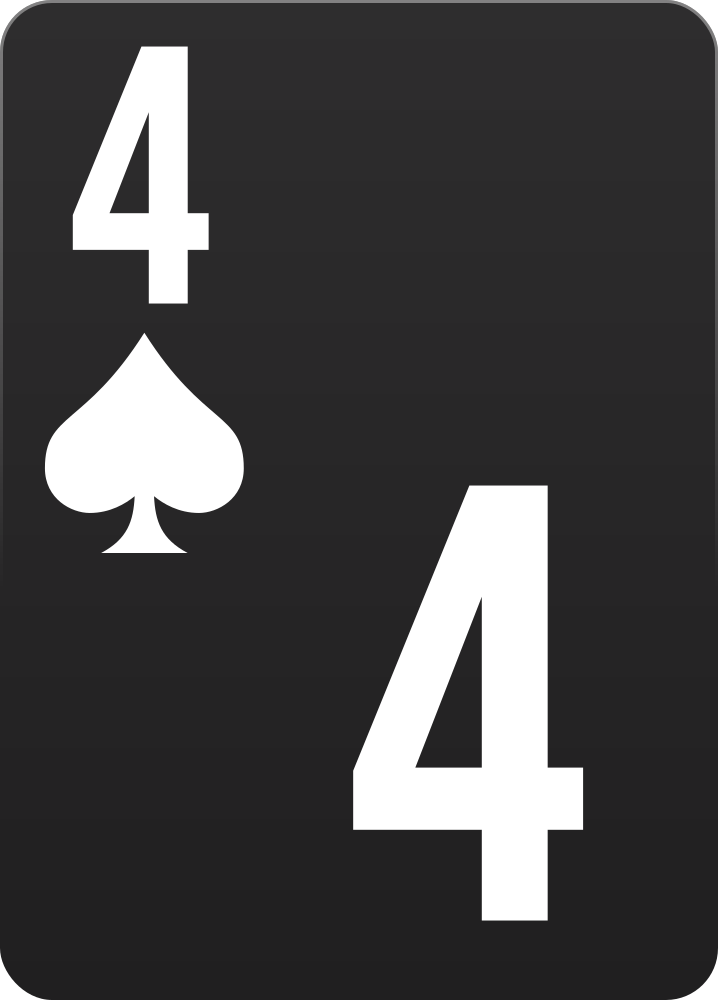
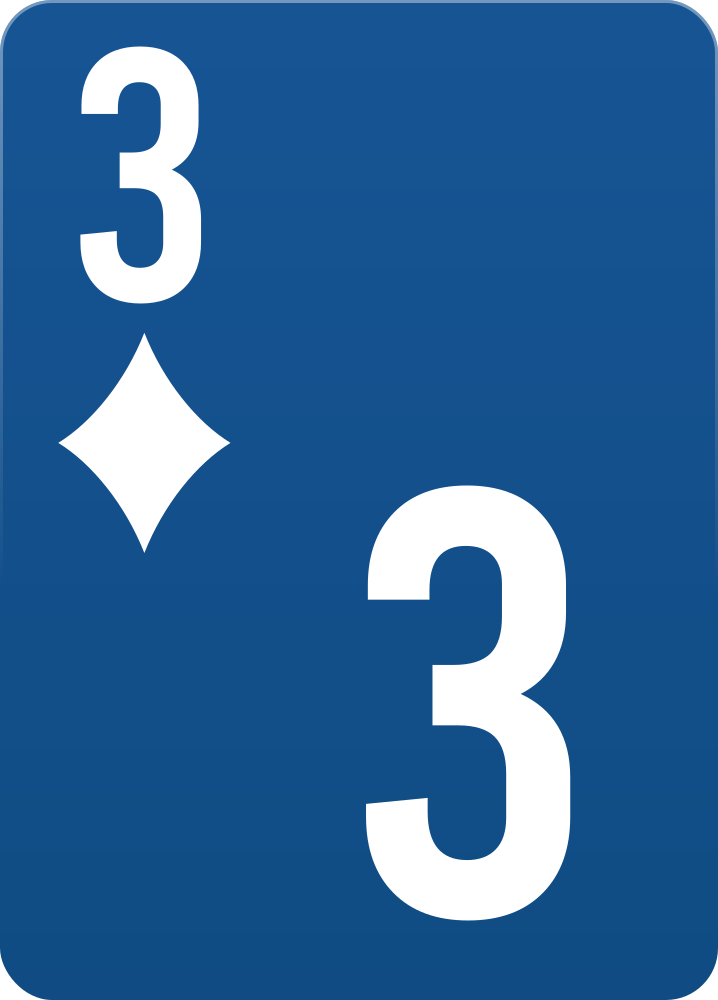
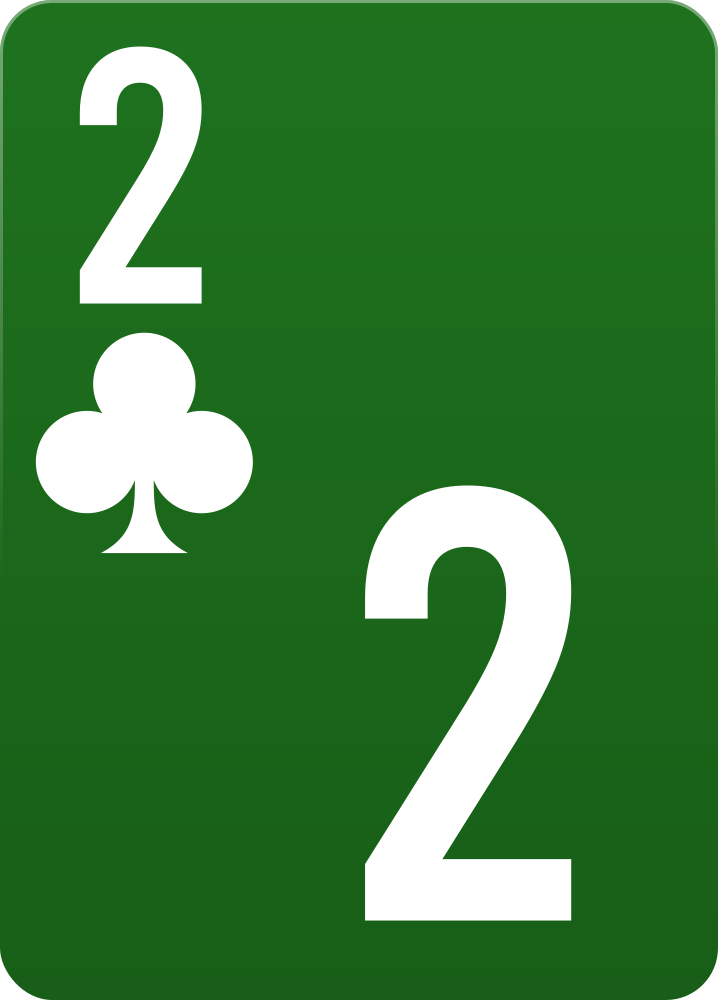
A low is named after its top card: an eight-low, a seven-low, a six-low. The lower the top card, the stronger the hand, and nothing beats the wheel.
The 2 + 3 rule applies to both halves
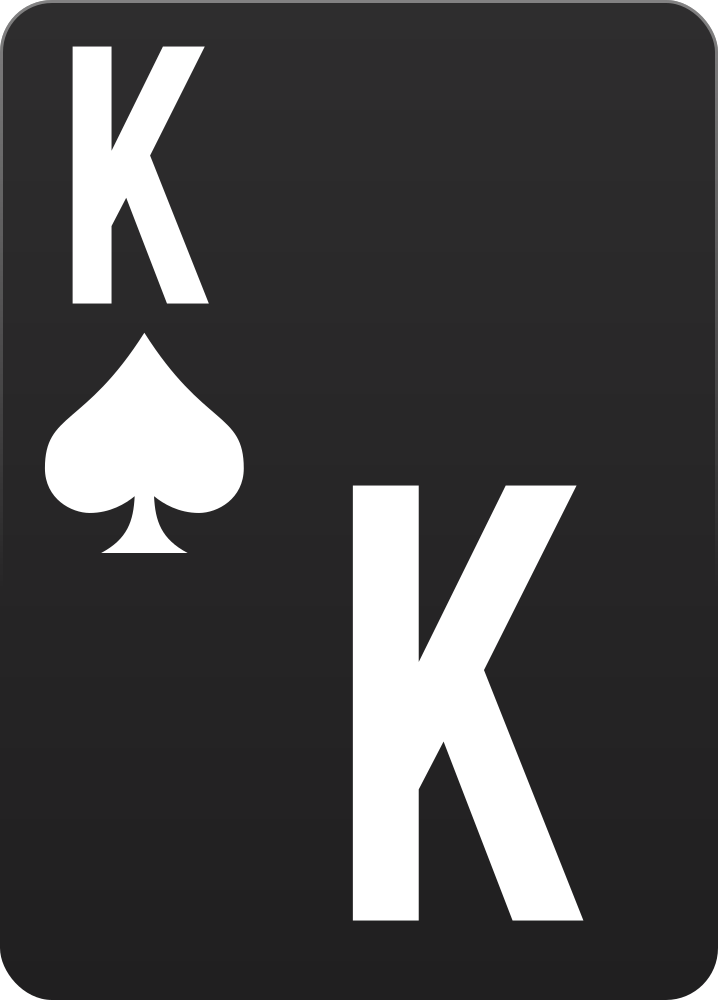
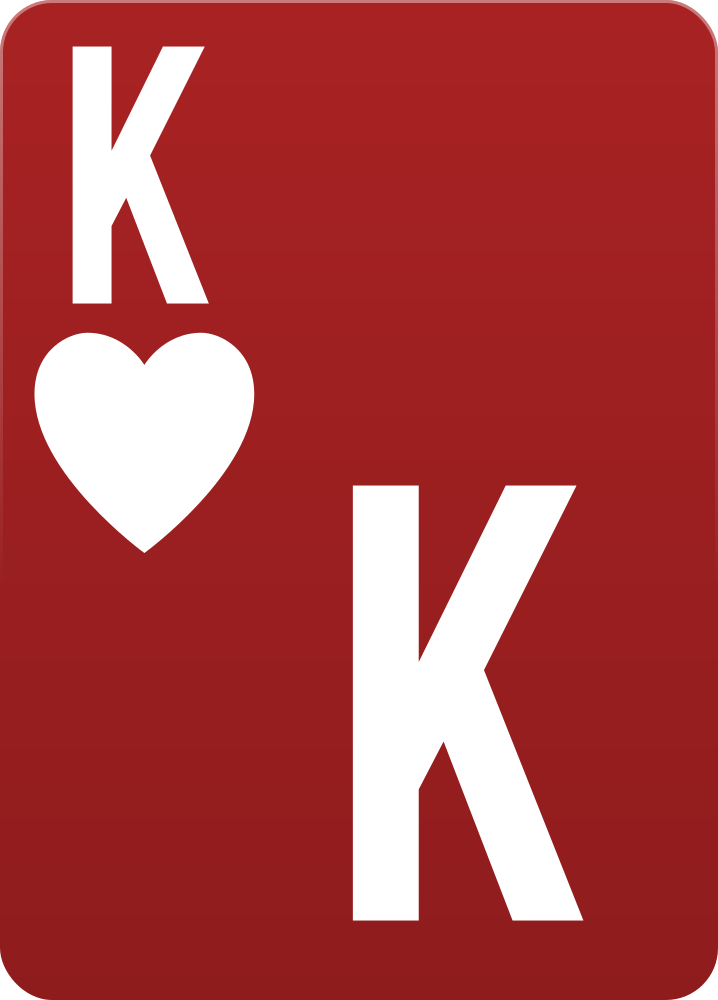
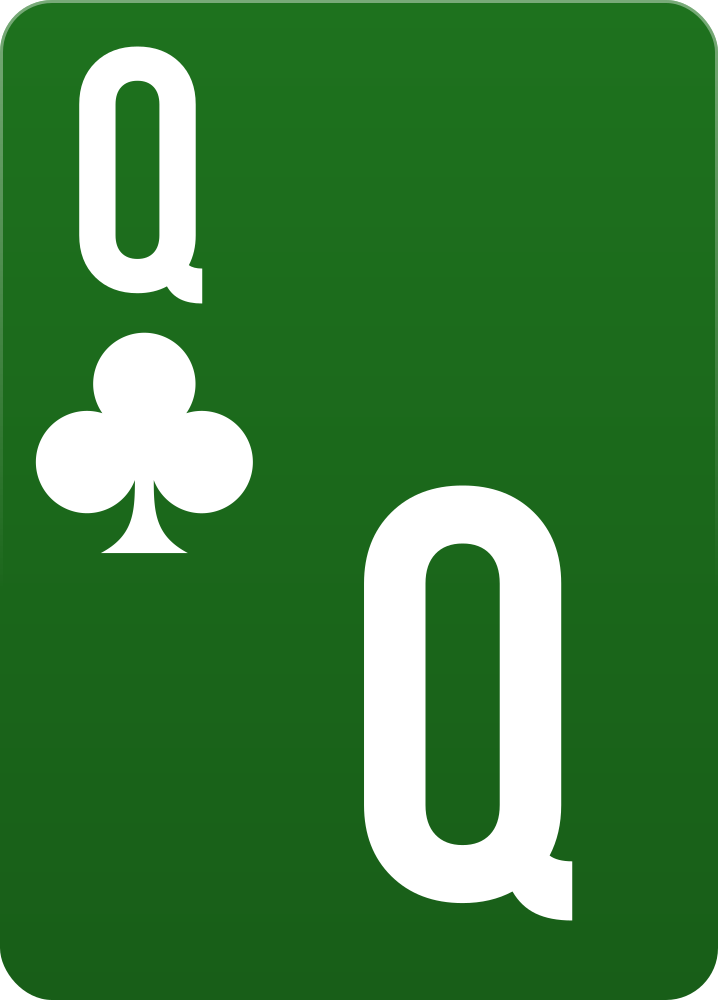
The key difference from regular Omaha: you pick cards for high and for low independently. Each is exactly two hole cards and three board cards, but the pairs can differ. With A2KKQ on a 378KJ board, A2 makes the low 8732A. KK makes the high, a set of kings.
A common mistake: the low on the board
Beginners often read only the board. Even with A2345 on the table you may not have the wheel. You still need exactly two hole cards, both low and of different ranks from the three board cards in your low. With KKQJ9 on that board you have no low at all. With 67KQJ your best low is 7632A: the six and seven from your hand plus A23 from the board.
When there is no low
A low is only possible if the board has at least three different ranks from ace to eight. With fewer, nobody can make a low and the best high hand takes the whole pot.
| Board | Low possible? | Why |
|---|---|---|
| A47KQ | Yes | Three different low ranks: A, 4 and 7 |
| 338JK | No | Only two low ranks: 3 and 8 |
| 256910 | Yes | Three low cards: 2, 5 and 6 |
| KQ972 | No | Only two low cards, so high takes it all |
How the pot splits: three worked hands
Below are three PLO5 Hi-Lo hands where every player put in the same amount. Each player’s best high and best low are shown, and the bar shows who gets which share of the pot.
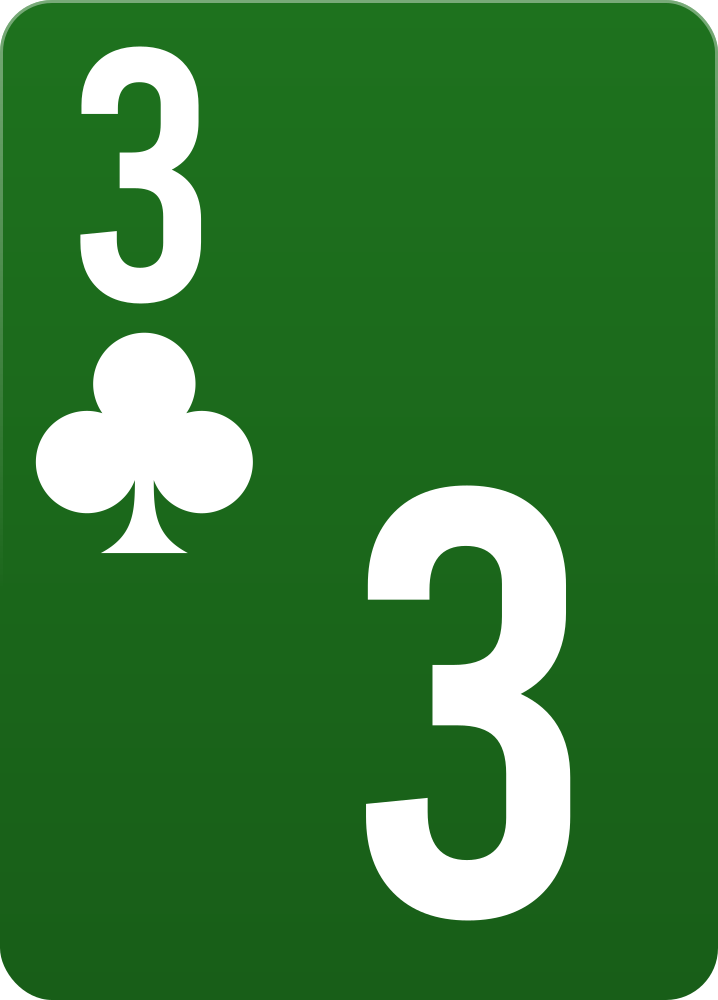
Player A’s deuce and four with the A35 on board make a five-high straight, which beats the set of aces. The same cards make the wheel, the best possible low. Player A wins both halves and takes the whole pot. That is a scoop, and it is what you play for in Hi-Lo.
The set of kings wins high and the eight-low wins the other half. Each player gets 50% and both get their money back.

Both players hold the same 7432A low, so the low half is split again. Player B takes the high plus a quarter for the low, 75% in total. Player A is left with a quarter. That is quartering: Player A put in half the pot and got back a quarter, despite “winning” the low.
Counterfeiting: when the board devalues your low

On the 348 flop the A2 holds the nut low, 8432A; nothing better is possible on that board. The 2 on the turn changes everything. Your low stays the same, but now an opponent with A5 has the wheel, and A6, or a five with a six, beats you too. A board card matched your low card and devalued it. This is called counterfeiting.
The protection is a third low card in your hand. With a five instead of one of the kings, you would have the wheel on that turn: A5 from your hand and 234 from the board. That is why hands with three low cards, such as A24 or A25, are worth more than a bare A2.
Hi-Lo versus regular Omaha
| Regular Omaha | Omaha Hi-Lo | |
|---|---|---|
| Who wins the pot | The best high hand | Half to the best high, half to the best low |
| Low hand | Does not play | Five different cards to eight |
| If there is no low | Not applicable | The high hand takes it all |
| Valuable cards | High, connected, suited | Aces, deuces, treys and a suited ace |
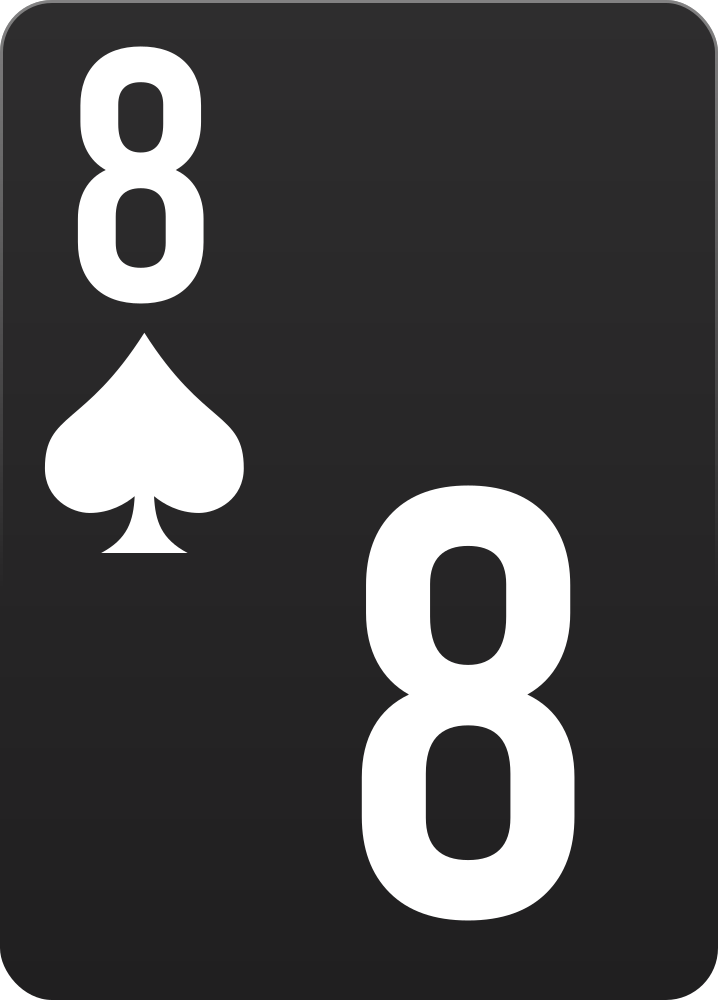
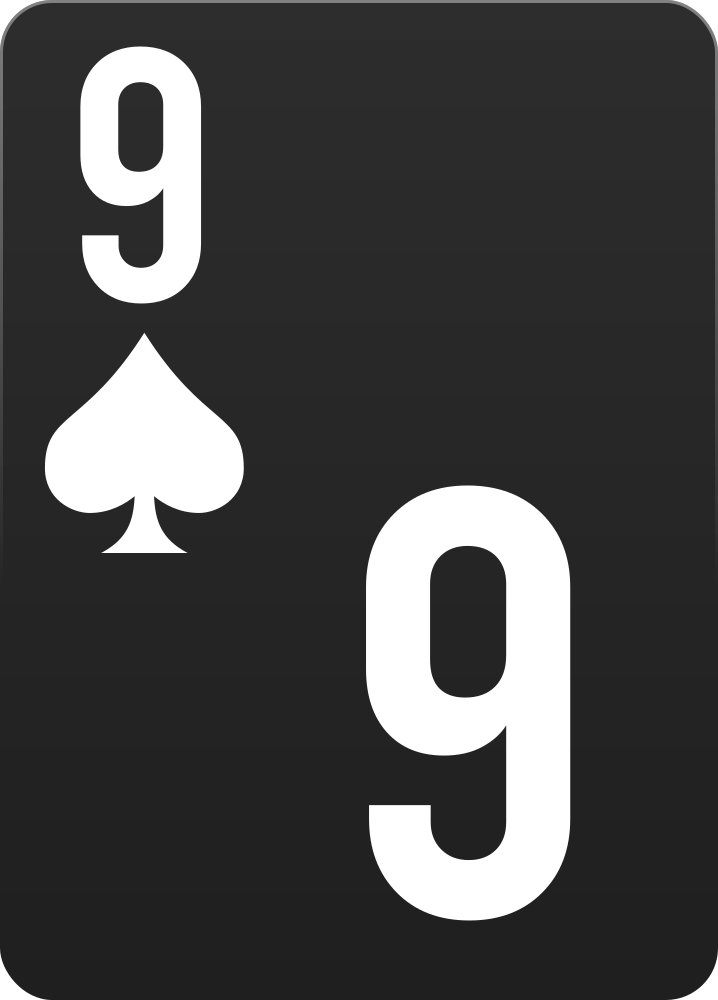
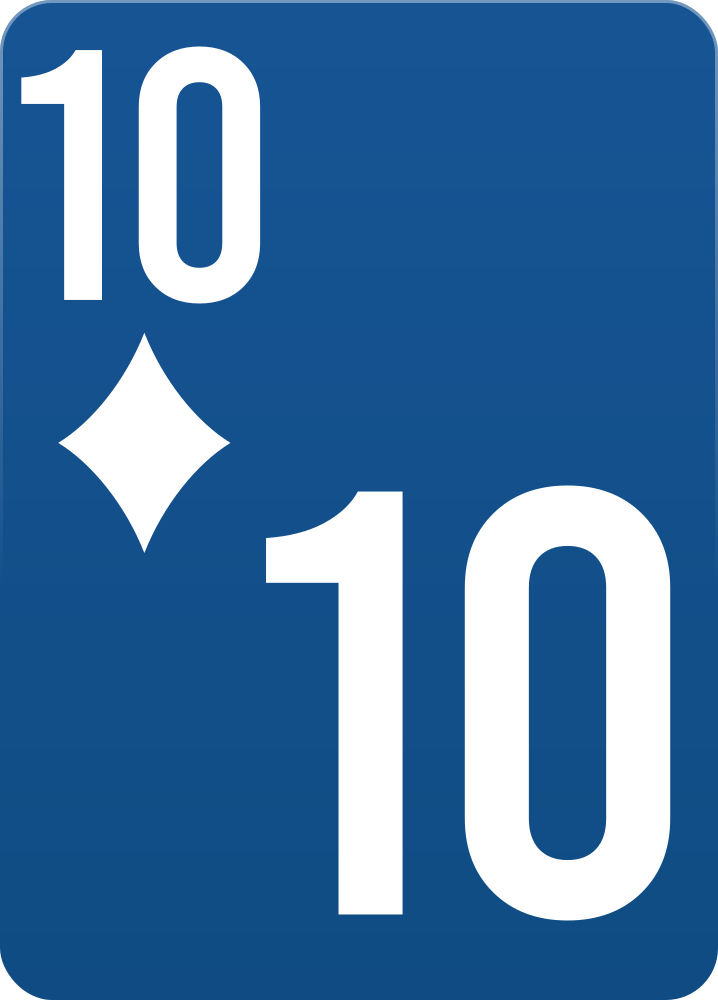
| 9, 10, J | Good for straights | Weak: no low and rarely the nuts |
| Main goal | Make the nuts | Scoop, winning both halves |
PLO5 Hi-Lo (Big O) and PLO6 Hi-Lo
Both versions run in MOJO : MU with the same low and split rules. But the more cards each player holds, the more often opponents have both a strong high and a good low. In PLO6 Hi-Lo you need the nuts more often and split halves more often.
| PLO5 Hi-Lo (Big O) | PLO6 Hi-Lo | |
|---|---|---|
| Hole cards | 5 | 6 |
| Two-card pairs per hand | 10 | 15 |
| Low that usually wins | The nut low or the second nuts | Almost always only the nut low |
| Stakes in the club | 0.25/0.50 to 1/2 | 0.25/0.50 to 0.50/1 |
PLO5 Hi-Lo, or Big O
Many rooms and clubs call five-card Omaha Hi-Lo Big O. A strong Big O hand holds A2 or A3 with another low card and a suited ace, for example A24KQ. It has two ways to make a low, a nut flush draw and high cards for the high half.
PLO6 Hi-Lo
With six cards almost everyone has a decent hand, so second-best lows and middling flushes often lose. Play hands with A2, a backup low card and nut potential for high, such as A235KQ. Scattered hands with one or two low cards are usually a fold.
Which hands to play

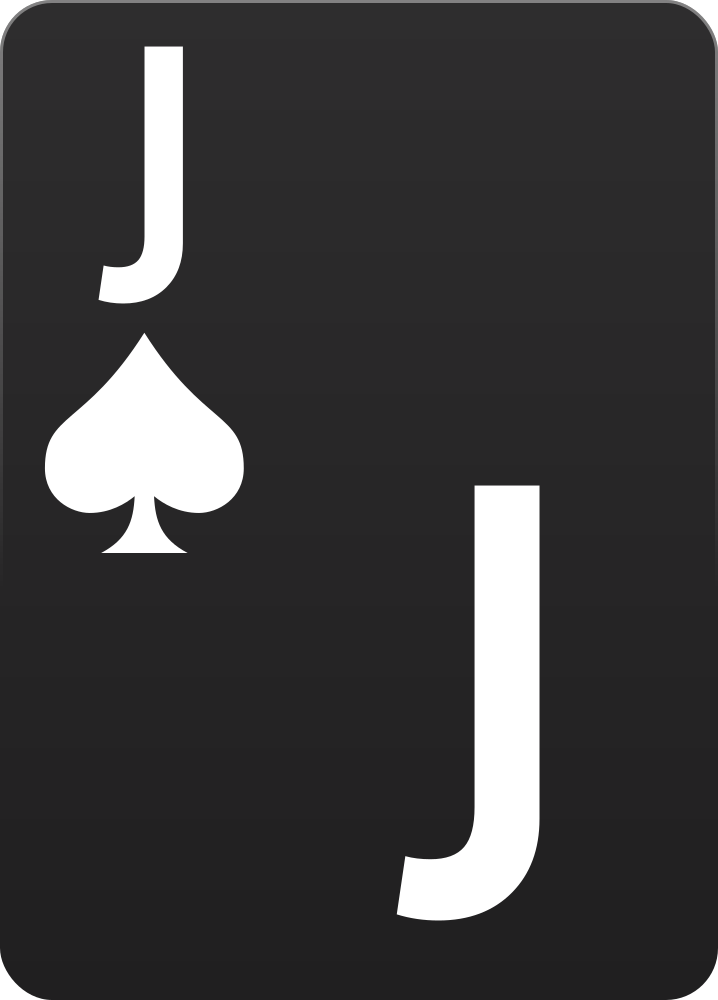
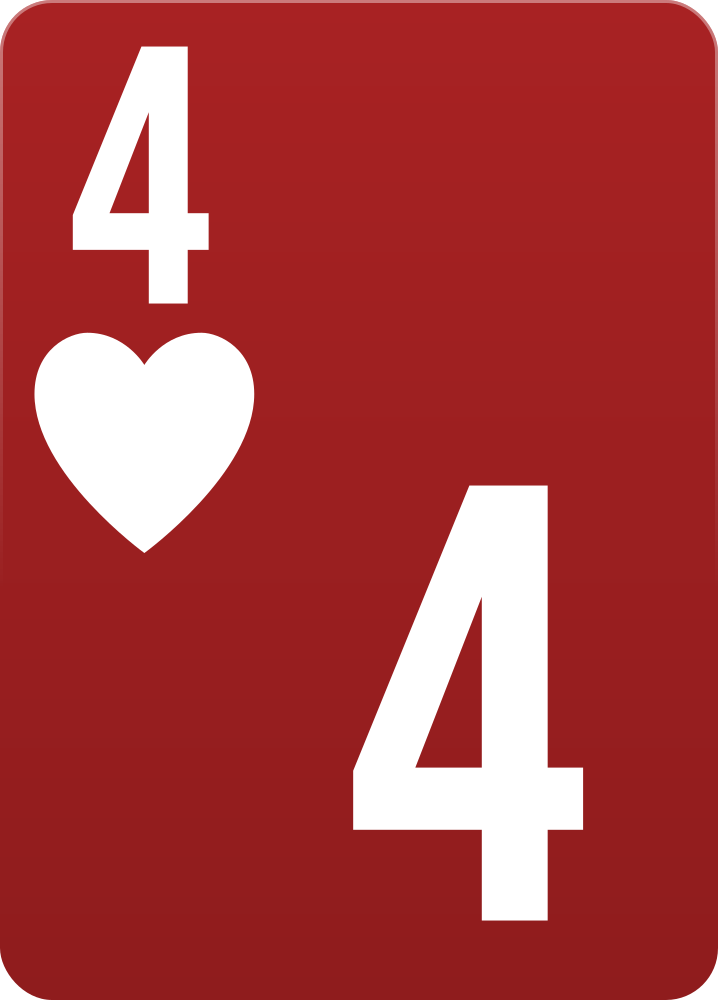
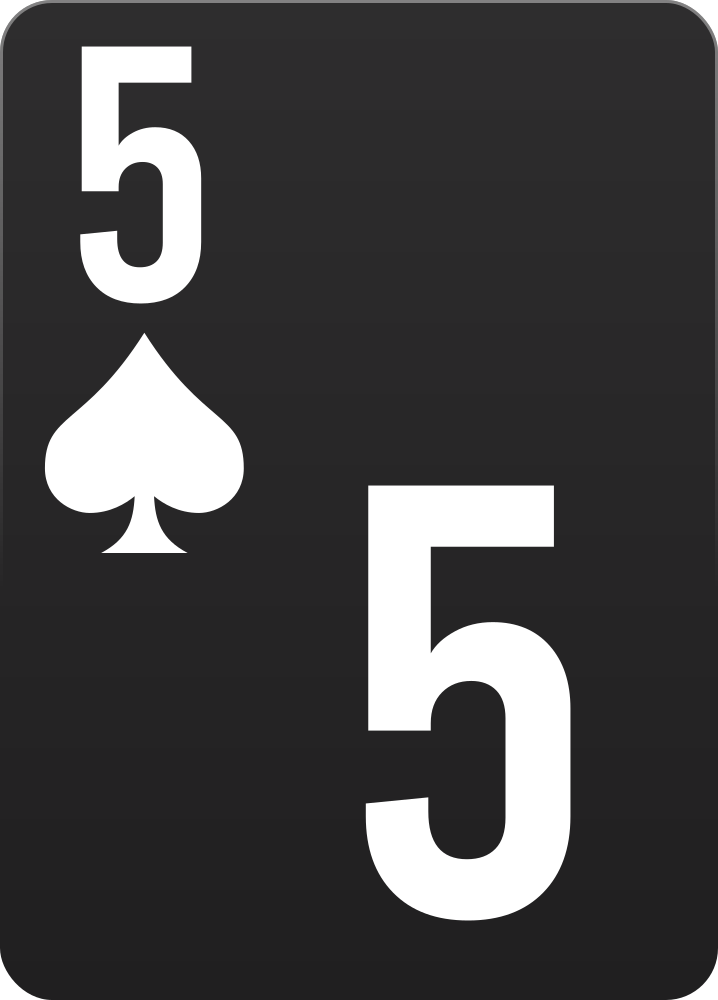
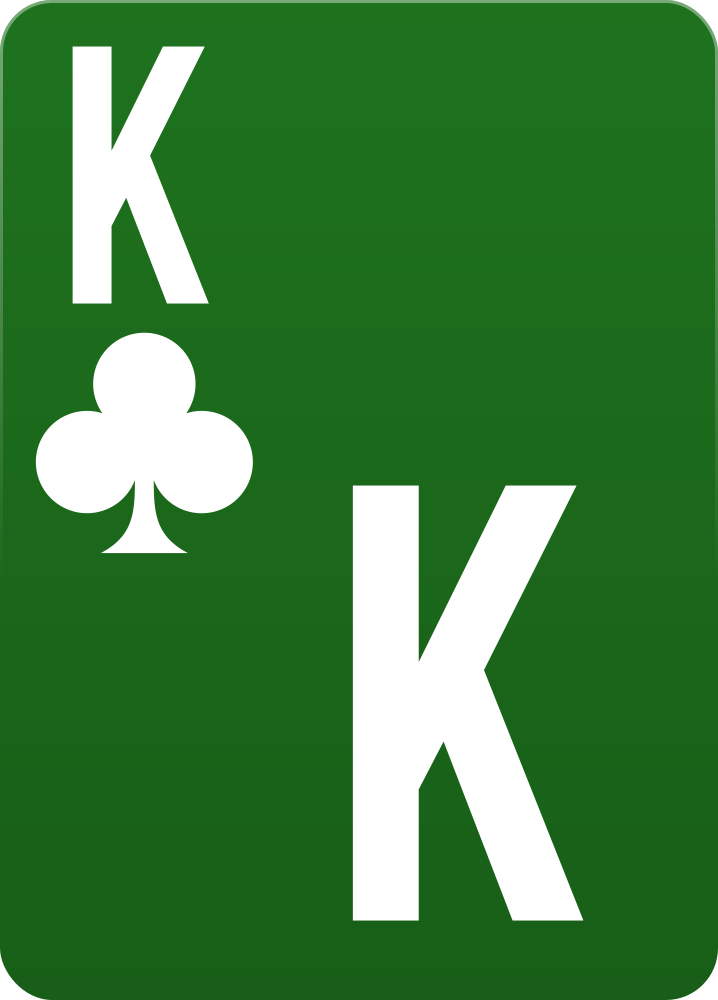

Starter tips
- Play to scoop. A hand that can only win half the pot rarely justifies a big investment.
- Aim for the nut low. In Hi-Lo the second-best low often loses or gets split.
- Read the board. With two or more high cards on the flop a low may never come, and the high decides everything.
- Once a low is impossible, play it like regular Omaha: the whole pot goes to the high hand.
- Be careful re-raising with only a low. The pot is split and you risk getting a quarter.
- New to Omaha? Learn PLO4 first, then add the low.
Table settings in the club
Every table in the lobby carries tags. Here is what they mean:
| Setting | What it means |
|---|---|
| Ante | A small forced bet from every player before the deal. Pots are bigger from the start, so playing more hands pays off. |
| Run it Multi-Times | When players are all-in before the river, the remaining cards can be dealt two or three times and the pot split by result. Lower variance, fewer bad beats. |
| VPIP requirement | The table requires each player to voluntarily put chips in a minimum share of hands, so nobody just sits and waits. |
| GPS & IP restriction | Players on the same IP or located close to each other cannot sit at one table — protection against collusion. The private MOJO : ALLIN club has no such restriction. |
Where to play Omaha Hi-Lo
PLO5 Hi-Lo from 0.25/0.50 to 1/2 and PLO6 Hi-Lo from 0.25/0.50 to 0.50/1 run in MOJO : MU. The private MOJO : ALLIN club has no Hi-Lo; it plays Hold’em and regular Omaha.
Install ClubGG, join the club and message the manager — a seat and chips are ready within minutes.
FAQ
Other games in the club
Suit icons: skoll, game-icons.net (CC BY 3.0)