


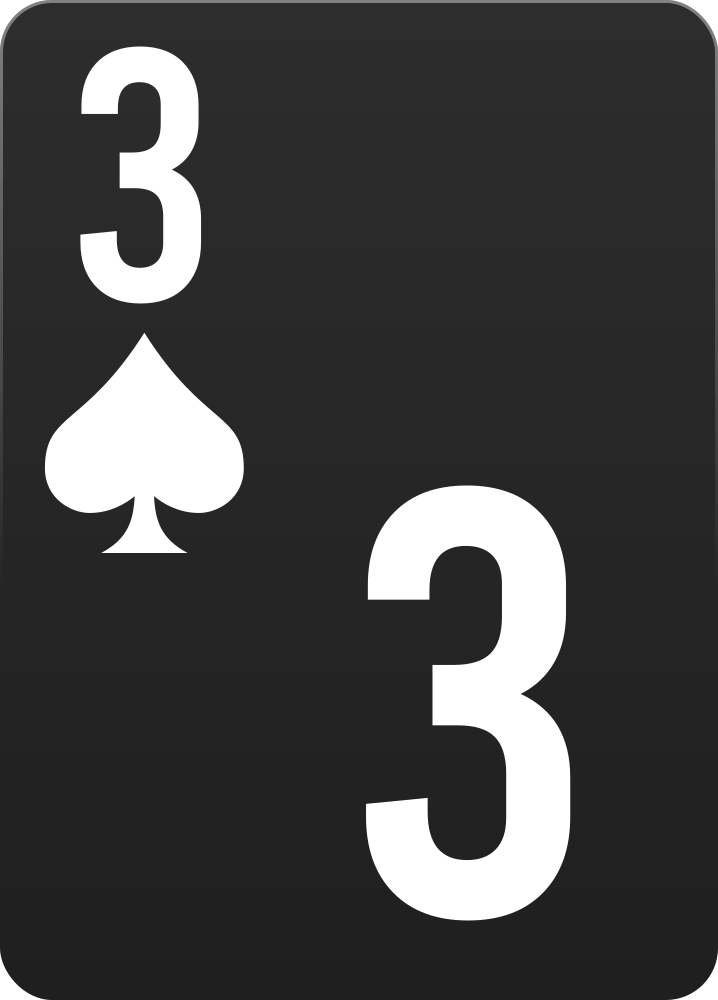
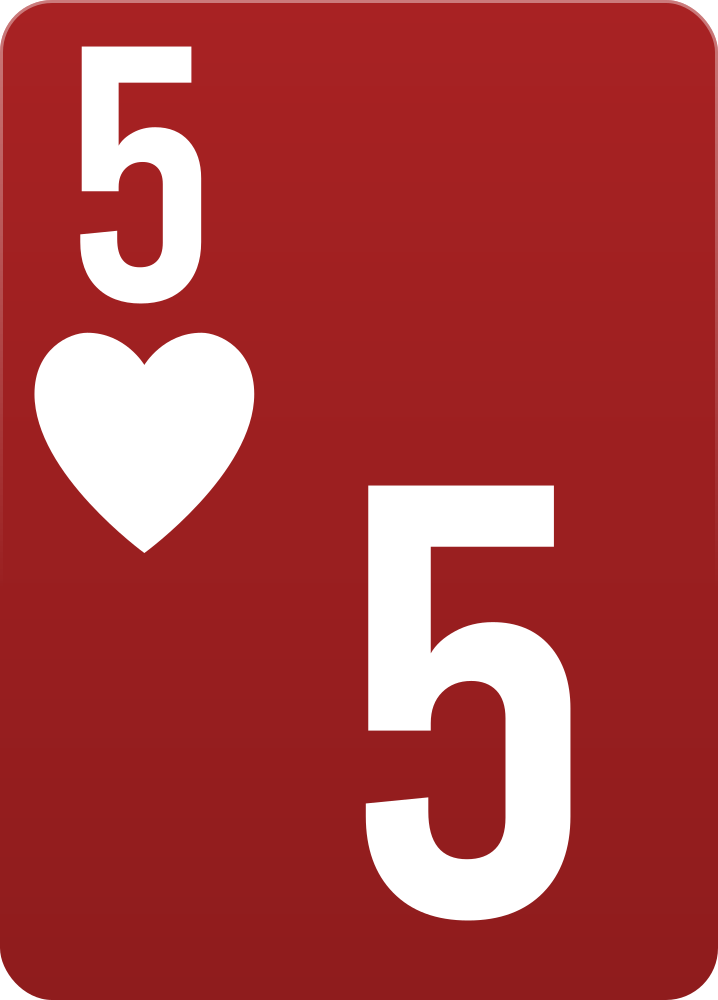
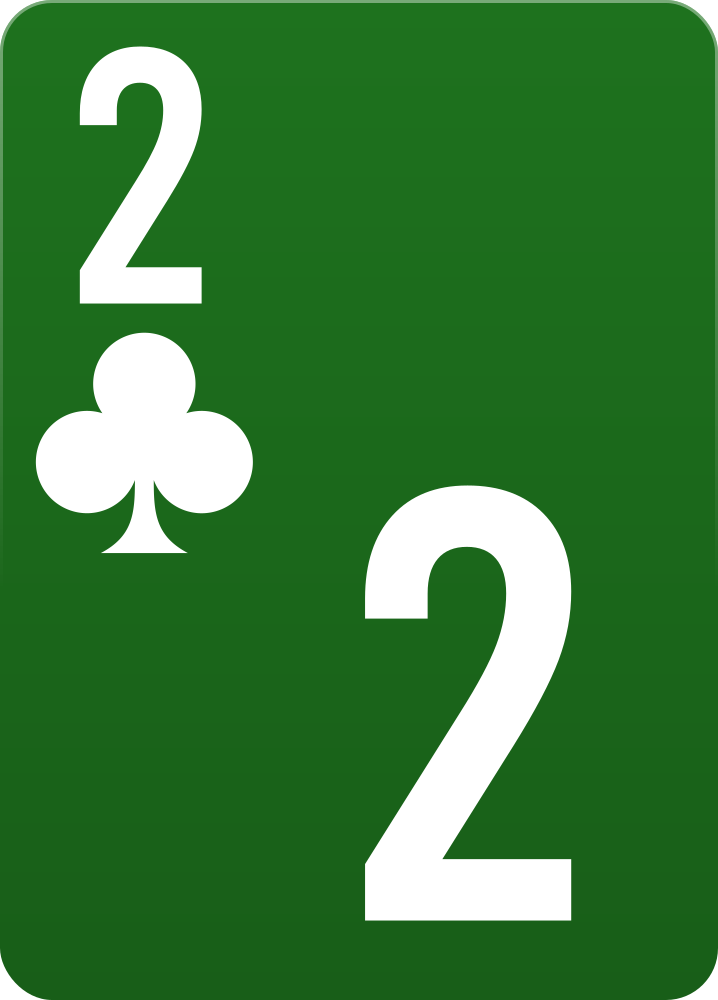
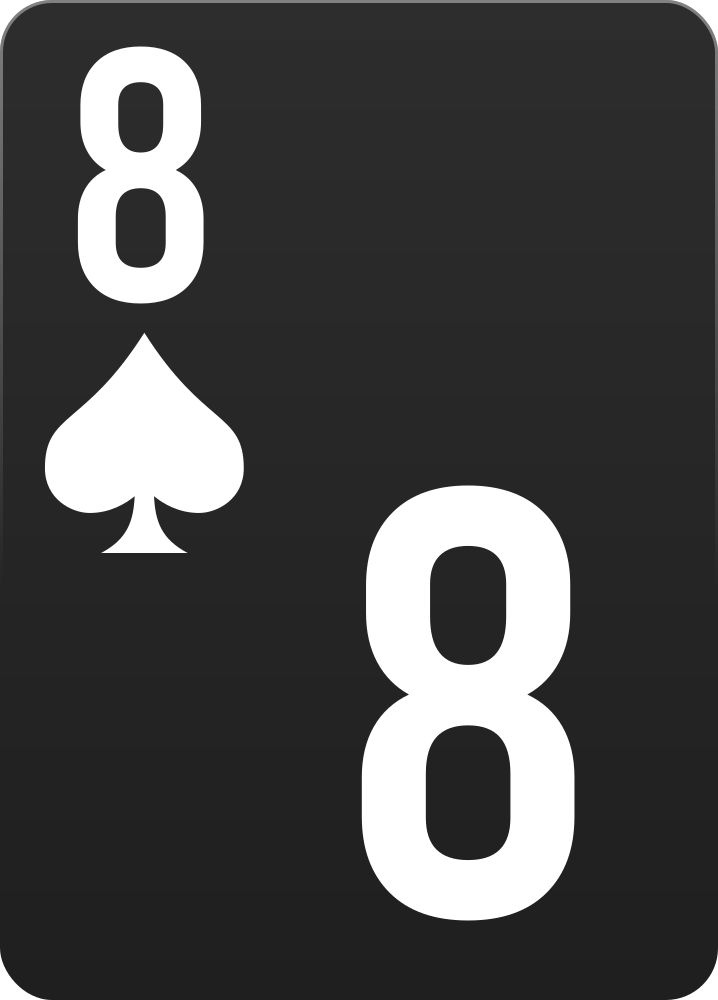
Why it is not a mistake
A mistake is a spot where a better decision existed. A cooler has none: a set, a flush or a full house is a hand you should play for all your chips. The loss is built into the deal before you act, so coolers are not reviewed as errors, just accepted as part of the game.
The most common coolers
| Cooler | Your odds |
|---|---|
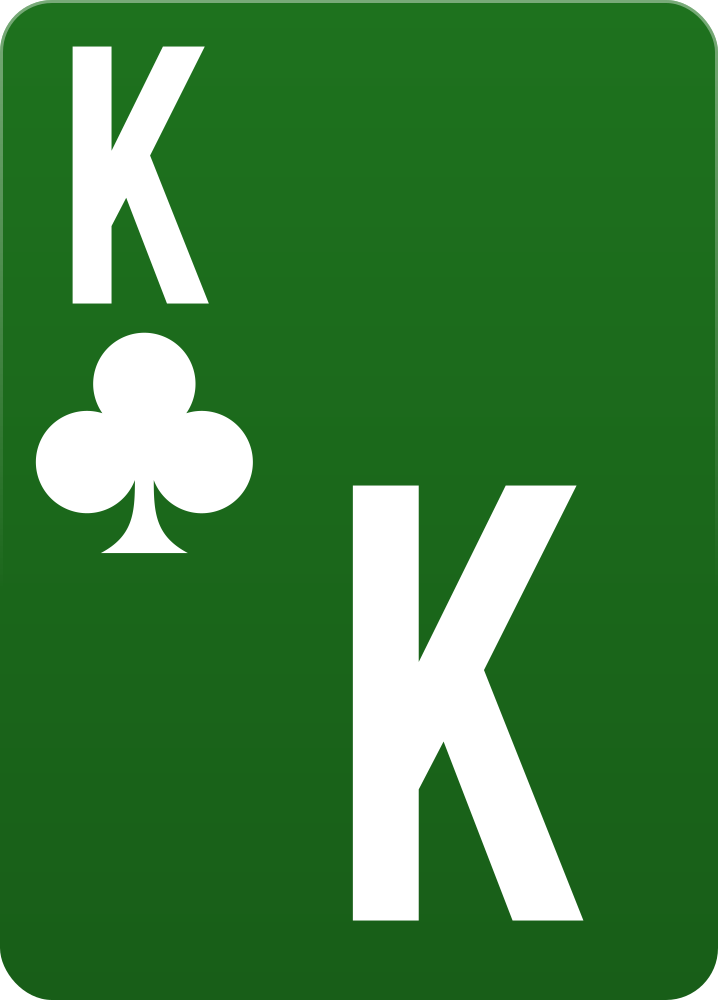
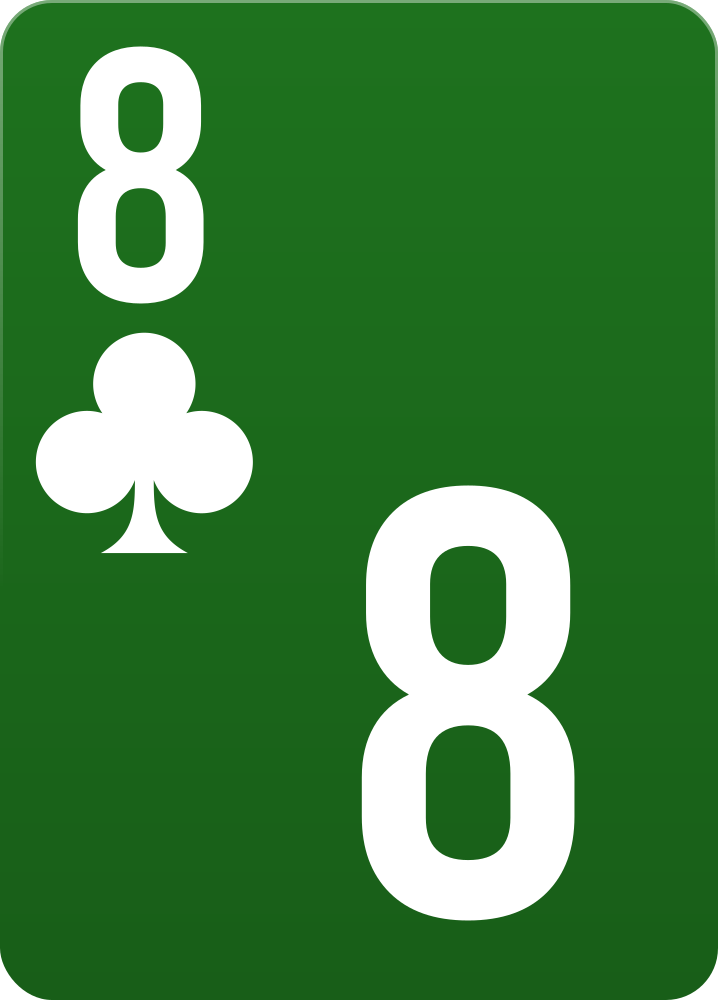
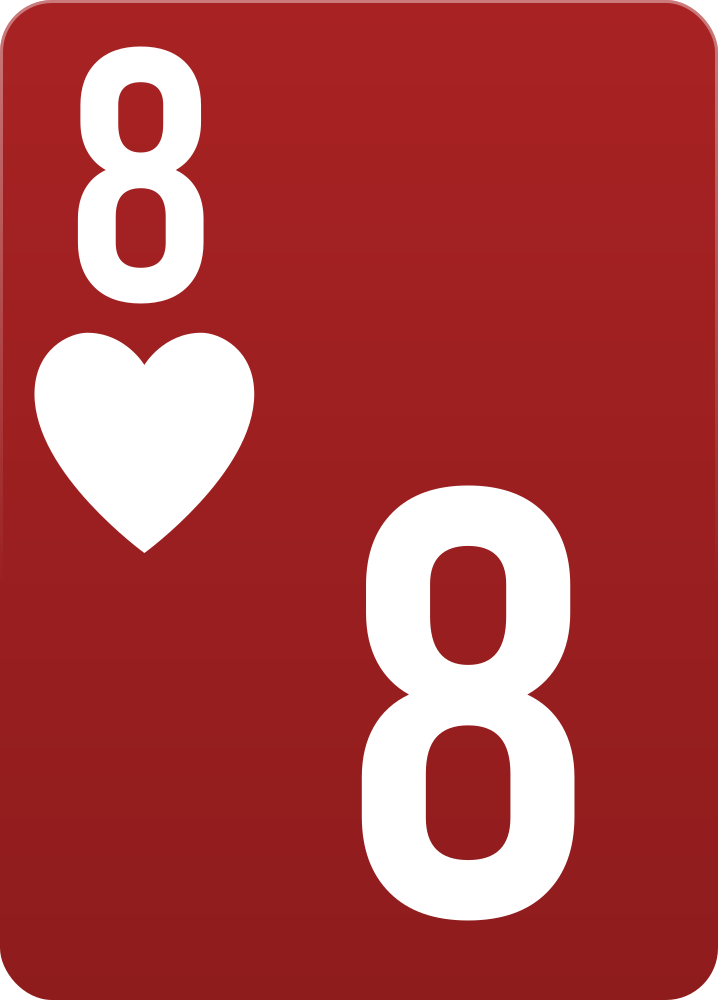
| Set over set: your set of eights against a set of kings, all-in on the flop | 4% |
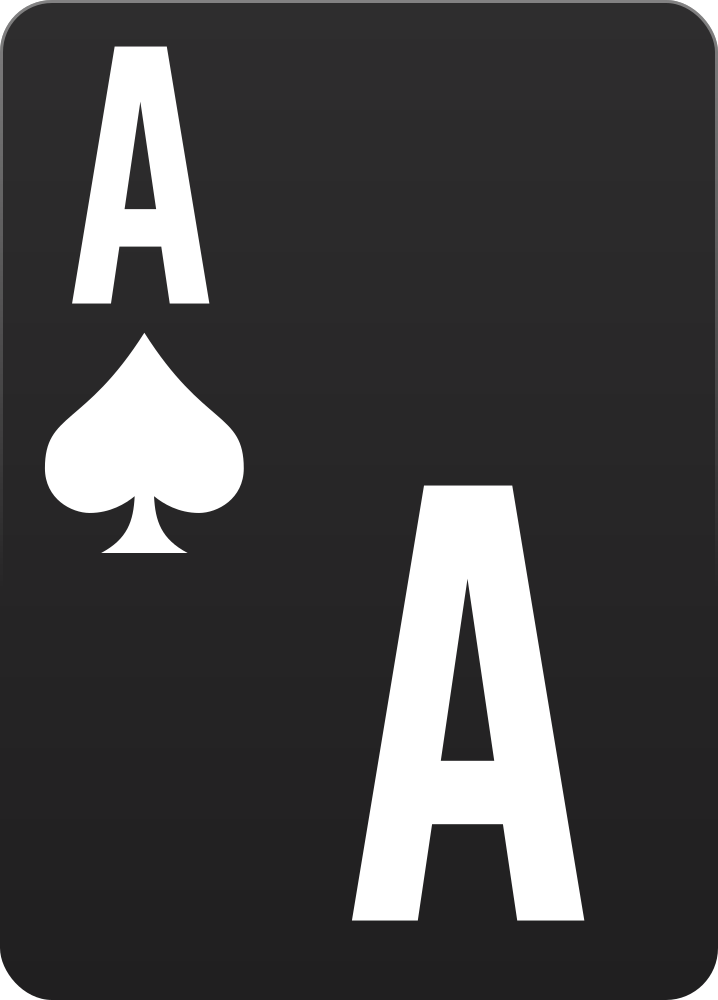
| Kings against aces: KK against AA preflop | 19% |
| Flush over flush: your queen-high flush against an ace-high flush | almost 0% |
| Full house against quads | 0% |
| Straight against a higher straight: nine-high against ten-high | almost 0% |
The odds are from the moment all the chips are in. For set over set and KK against AA they are counted exactly over every possible board.
Cooler or bad beat
The two words are often mixed up, but they mean opposite things.
- A cooler: you were behind from the start, you just could not know it. The opponent won as the favourite.
- A bad beat: you were a big favourite when the chips went in, but the opponent hit a card on the turn or river.
- One hand can be both. AA against KK preflop is a cooler for the kings. If a king comes on the river, it is a bad beat for the aces.
How often coolers happen
Each cooler is rare, but over thousands of hands they add up. They cause the biggest losing sessions, and they are part of variance: you play correctly and the short-term result is still bad.
How to handle a cooler
- Do not look for a mistake that is not there. Review the hand once; if folding was impossible, let it go.
- Do not change your game. Playing sets too carefully because of one set over set is an expensive leak.
- Watch for tilt. After a big cooler it is easy to chase losses. If that sounds familiar, read about poker tilt and take a break.
- Sometimes a fold is possible. A passive player who suddenly re-raises on the third street deserves thought. But in most coolers the chips go in correctly.
FAQ
Related terms
From check to satellite: short definitions and detailed explanations with card examples.