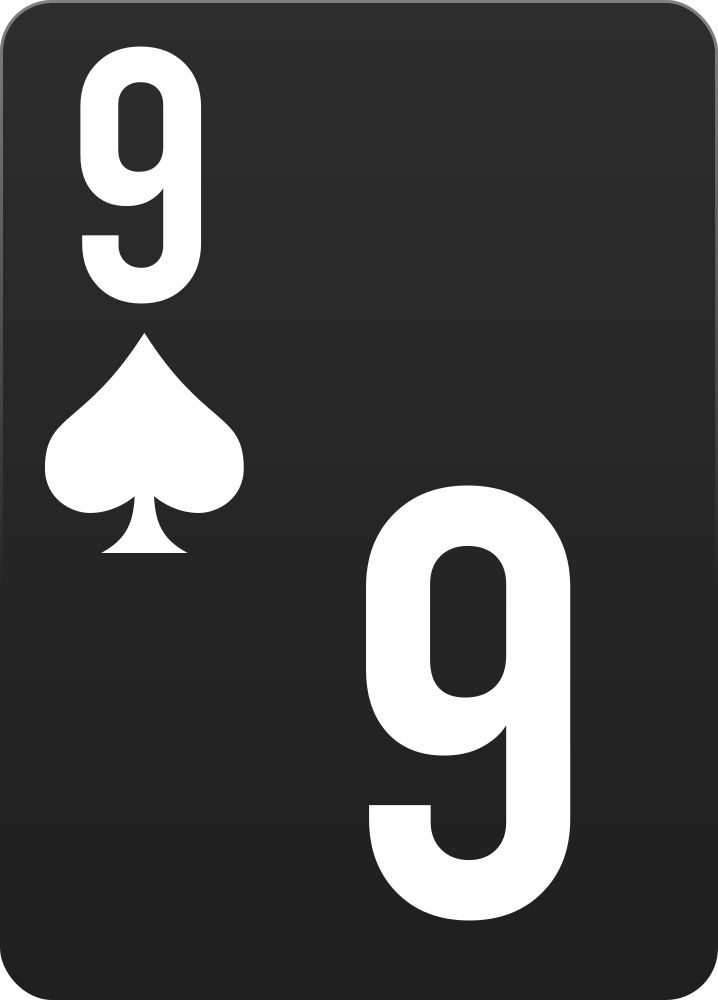
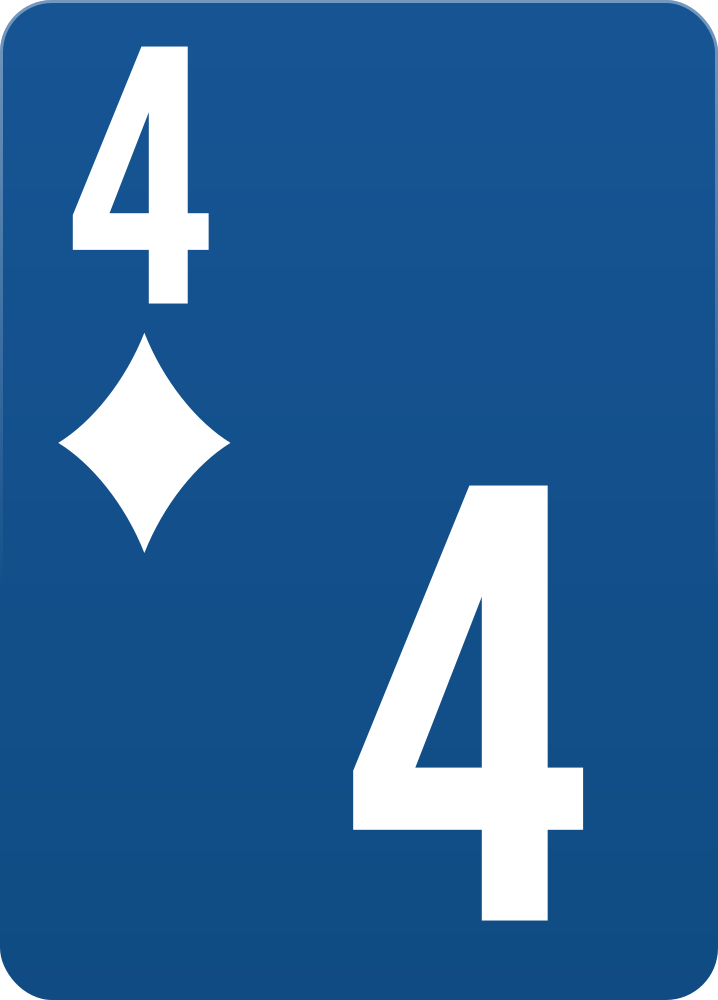
One hand is a coin flip
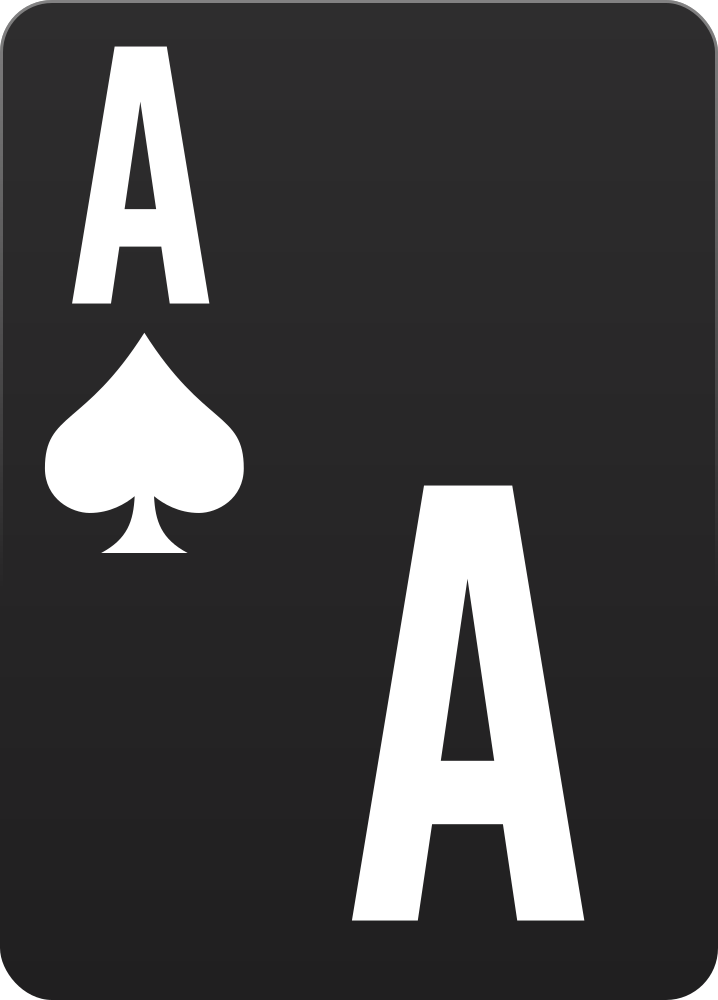
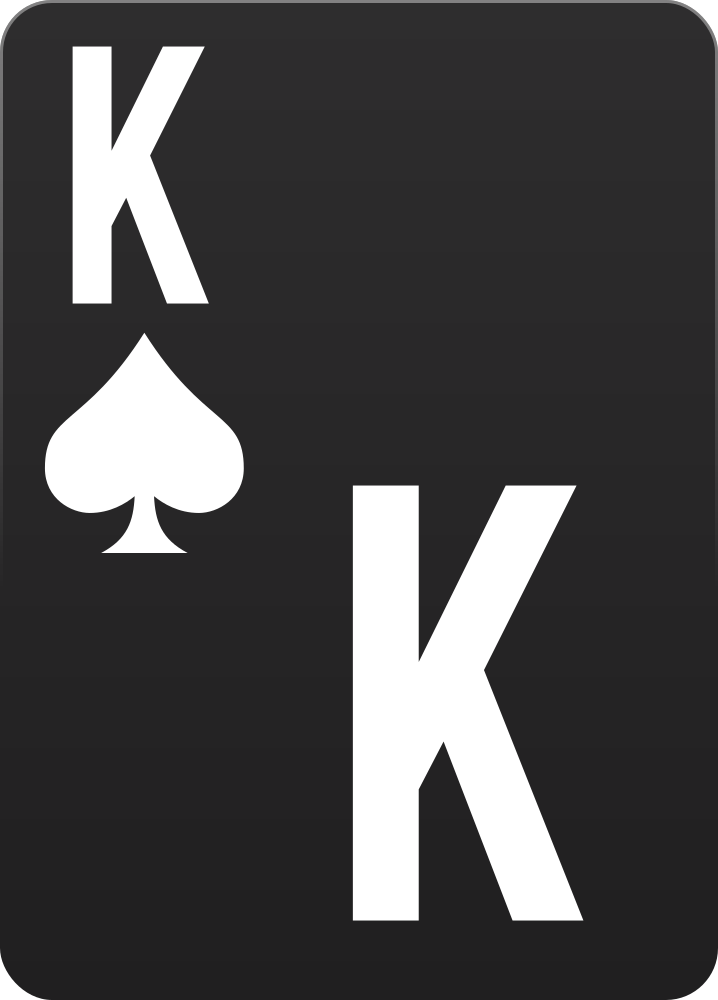
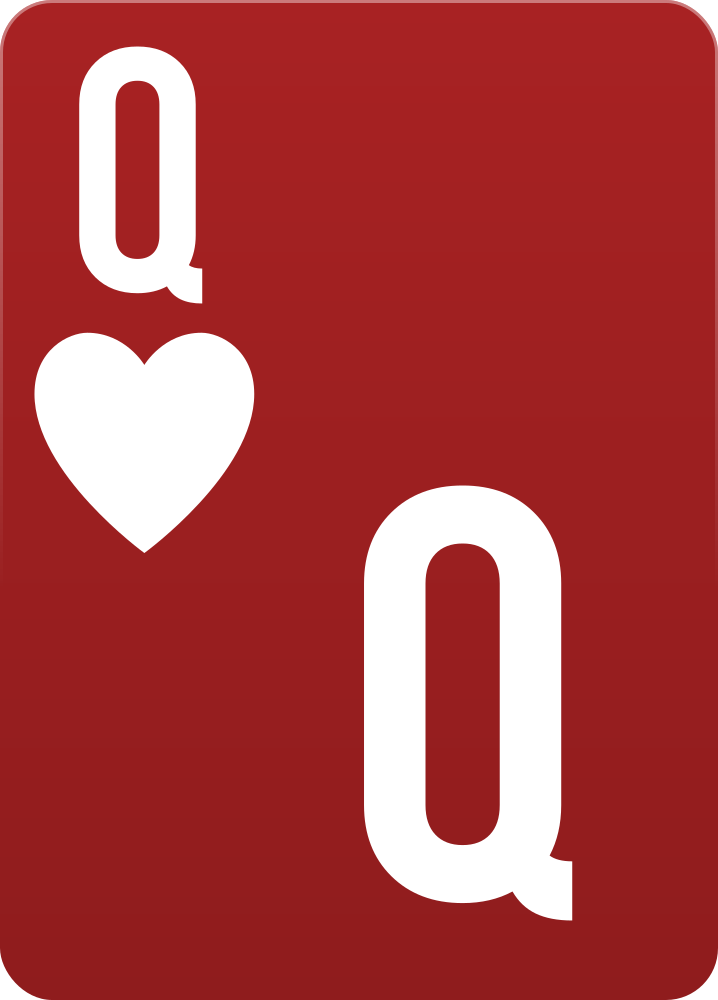
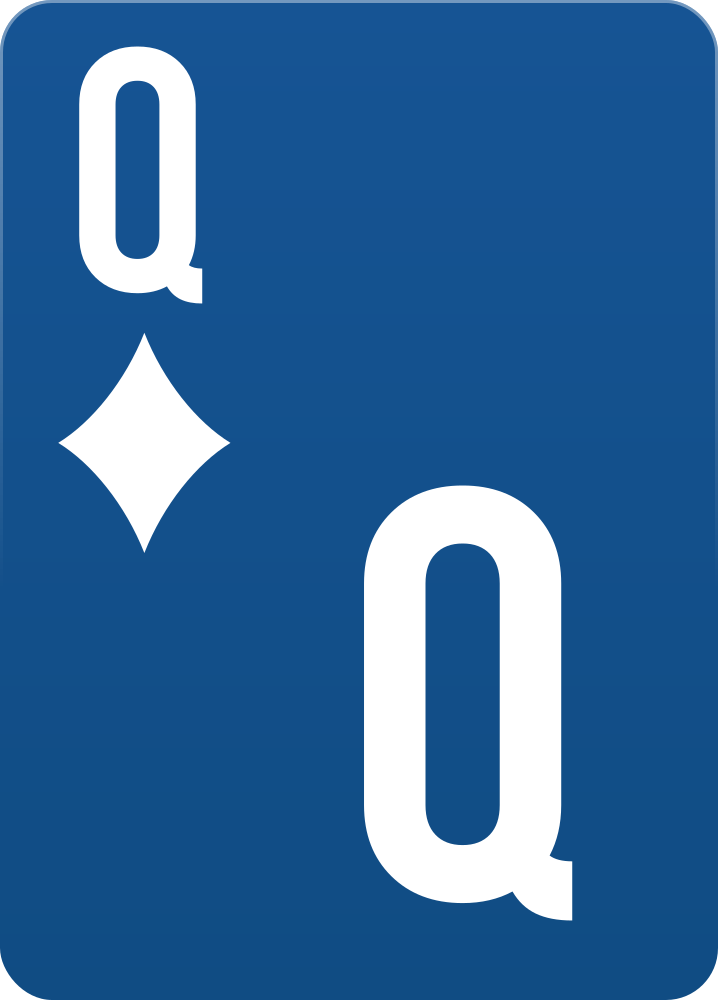
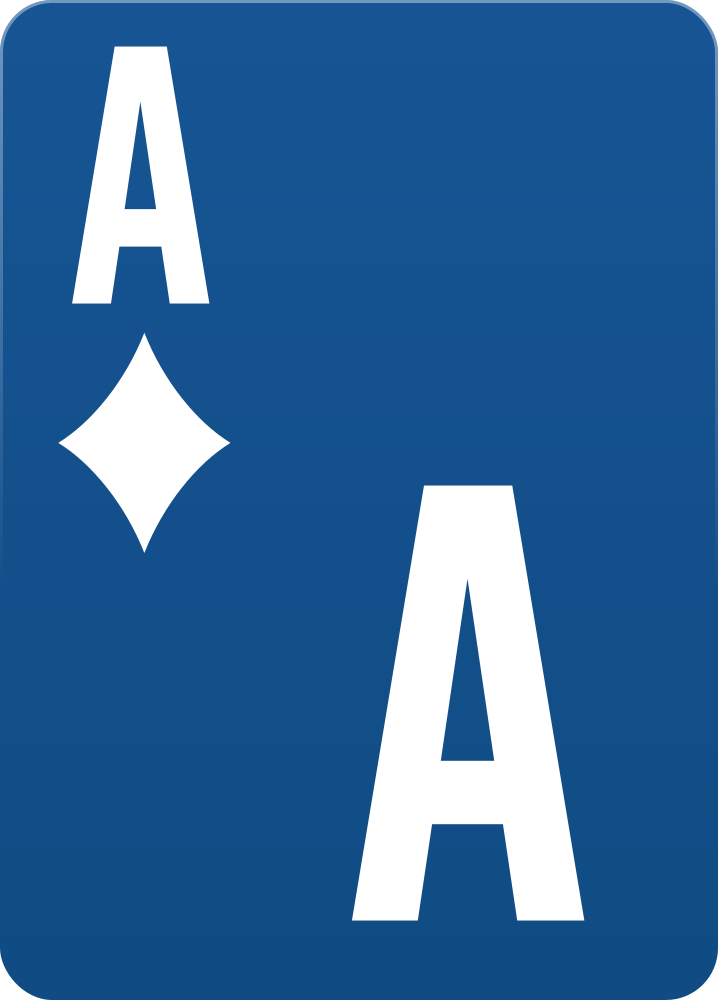
AK against QQ preflop: the pair has 54%, ace-king 46%. That is close to a coin flip, and any single hand can go either way. Play it a thousand times, though, and the pair wins about 536. That is poker: decisions are made on odds, and the odds only show over many hands.
How variance is measured
- Win rate: how many big blinds you win per 100 hands on average (bb/100). That is your real level.
- Standard deviation: how far a 100-hand result usually lands from the average. About 80–100 bb/100 in 6-max Hold’em and 120–150 bb/100 in Omaha, where big pots with close odds are more common.
- Sample size: how many hands you have played. The swings grow more slowly than the expected result, so over time skill outweighs luck.
Variance calculator
Set the win rate, the game and the number of hands. The chart shows 20 possible results for the same player.
For a player at +5 bb/100 in 6-max Hold’em the chance of being down is almost 30% after 10,000 hands, about 11% after 50,000 and under 1% after 300,000. Good play nearly guarantees a profit, but only over a long run.
Upswings and downswings
A downswing is a long losing stretch, an upswing a stretch of winning above expectation. Downswings of 20–30 stacks (2,000–3,000 bb) are normal even for strong players. They do not mean you got worse, just as an upswing does not mean you got better.
How to live with variance
- Keep a chip reserve. For cash games at least 30–50 full stacks of your stake; more for Omaha and tournaments. Then a downswing will not knock you out.
- Judge decisions, not results. A bad beat or a cooler is no reason to change your game.
- Run it twice. Running it twice on all-ins does not change your expectation but smooths the graph.
- Check your EV graph. It shows what you should have won from your all-in odds and separates luck from play.
- Do not chase. Downswings are the most common cause of tilt, and tilt turns variance into a real loss.
FAQ
Related terms
From check to satellite: short definitions and detailed explanations with card examples.