Game and formats
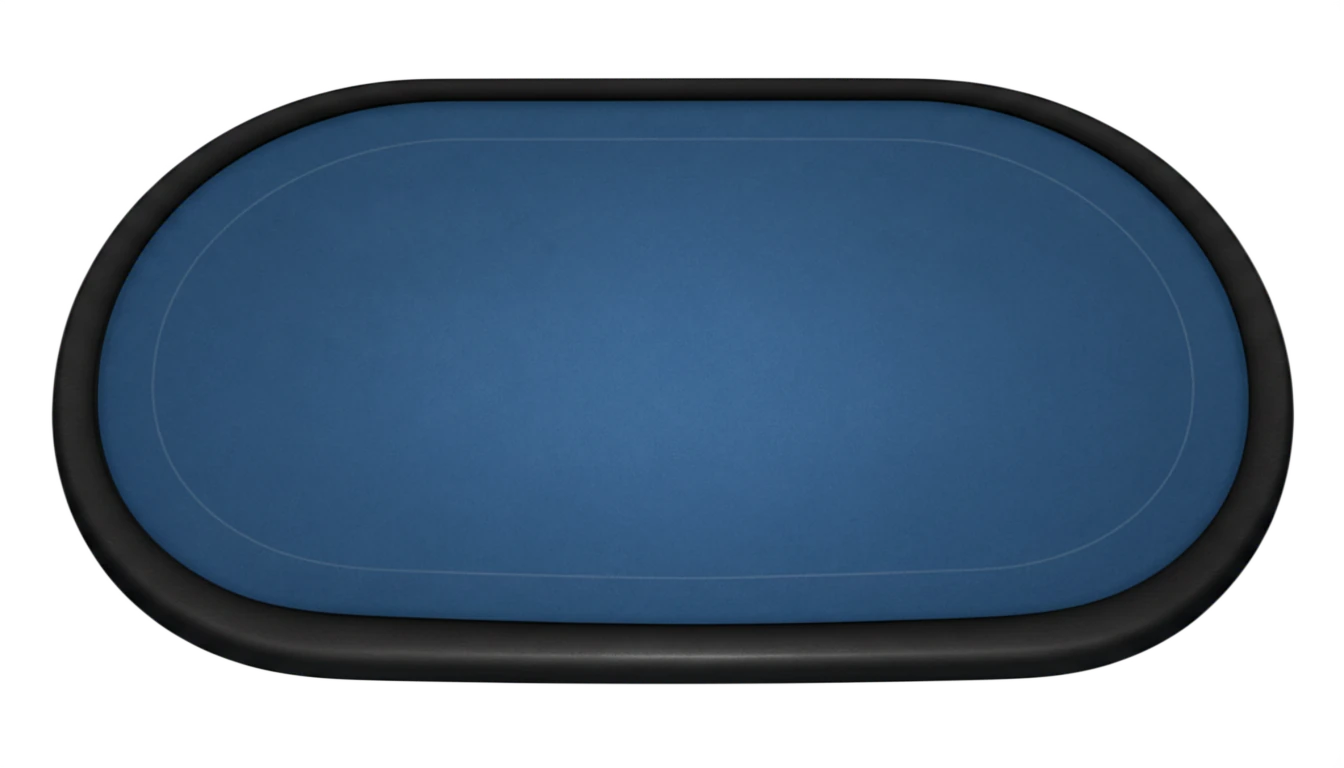

Heads-up is one-on-one play, with only two players at the table. It can be a two-seat table or the end of a tournament when two players remain.
The key rule: the button is the small blind
Two players means two positions. The player on the button posts the small blind, the opponent the big blind. Preflop the button acts first, and after the flop the big blind acts first, so the button acts last for the rest of the hand.
| Full table | Heads-up | |
|---|---|---|
| Small blind | The player left of the button | The button itself |
| First to act preflop | The player left of the big blind | The button, which is the small blind |
| First to act after the flop | The first active player left of the button | The big blind |
| Value of a medium hand | Lower: many opponents | Higher: one opponent |
How strategy changes
- Play many more hands. Heads-up, the button opens most hands.
- Medium hands gain value. A pair or even ace-high often wins at showdown.
- Aggression wins. You pay a blind every hand, and passive play bleeds chips fast.
- Study your opponent. You face one person, and their habits show within a few hands.
Heads-up with a friend
You can play one on one in the club too: the manager opens a private table for two with your game and blinds. More on positions and order of action in the dealer button.
FAQ
The player on the button.
Related terms
Dealer buttonThe disc marked D that marks the dealer and sets the order of action.BlindsThe small and big blind: forced bets posted before the cards are dealt.Flop, turn, riverThe three, fourth and fifth community cards and the betting rounds on them.KickerThe highest card outside the hand, which decides between equal hands.
Every poker term in one place
From check to satellite: short definitions and detailed explanations with card examples.