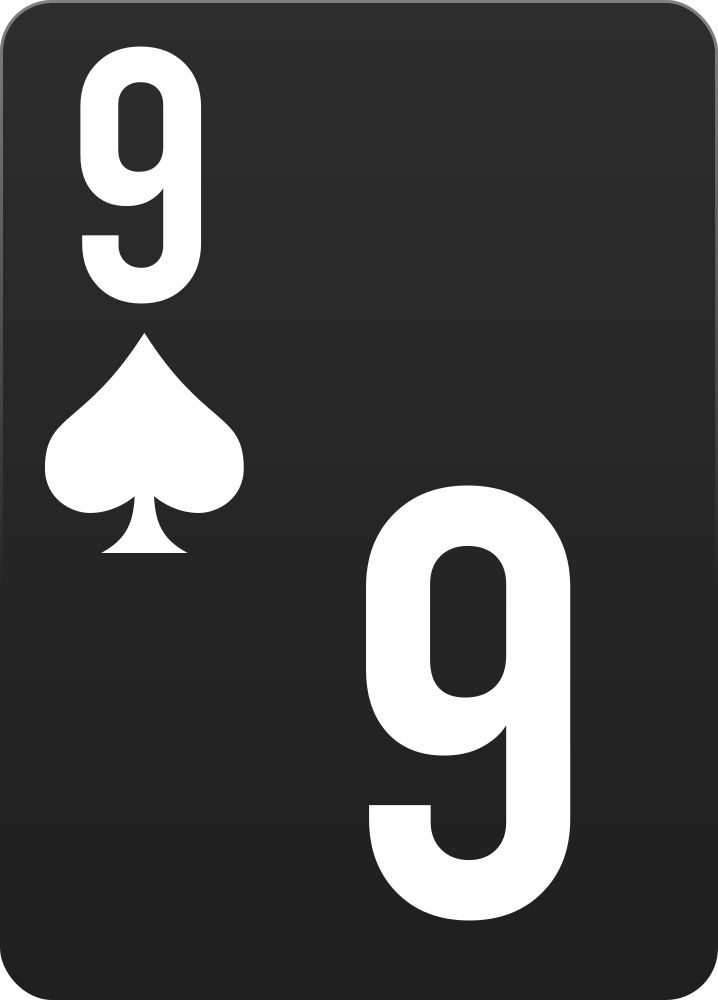
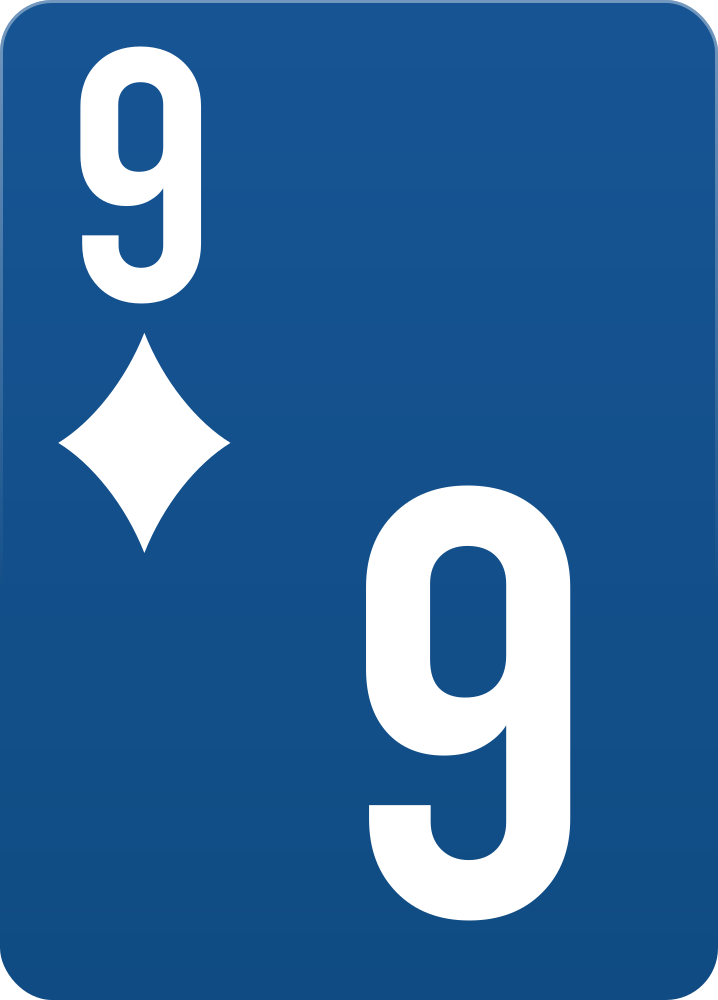
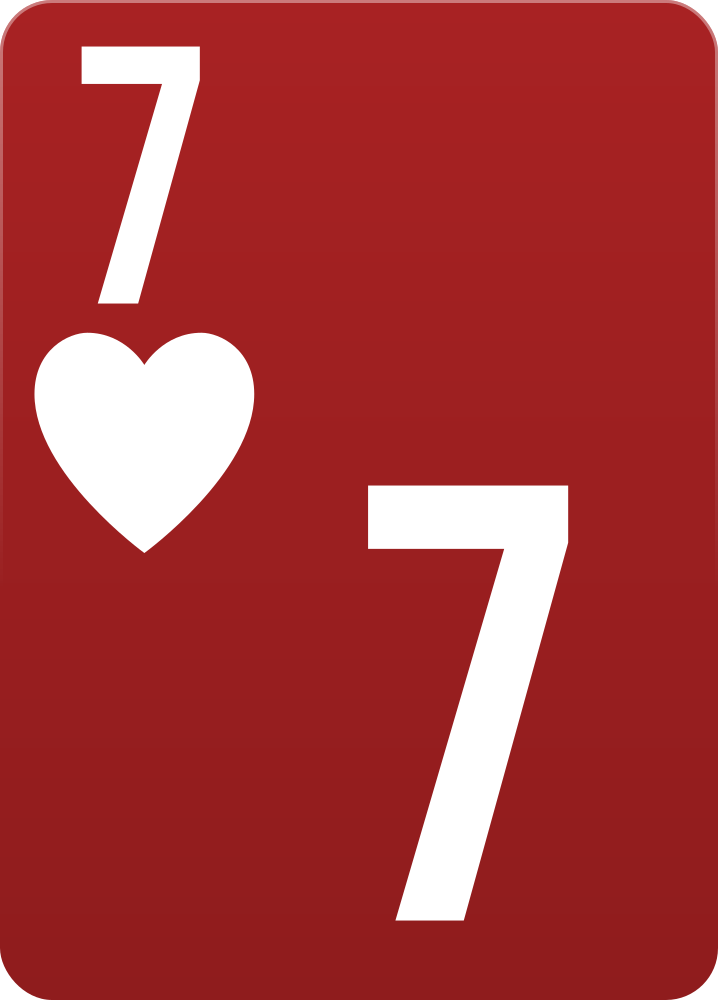


From what odds it is a bad beat
There is no strict line. A loss is usually called a bad beat when you had 75–80% or more. Losing with 55% is a coin flip, not a bad beat; losing with 95% is a bad beat in its purest form.
| Hand | Favourite’s odds | How often it loses |
|---|---|---|
| Set against a flush draw, all-in on the turn | 84% | 1 time in 6 |
| Aces against kings preflop | 81% | 1 time in 5 |
| Pair against two overcards preflop | about 55% | almost half — not a bad beat |
| Set over set, all-in on the flop | 96% | 1 time in 23 |
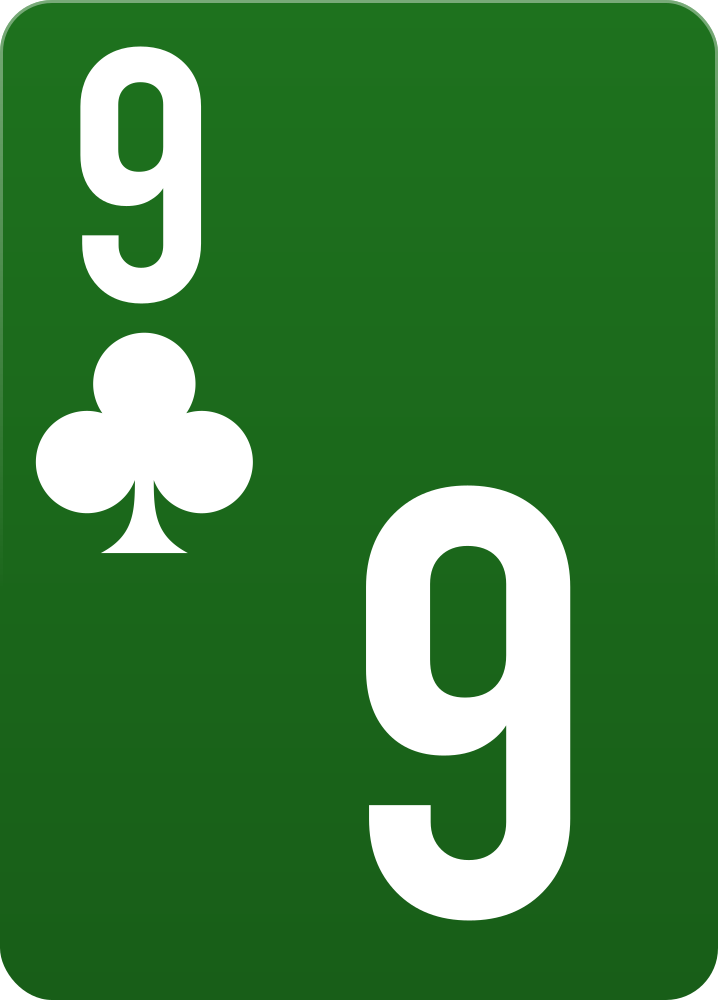
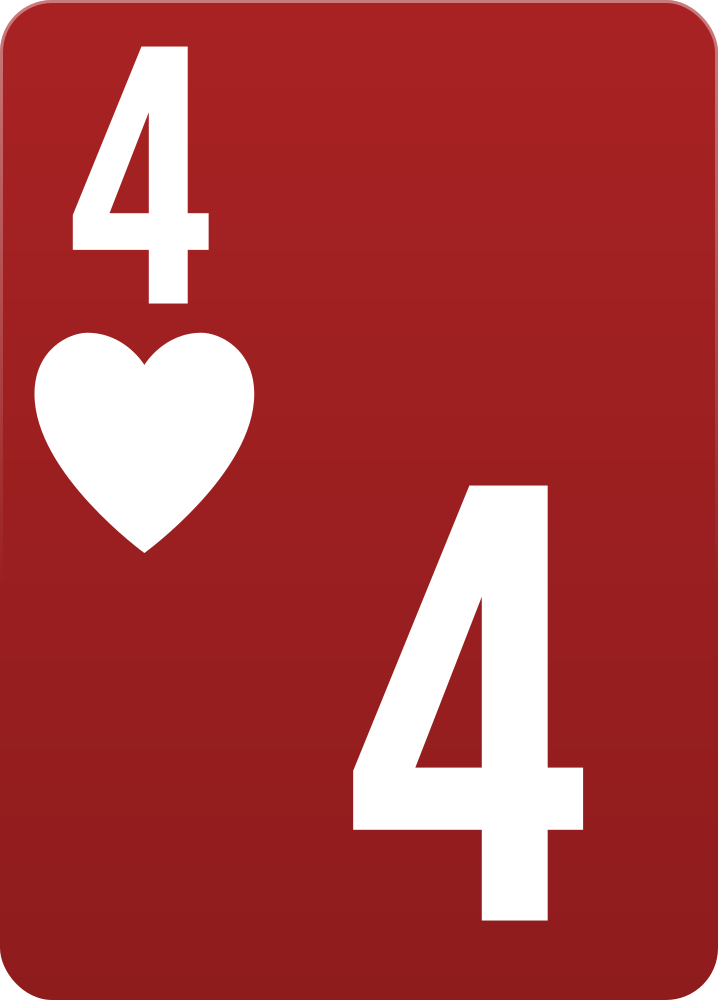
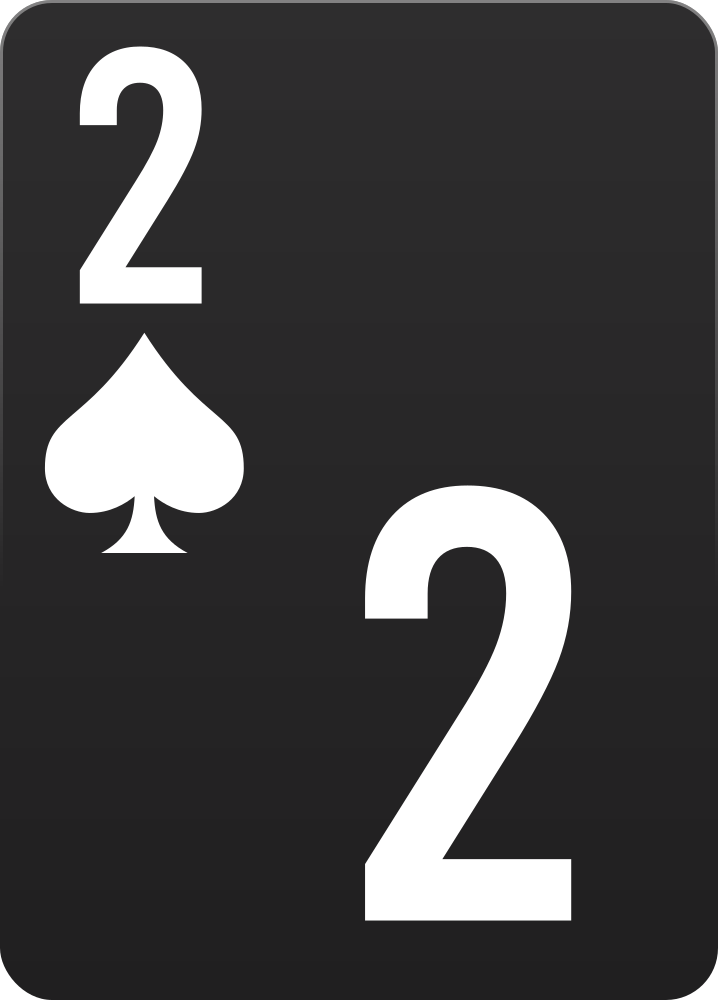
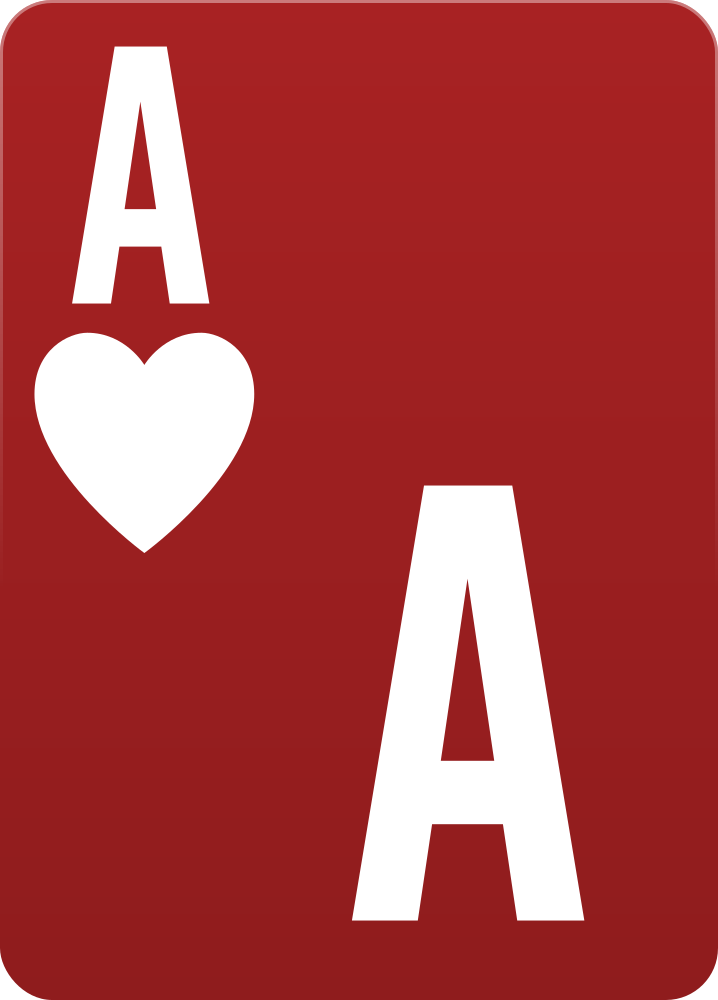
Why did the opponent win above? After the turn they have 7 outs: every remaining heart except the 9 (your quads) and the 2 (your full house). Out of 44 unseen cards that is 16%. How to count this is covered in outs.
Bad beat or cooler
- A bad beat: you were ahead and the opponent caught up. They took a risk and got lucky.
- A cooler: you were behind from the start but could not fold. The opponent won as the favourite.
In the long run bad beats work for you: every time an opponent goes all-in with 16%, they lose chips on average. One win does not make the decision good.
What a bad beat jackpot is
A bad beat jackpot is a separate prize fund paid to a player who loses with a very strong hand. It builds up from small contributions from pots, and the organiser sets the conditions. Usually:
- The losing hand must meet a minimum, such as quads or aces full.
- Both hole cards must play, and the hand must reach showdown.
- The loser gets the largest share, the winner a smaller one, and the rest is shared by the table.
The exact rules differ between clubs and rooms: the qualifying hand, the games it covers and how the fund is shared. Check them before you play.
How to handle a bad beat
- Judge the decision, not the result. If you went all-in as the favourite, you played correctly.
- Agree to run it twice. Run it twice does not change your expectation but lowers the swings: losing both boards is harder.
- Do not chase. Bad beats are the most common cause of tilt. Leave the table if you feel you are playing on emotion.
- Think long term. Bad beats are part of variance; over thousands of hands your wins against the same decisions balance them out.
FAQ
Related terms
From check to satellite: short definitions and detailed explanations with card examples.