Every player knows tilt, from beginners to pros. The difference is how quickly you notice it and what you do next. The good news: tilt can be managed, and it takes no special talent, just a few simple rules.

Kinds of tilt
| Kind | What happens |
|---|---|
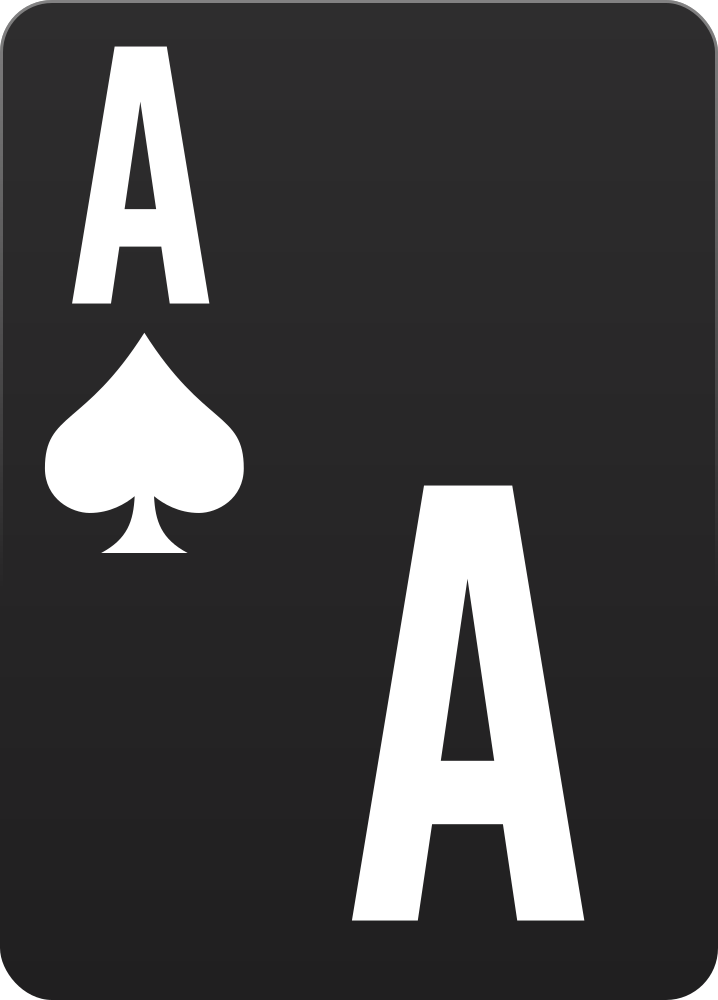
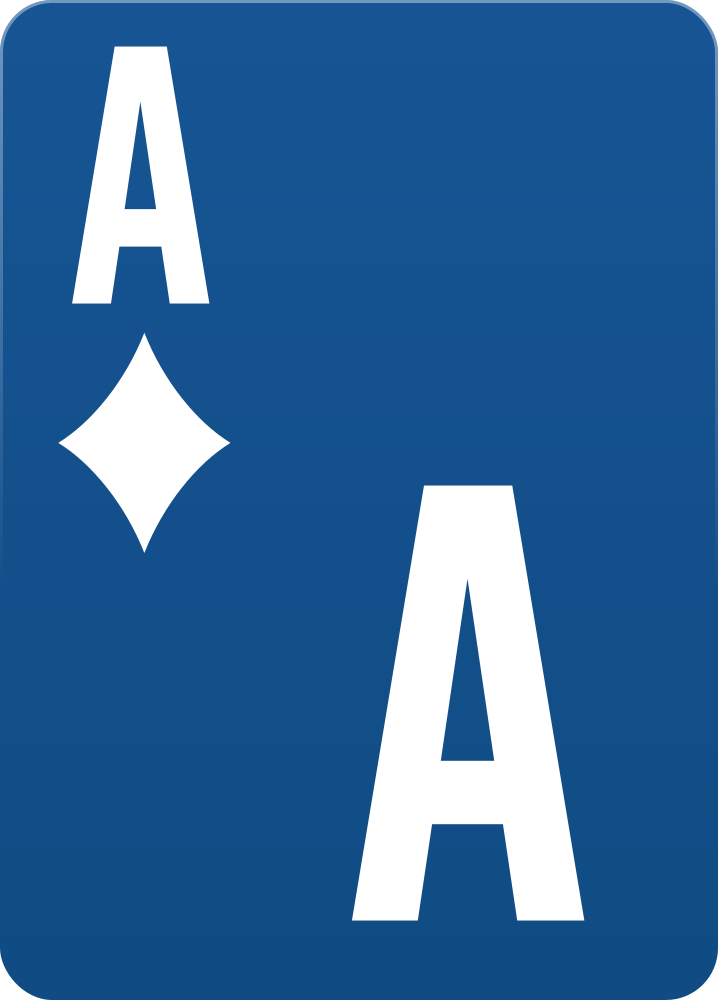
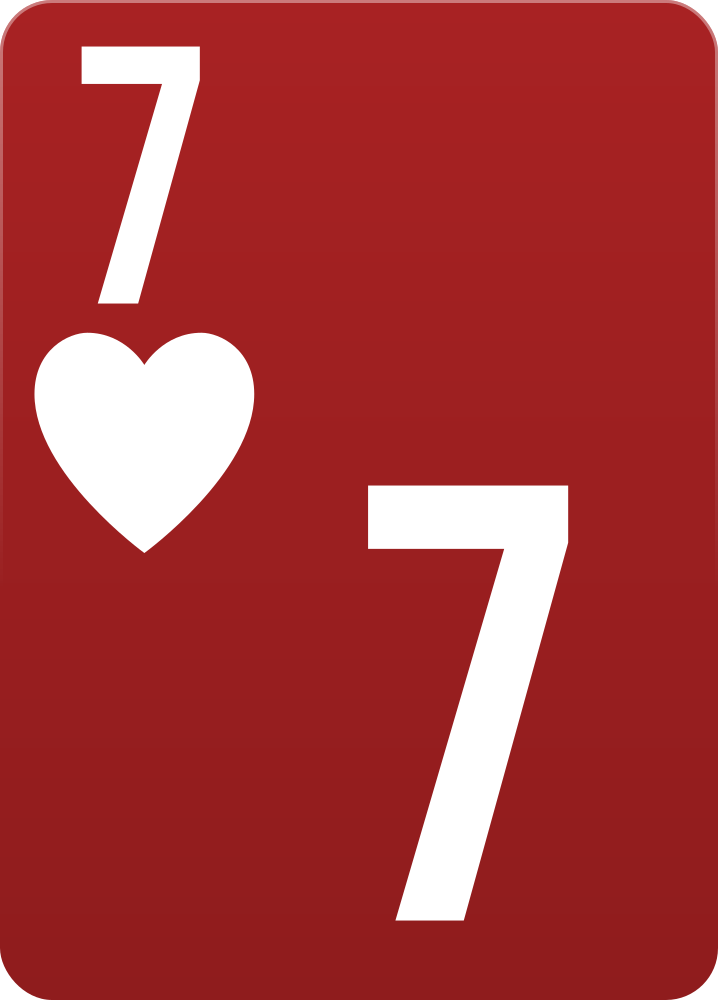
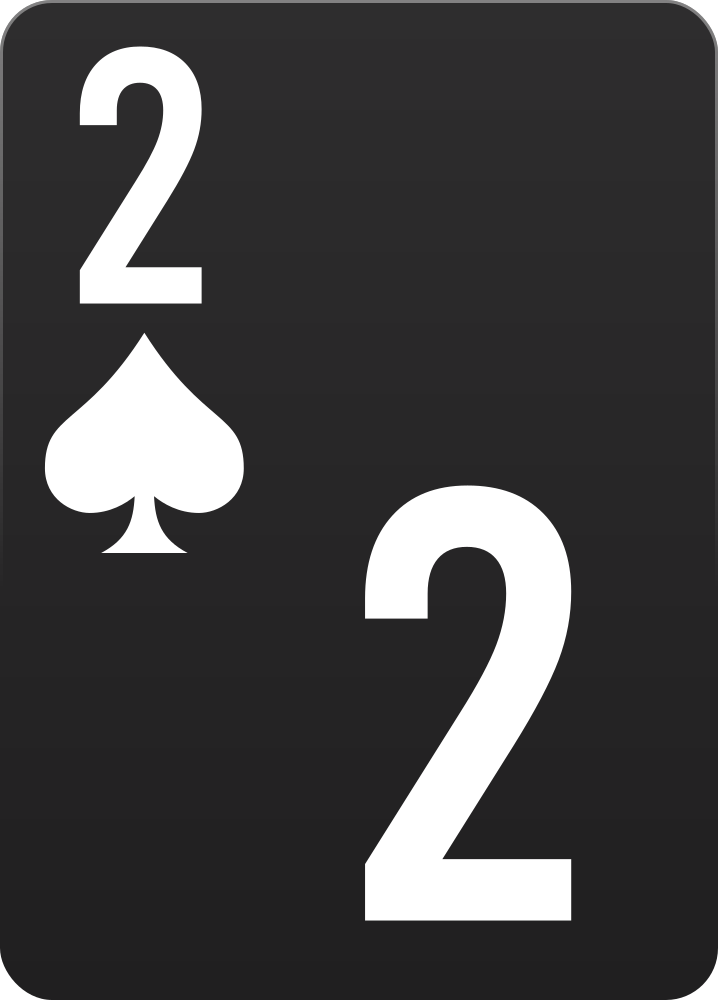
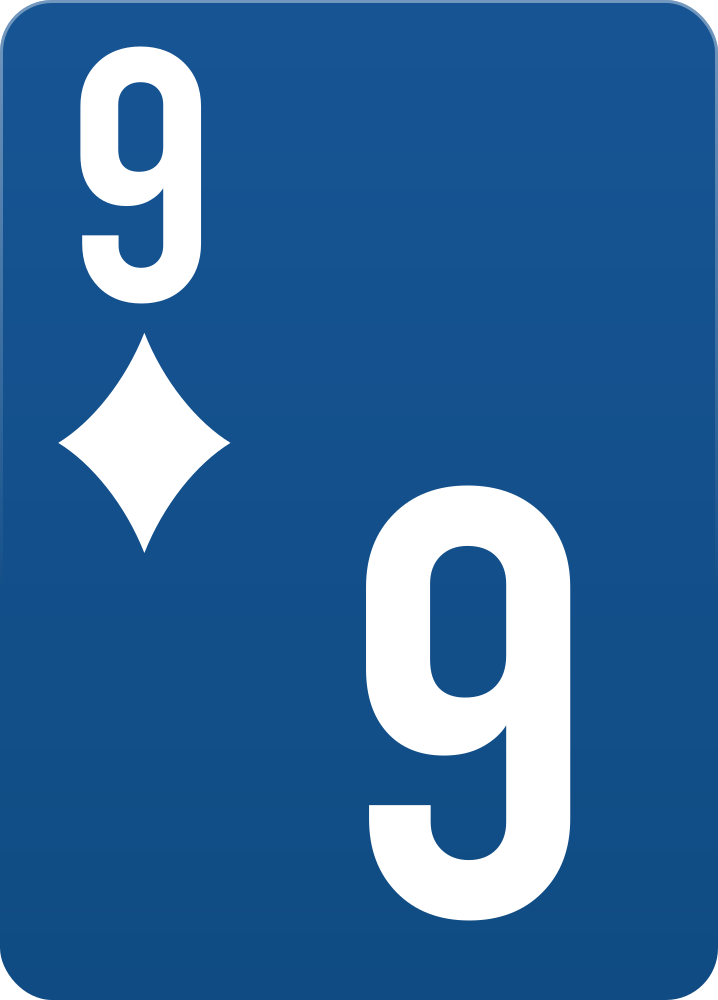
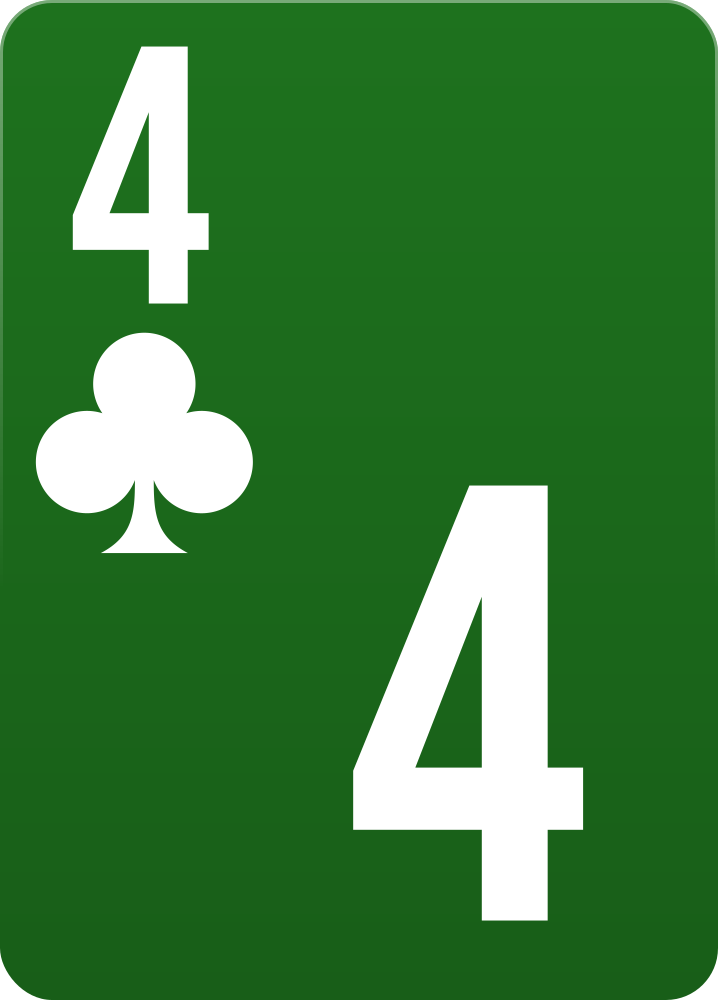
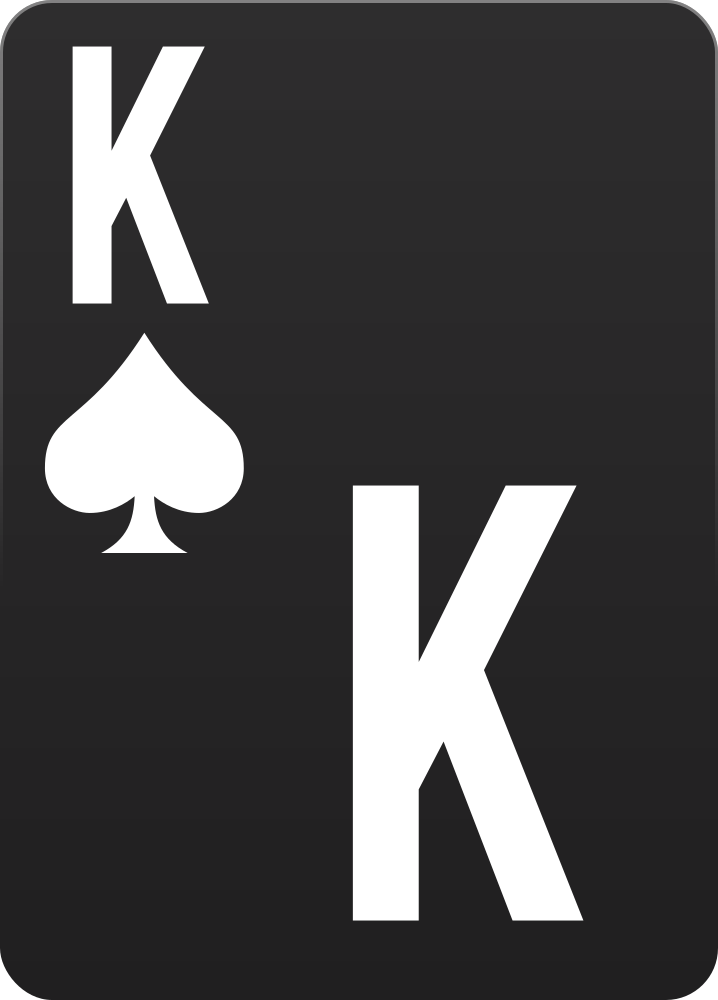
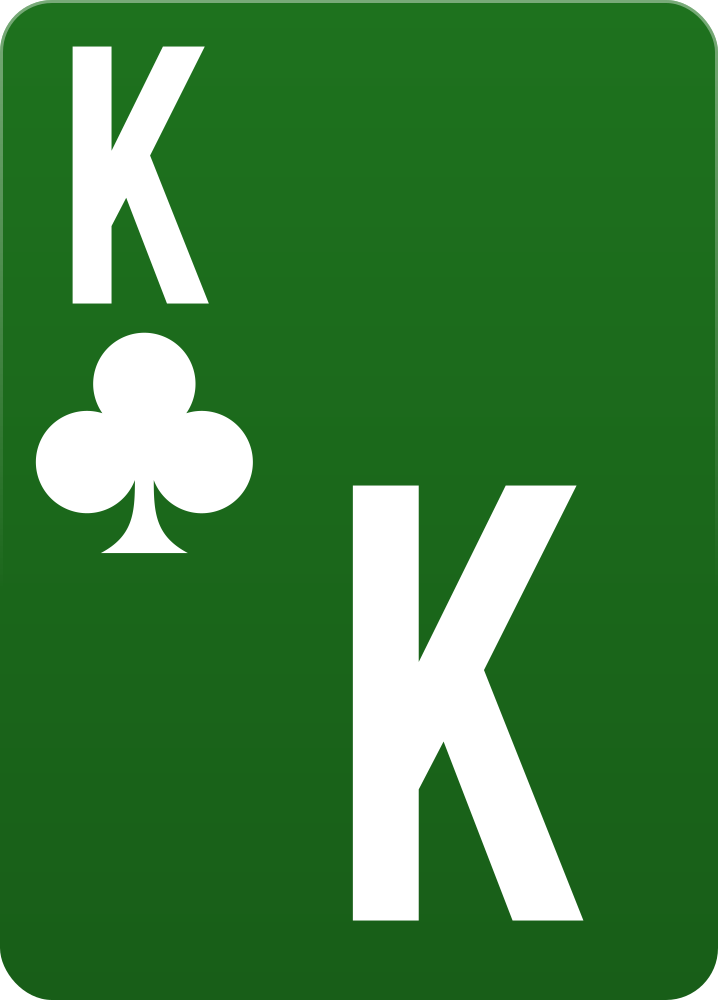
| After a bad beat | You lost a big pot with the better hand, like in the picture above, and play the next hands angry. |
| Chasing losses | You want it back fast: bets grow and hand selection gets worse. |
| “I am unlucky” | It feels like everyone gets cards but you. Decisions start to follow resentment, not the cards. |
| A long downswing | Several losing sessions in a row erode confidence: you either freeze up or gamble for no reason. |
| Winner’s tilt | After a big win everything feels possible and you sit down at higher stakes than usual. |
| Fatigue tilt | Long sessions, late nights, hunger — attention drops and mistakes pile up unnoticed. |
Am I tilting? A self-check
Answer honestly — it takes ten seconds. The more you tick, the more emotion is driving your decisions.
How to stop tilt at the table
- Step away. Sit out a few hands or take 10–15 minutes: water, fresh air, a few minutes off the phone.
- Lighten the load. Playing several tables? Keep one. Above your usual stakes? Move back down.
- Name the emotion. A simple “I am angry about that hand” brings control back: you notice the tilt instead of acting from it.
- Do not analyse the bad beat now. Review helps after the session; at the table it only feeds resentment.
- End the session if the break did not help. The chips can wait, and emotional decisions are usually costly.
How to prevent tilt
- Set session limits in advance: playing time and how many stacks you are willing to lose in an evening. Hit the limit — you stand up, no exceptions.
- Take breaks every 45–60 minutes, even when things go well.
- Do not play tired, hungry or after drinking. Those cause more mistakes than the cards do.
- Remember variance. Bad beats are part of poker: aces beat kings about 82% of the time, so they lose almost one time in five. That is maths, not bad luck.
- Note the hands that hurt and review them with a fresh mind: that turns resentment into experience.
Tilt in your opponents
A tilting player bluffs more, overrates their hands and calls too wide. Against them value-bet your strong hands and bluff less: they will pay anyway. And the key etiquette rule — do not comment on others’ play in chat or “teach” opponents: it only fuels tilt and makes the table unpleasant for everyone.
Poker as entertainment
The MOJO clubs play for chips, and poker should stay fun. If tilt keeps coming back session after session, take a few days off. Good play starts with a calm head — and knowing the terms and the odds makes bad beats easier to take.
FAQ
Side pots, the nuts, outs, kickers and dozens more — with examples on a real table.