Step 1. Rules and hand rankings
Start with Texas Hold’em: it is the most popular game, and nearly every book and trainer is about it. Each player gets two hole cards, five community cards come out, and the best five-card hand wins. The full walk-through is in the Hold’em rules.
Learn the hand rankings by heart, from the highest down:





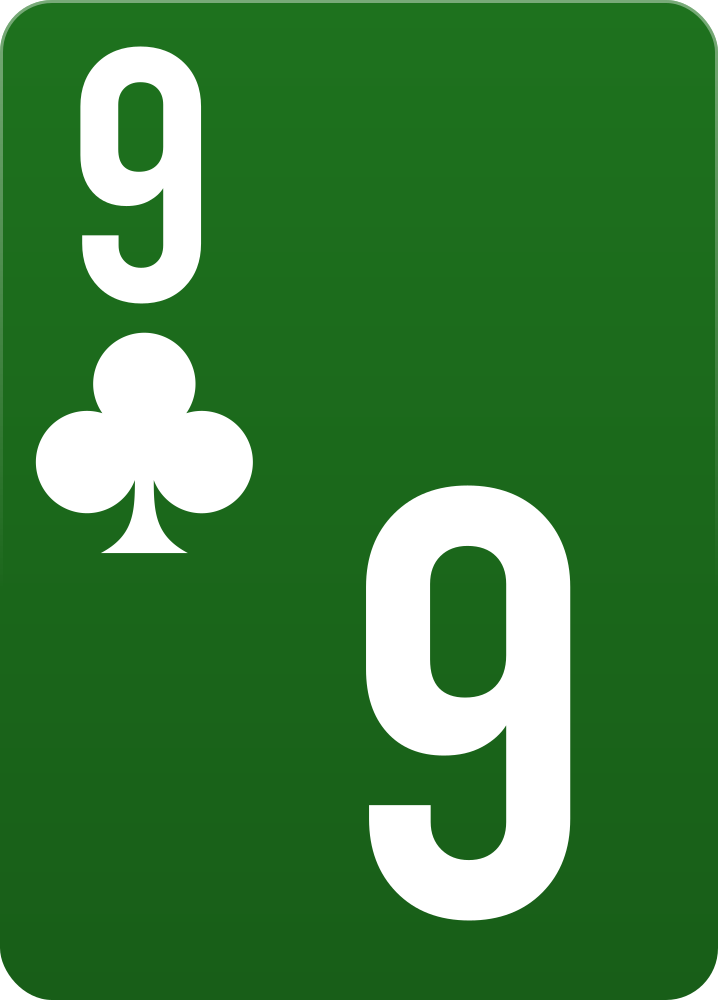
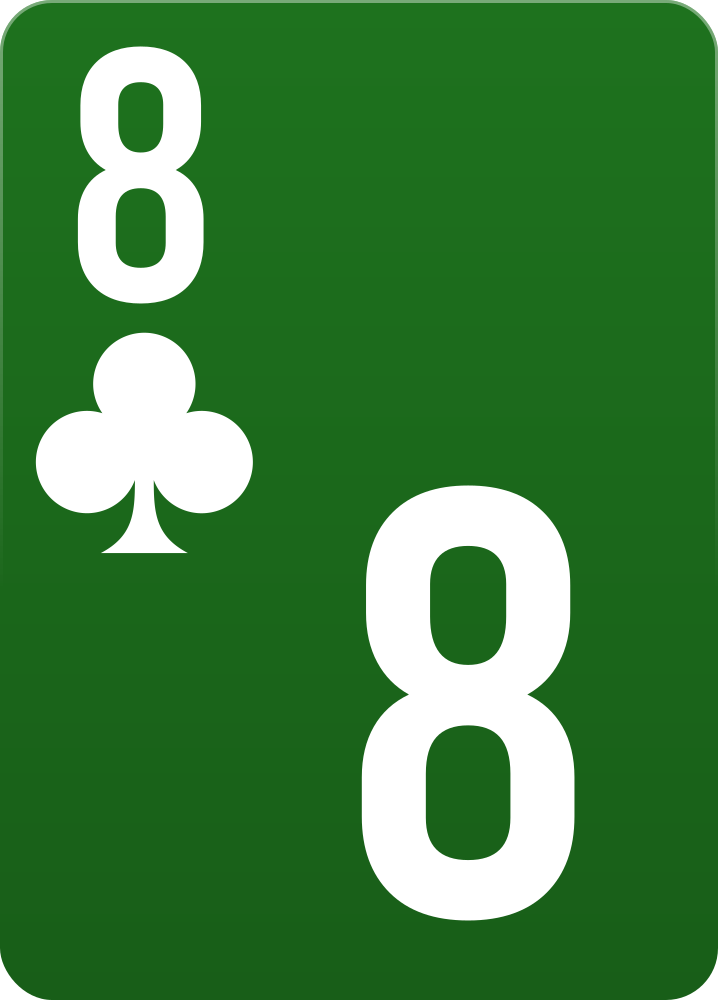
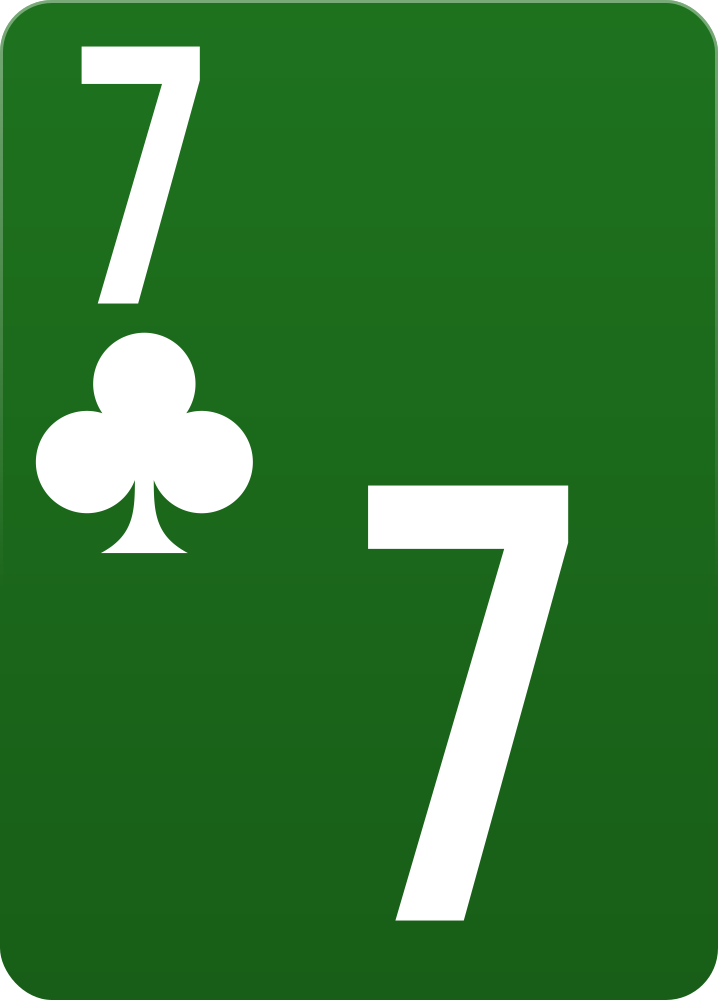
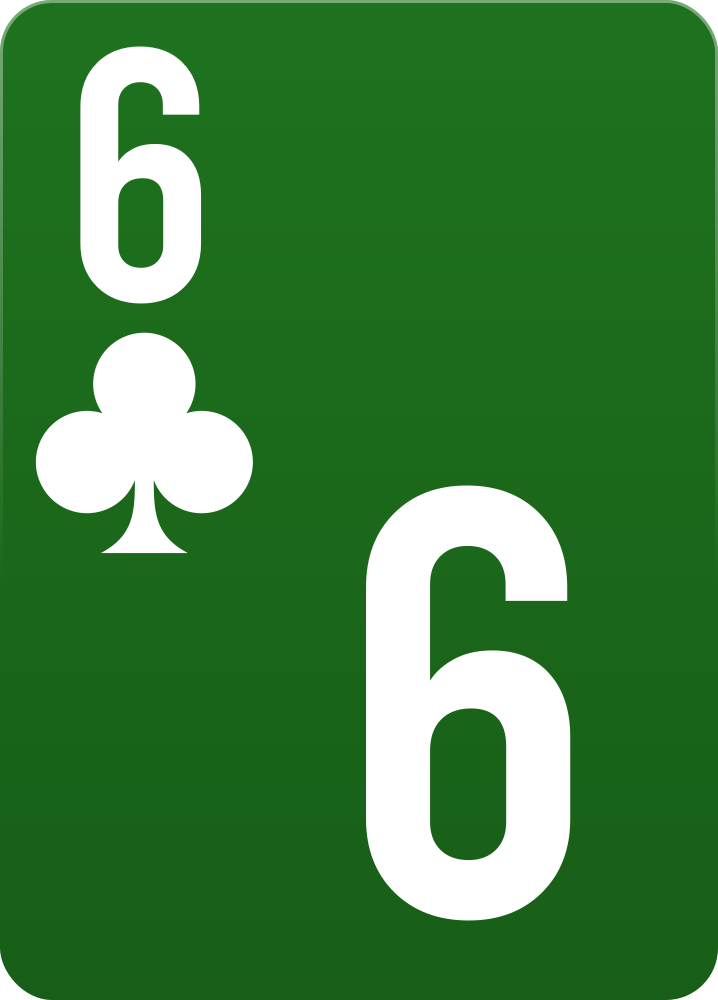
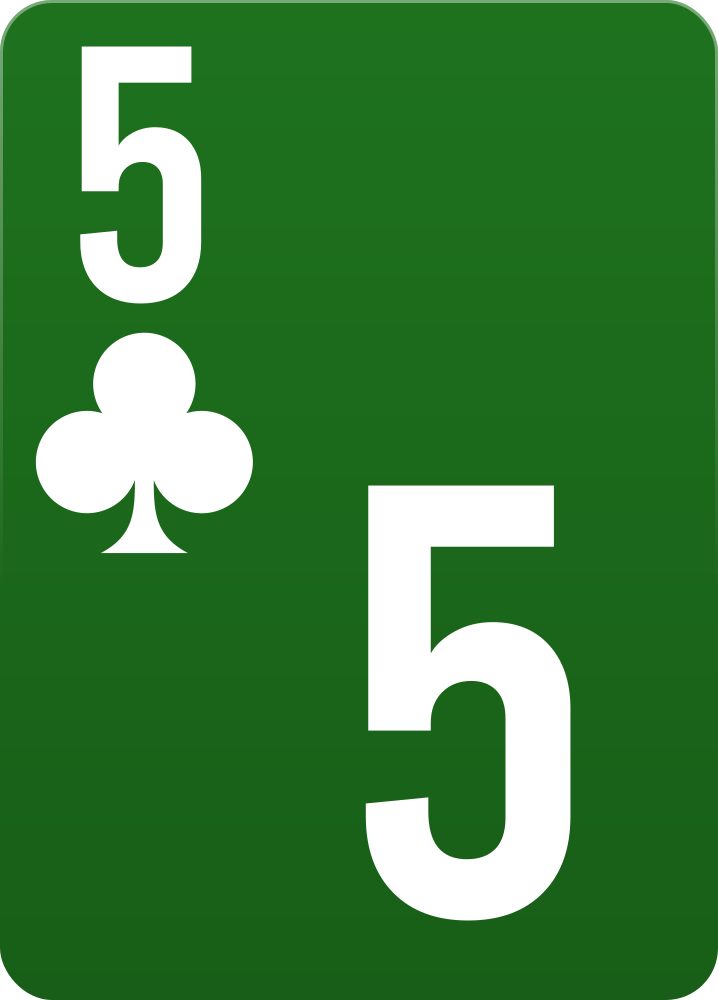


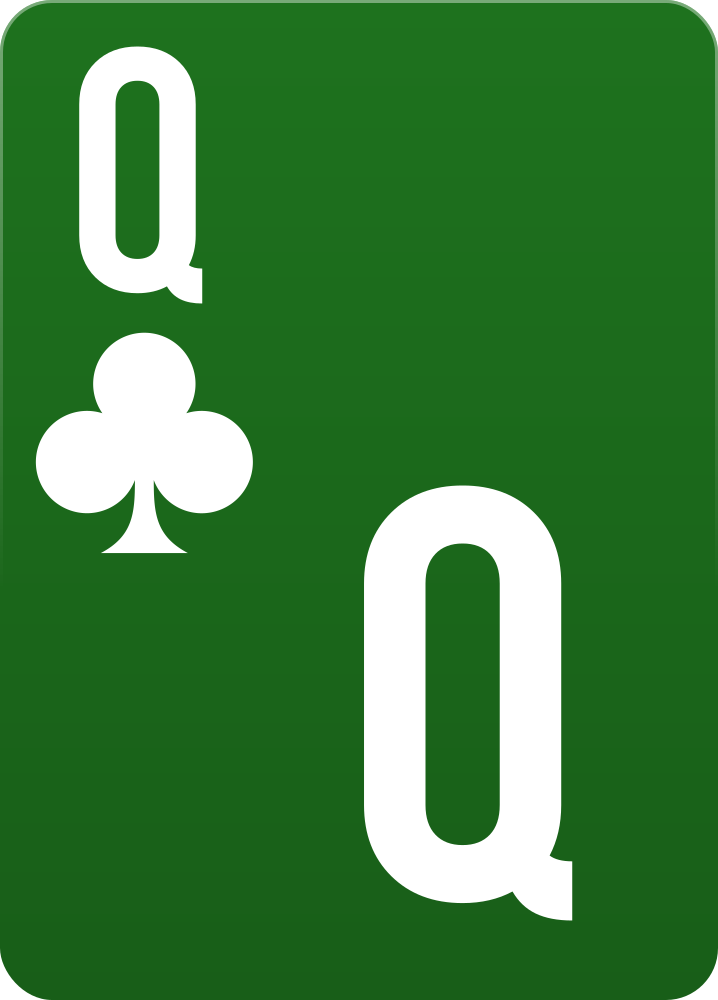
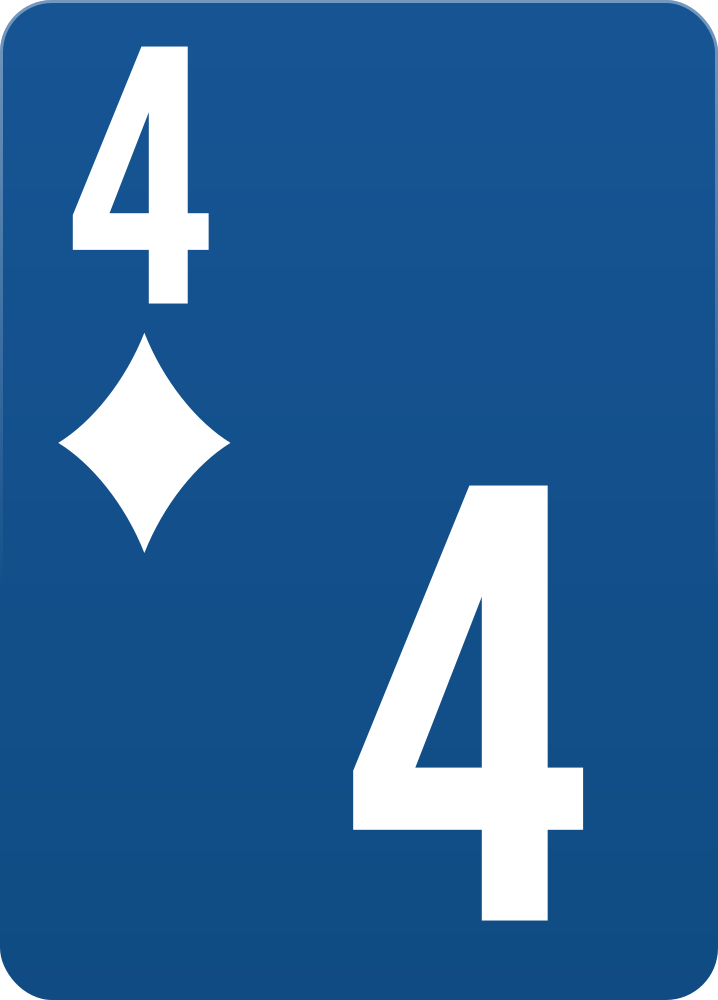


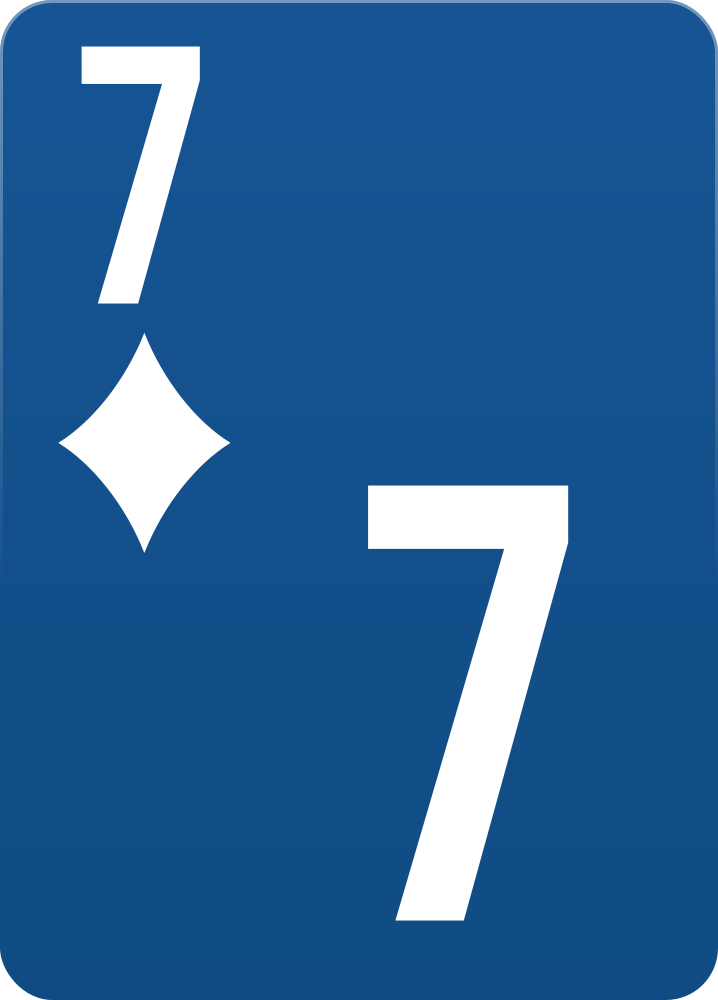


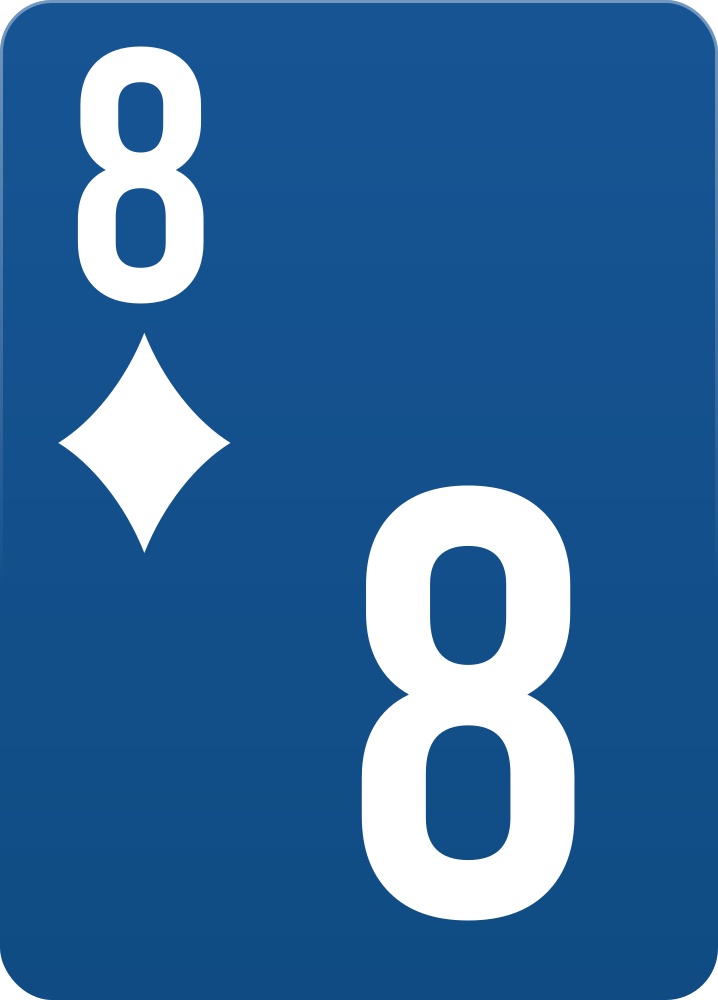
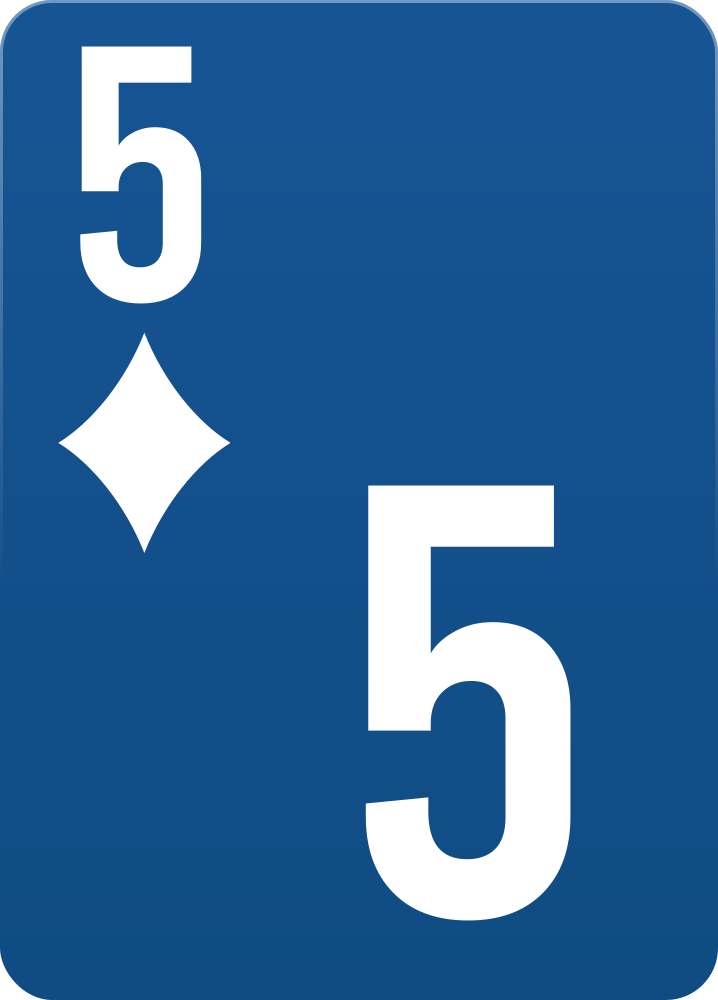
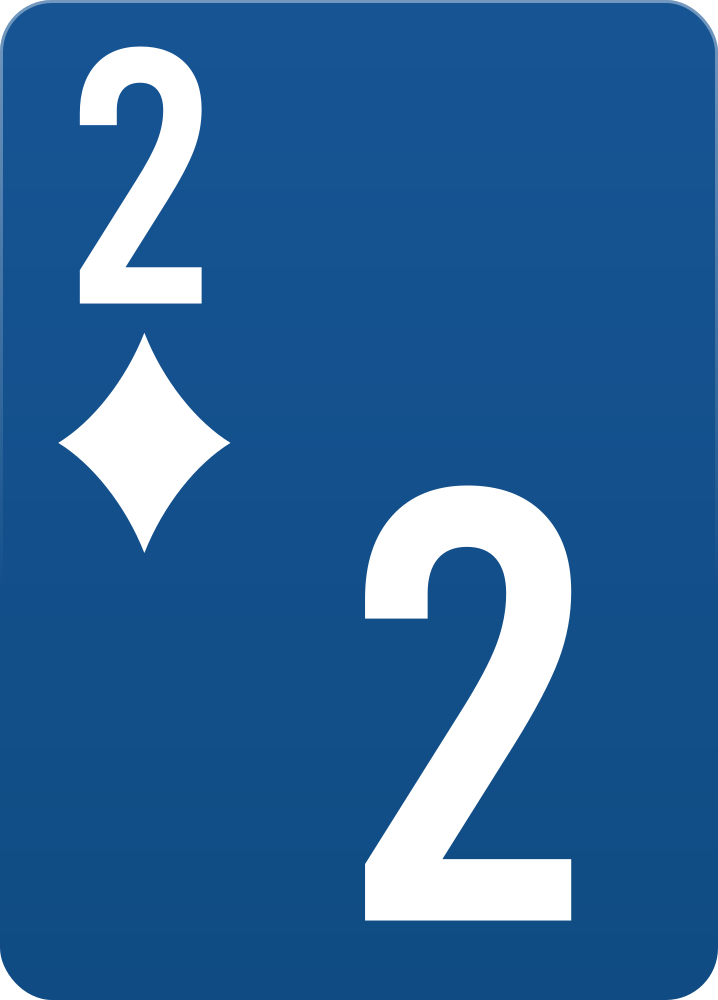


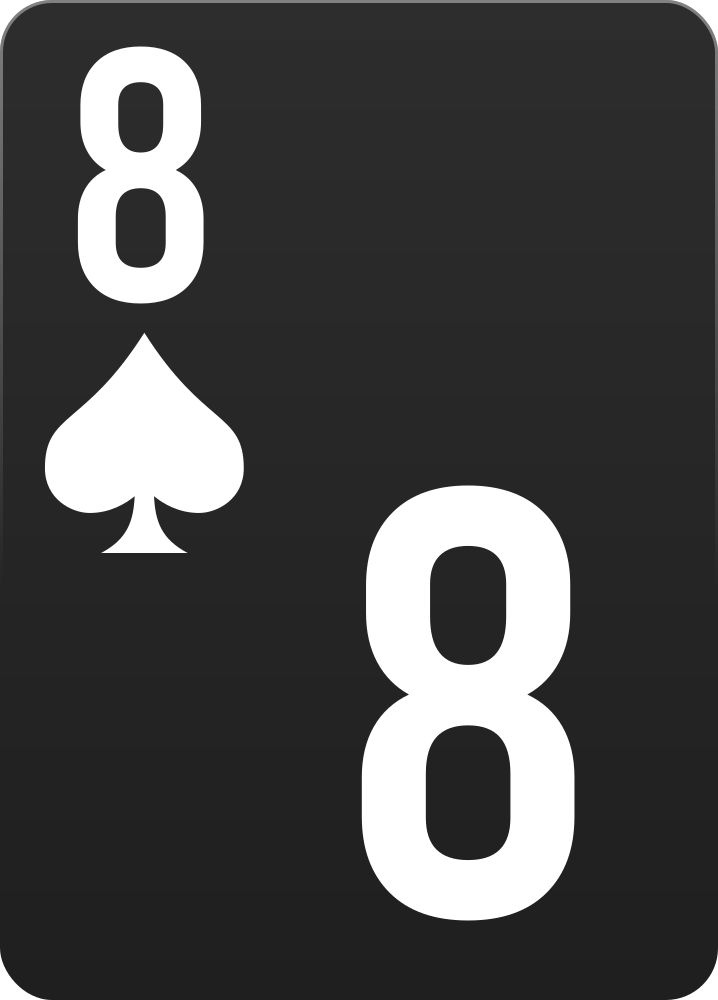
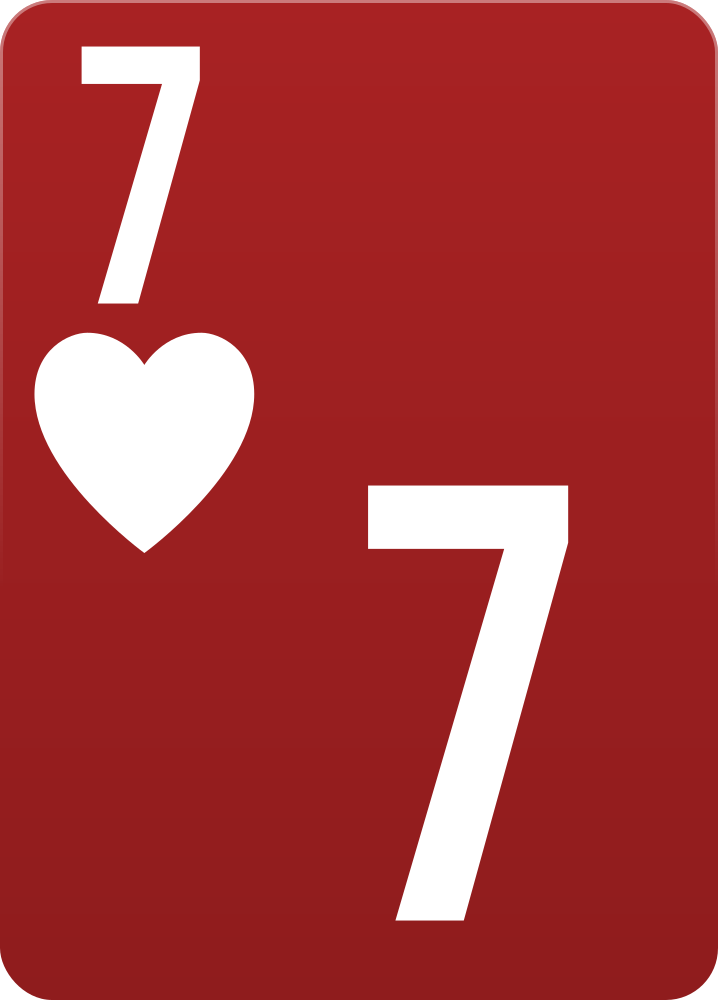
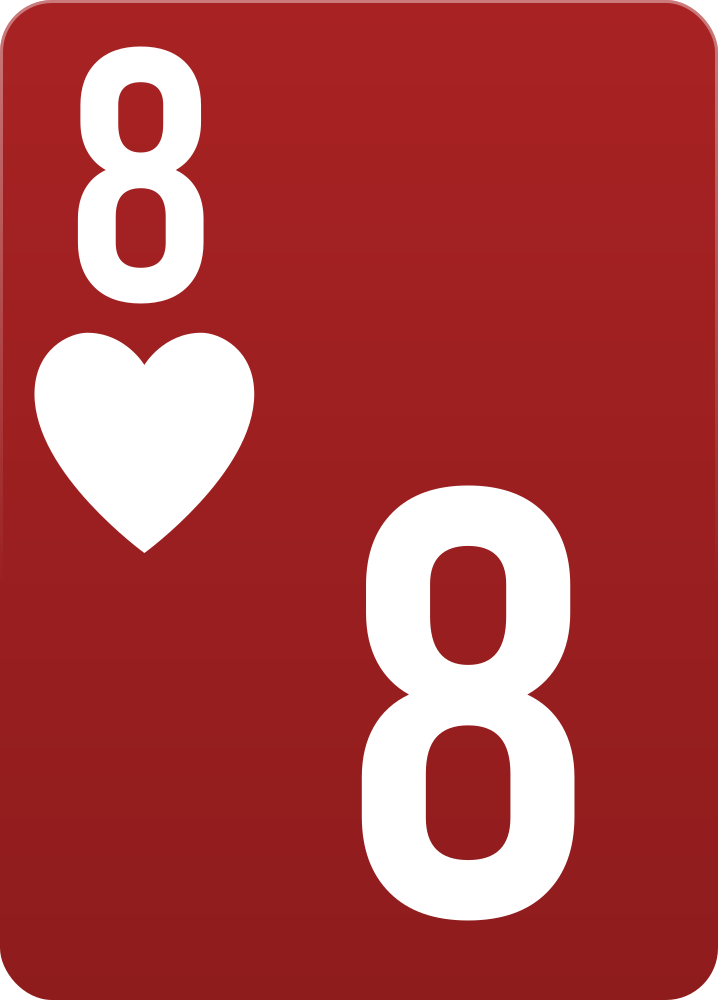

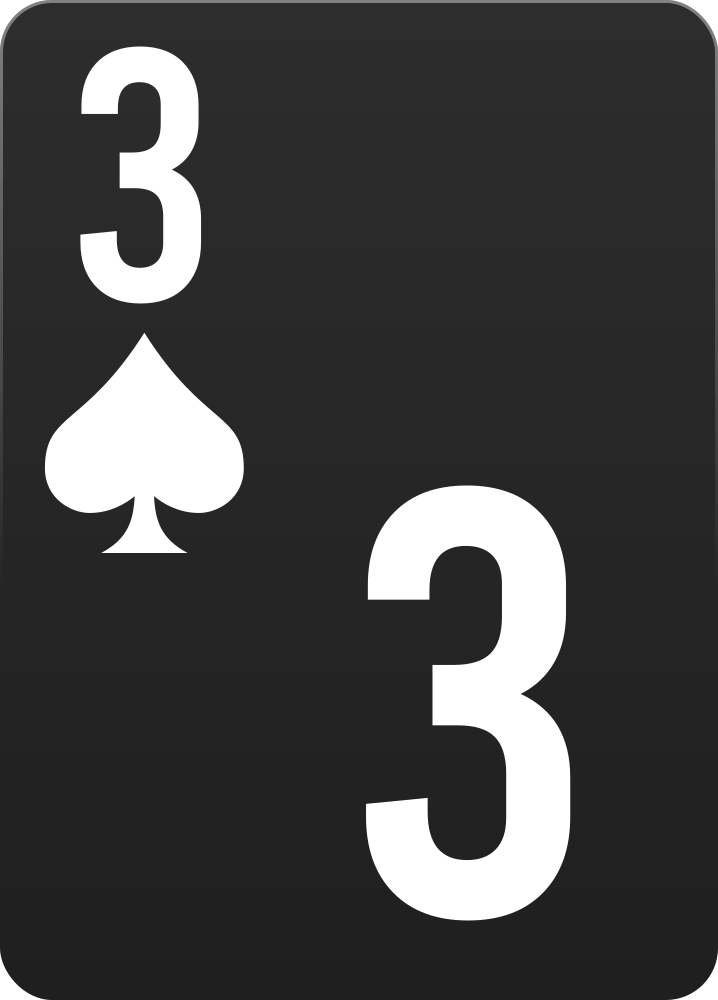

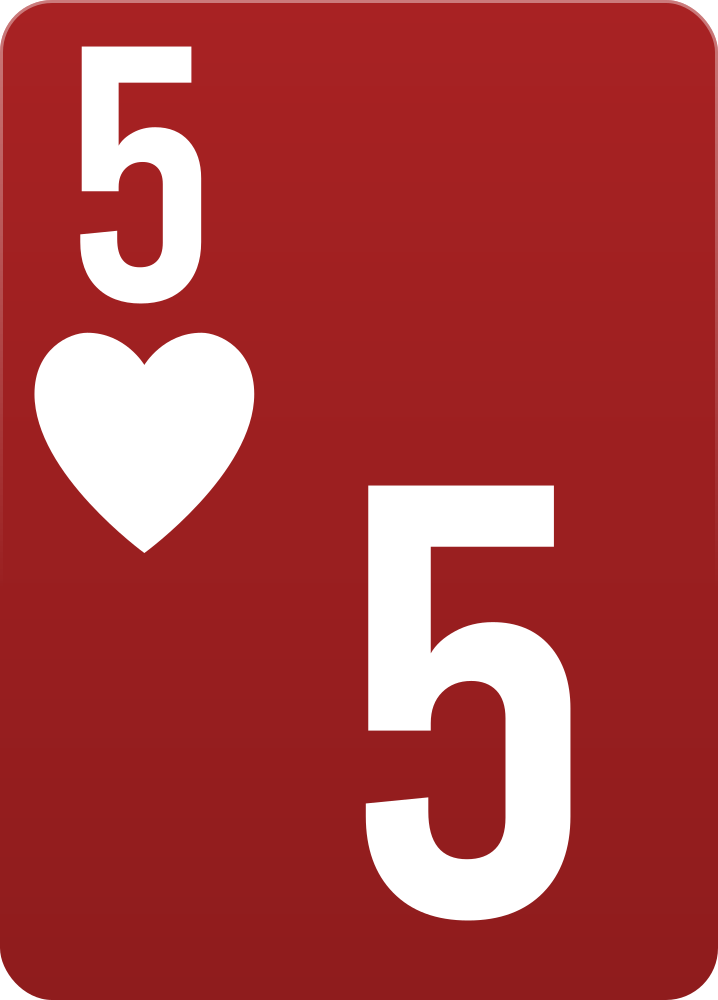
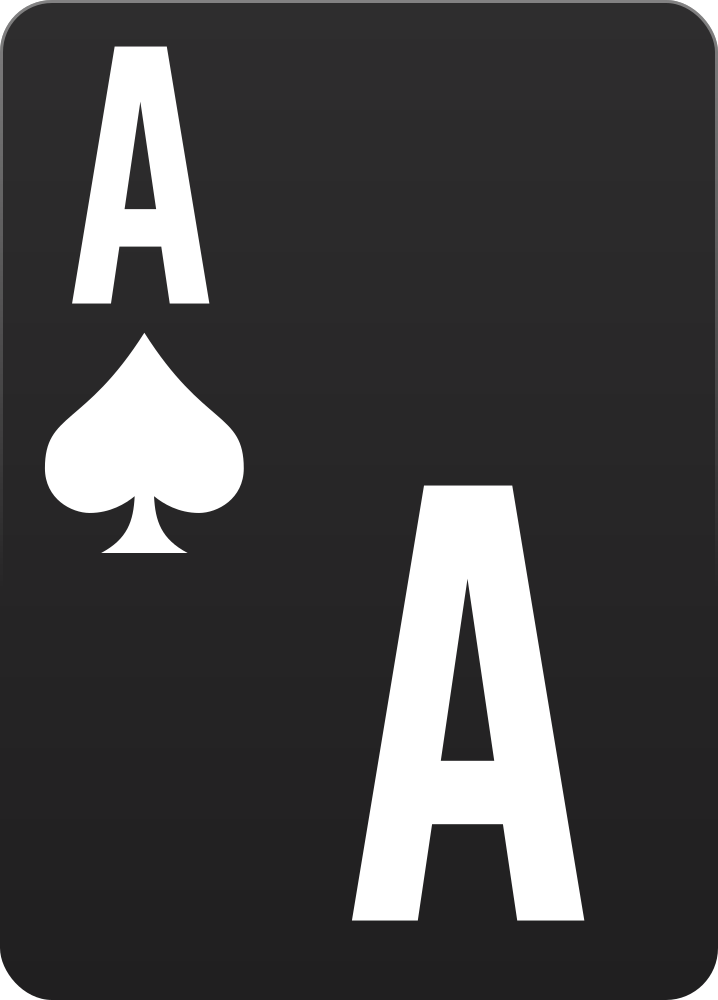
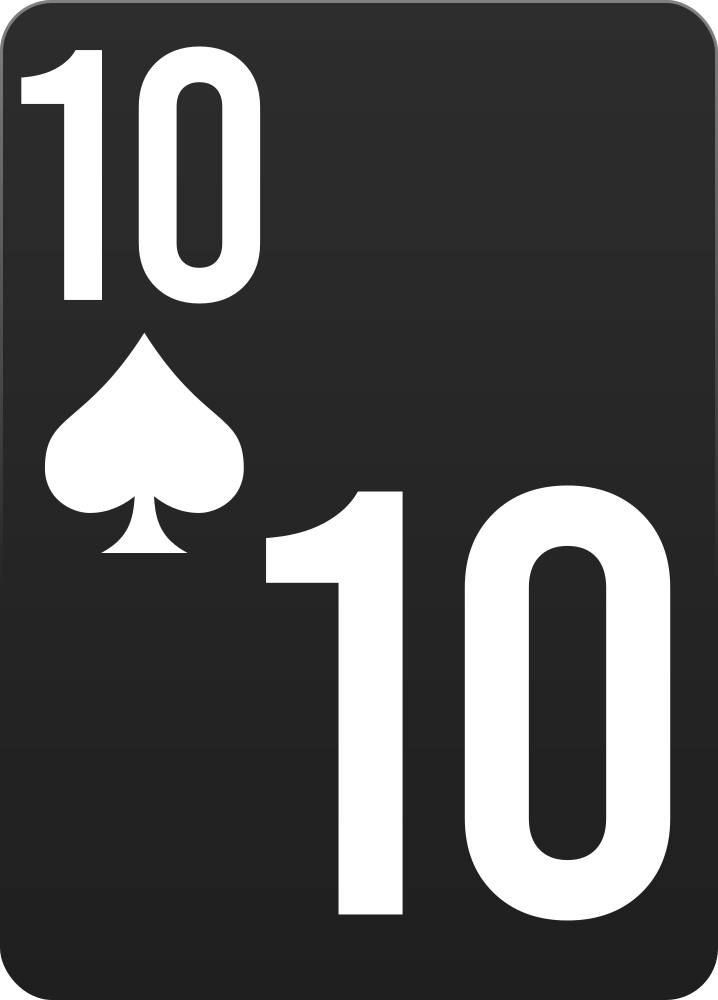
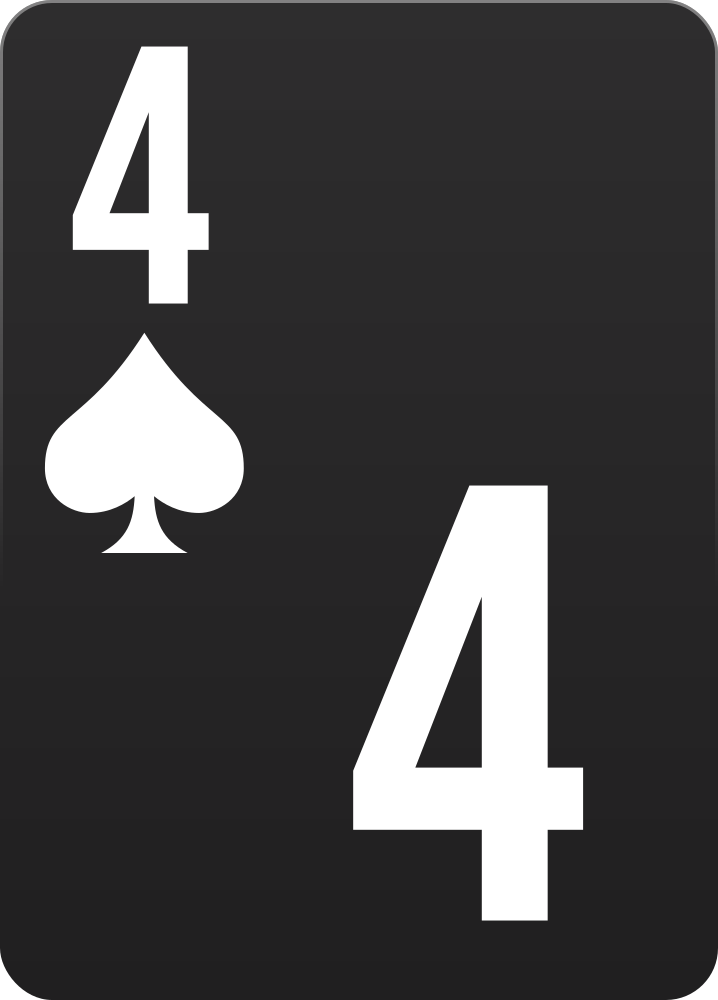
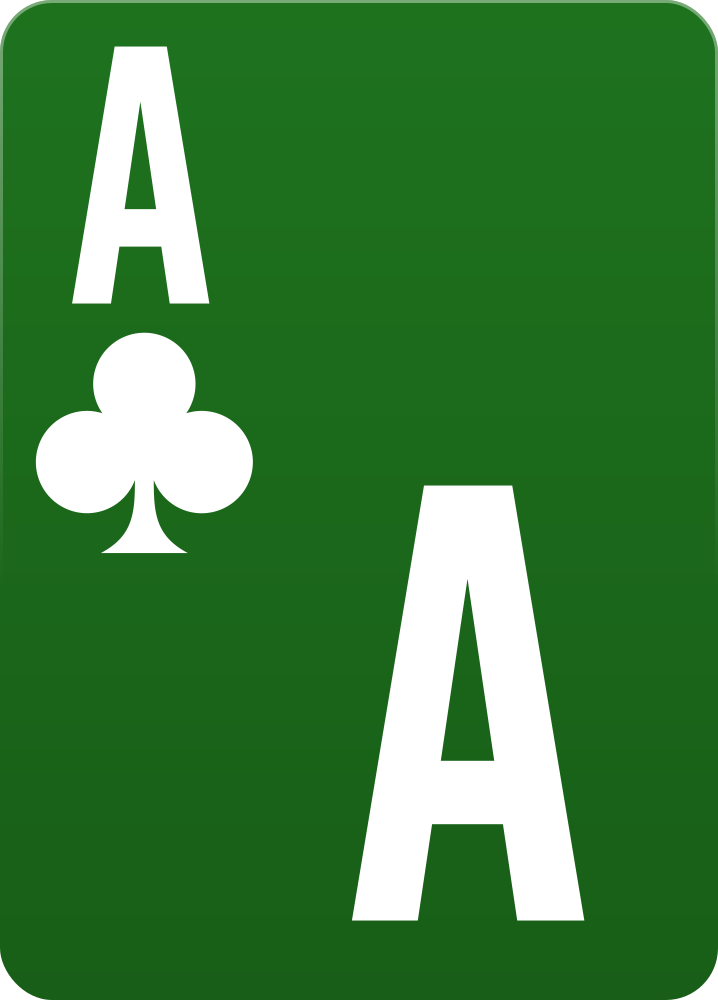
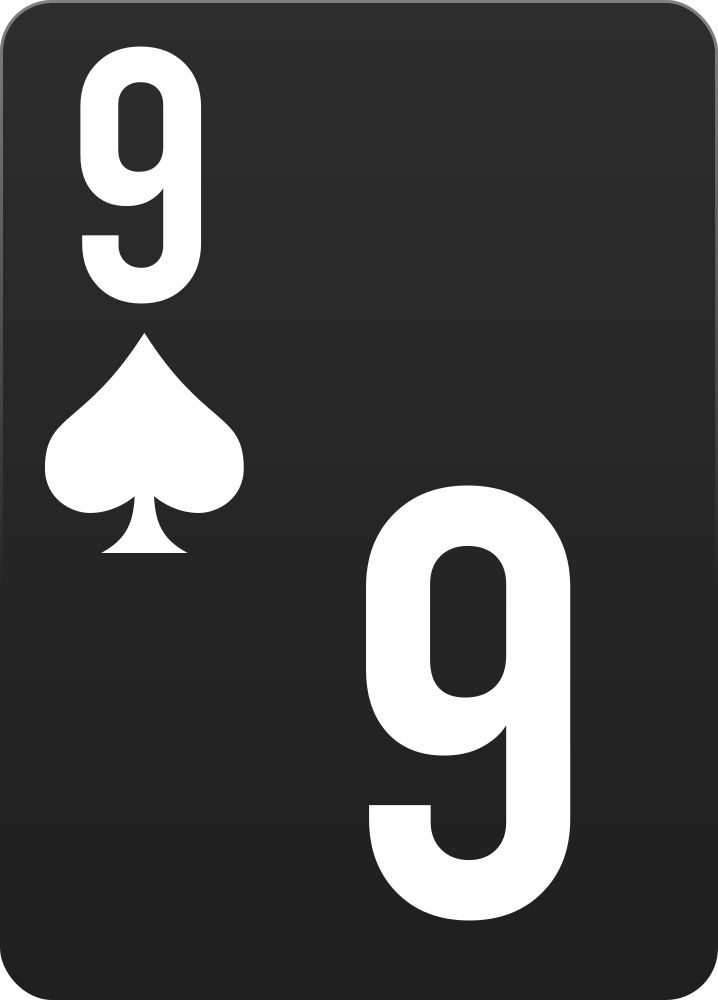
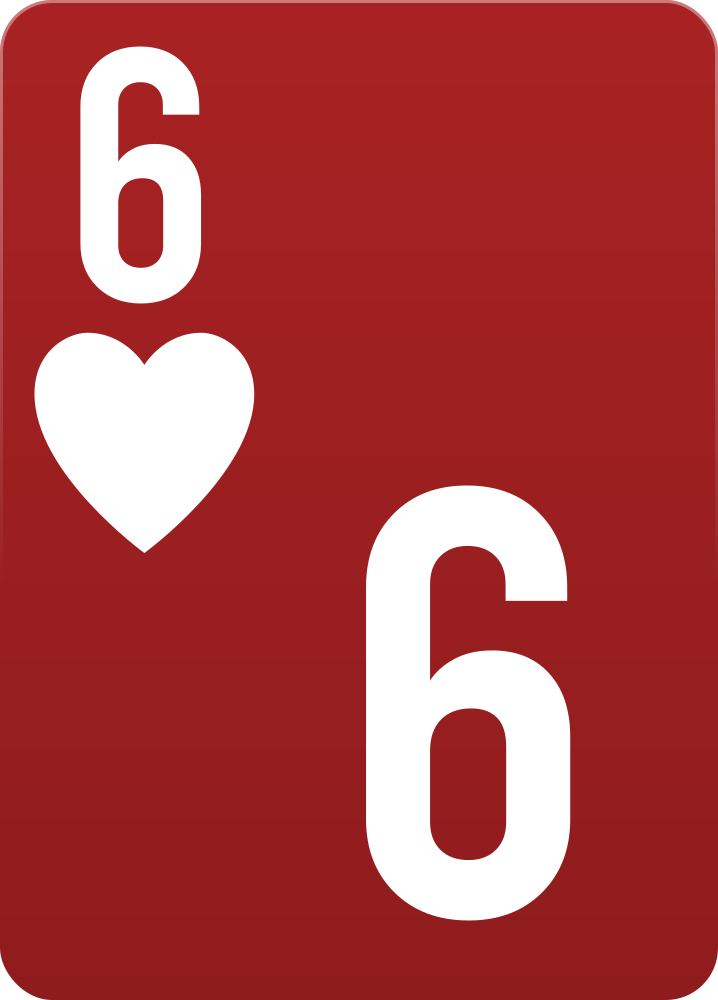
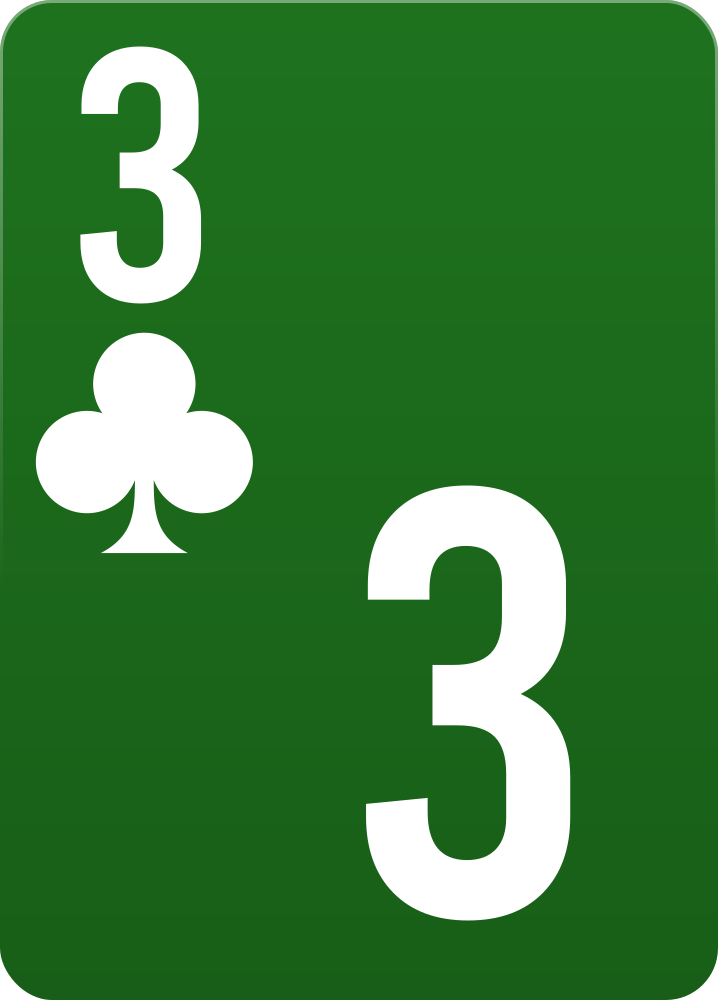
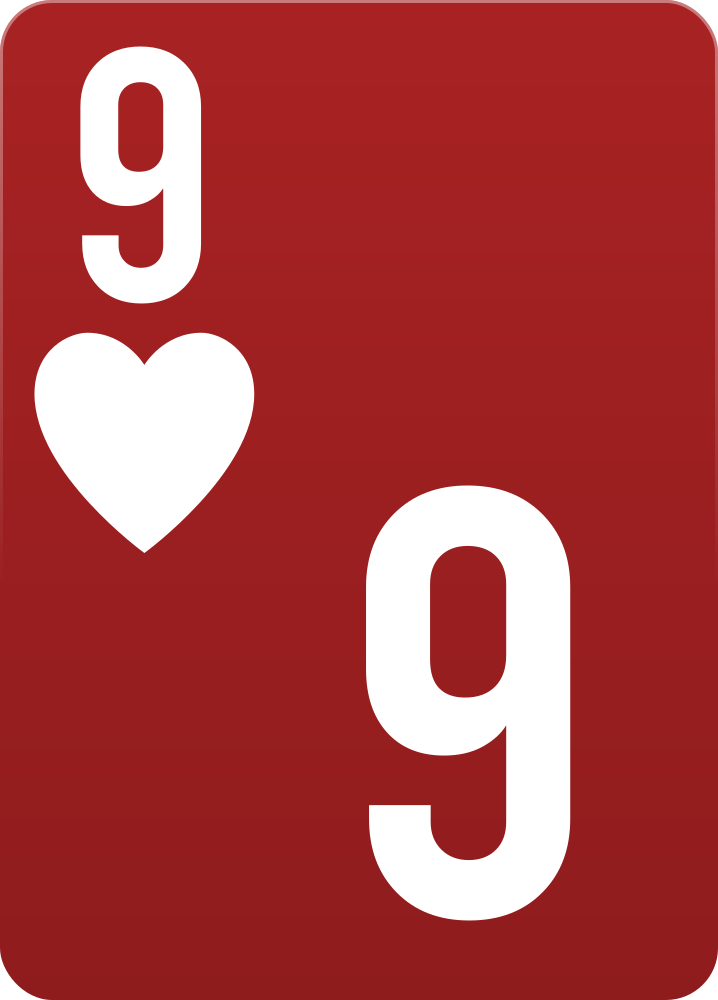
Test yourself now: pick the stronger hand. The trainer names both hands and highlights the cards that play.
Step 2. Betting and the order of action
Poker has five actions: check, bet, call, raise and fold. Action goes clockwise, starting left of the blinds preflop and left of the dealer button after the flop. A hand has four betting rounds: preflop, flop, turn and river.
Step 3. Position
Position is what separates a beginner from a player. The later you act, the more you know about your opponents, so you can play more hands from late position and only strong ones from early position. Tap a seat and switch the order of action:
Step 4. Which hands to play
The biggest beginner mistake is playing too many hands. A simple rule for a six-player table: enter the pot with a raise, not a call, and only with the hands in the table. Fold the rest.
| Position | Open-raise with |
|---|---|
| Early (UTG, HJ) | Pairs 77 and up, suited AJ and better, suited KQ, offsuit AQ and better |
| Cutoff (CO) | Pairs 55 and up, suited A9 and better, suited K10, Q10 and J10, offsuit A10 and KJ |
| Button (BTN) | Any pair, any suited ace, suited K9, Q9, J9, 10-9, 9-8, 8-7, plus offsuit A8, K10, Q10, J10 |
| Small blind (SB) | About the same as the cutoff: you are last before the big blind but act first after the flop |
This is a starting chart, not a law: it keeps you out of expensive mistakes while you learn. Once you understand why some hands are better than others, widen it.
Step 5. Odds, outs and equity
Poker is a game of decisions by the odds. To decide whether to pay for a draw, count your outs — the cards that improve your hand — and compare the chance of hitting with the price of the call. The rule of thumb: flop to river is about outs × 4, one card is outs × 2.
Review specific hands in the poker odds calculator: set the hands and the board, and it shows every player’s equity, the outs for the next card and whether a call pays.
Step 6. Practice
- At home with friends. Get chips and a deck and keep the stakes small. In a home game, move the dealer button and keep the order of action strict.
- Online at a private table. If your friends live in different cities, set up a private table in the club: one app on phone or computer, your own rules and only your crowd.
- Short sessions. An hour or so of focused play beats a night on autopilot. Write down the hands you were unsure about.
Step 7. Reviewing hands
The players who improve are the ones who review. After a session take 3–5 close hands and answer for each: what could the opponent hold, how much equity did I have, did I pick the right bet size. Check the numbers in the calculator and the hard spots in a solver.
How to learn for free
- Rules and terms are free on this site: games, the glossary and explanations with card examples.
- Calculators: the poker odds calculator, the outs calculator and the variance calculator.
- Books: the classics do not age. Start with our list by level.
- Trainers: many trainers and solvers have a limited free mode. More in solvers and trainers.
What to avoid
- Playing every hand. Patience is half of a beginner’s success.
- Chasing losses. After a big loss decisions get worse: that is tilt. Leave the table.
- Judging by results. A good decision can lose and a mistake can win; in the short run variance decides.
- Playing with everything. Keep a chip reserve of at least 20–30 buy-ins for your stake.